

Your matcha blog
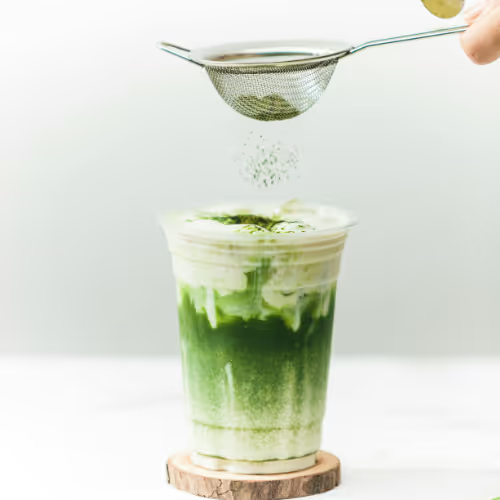 Matcha for Cafés: How to Add Matcha to Your Coffee Shop MenuEducationLeonardNovember 13, 2026Adding matcha to your café? Which drinks to list, which grade per drink, grams per cup, bar workflow, costing and how to choose a matcha supplier.
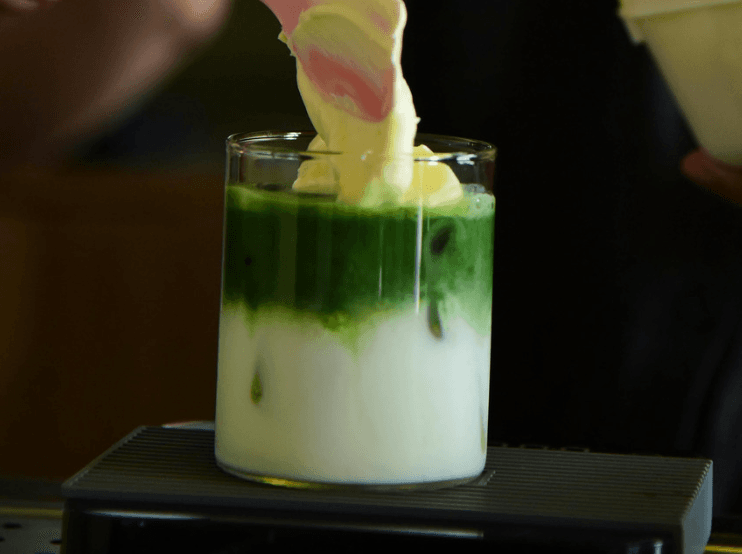 How to Make a Perfect Matcha Latte (Café-Quality)EducationJudithJune 29, 2026You've seen the photos. A vivid green matcha latte, perfectly layered in a glass, steamed milk curling alongside that electric color. It looks effortless. In practice, it's a drink that rewards good...
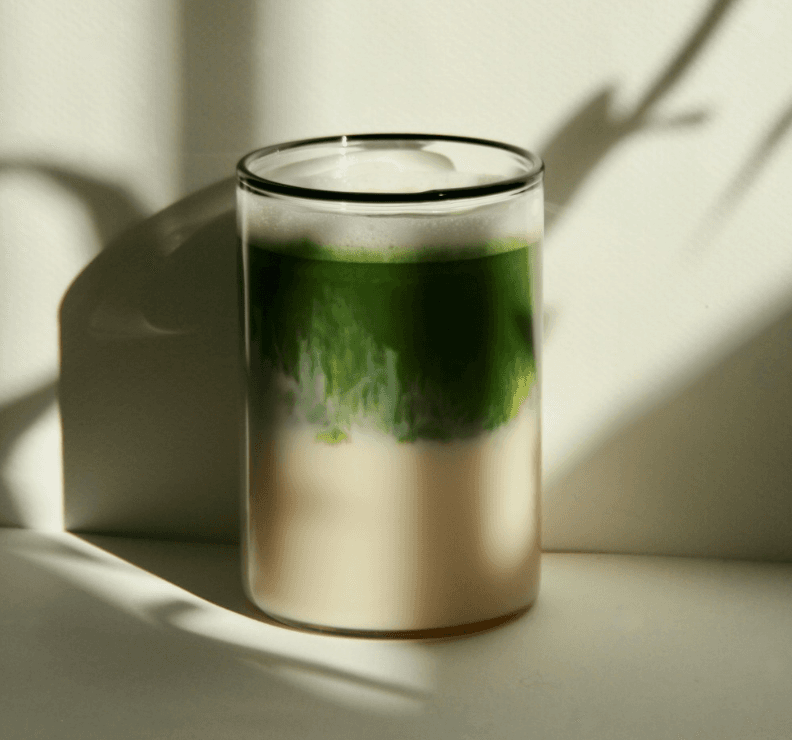 Best Matcha Powder for Lattes — Tested & RankedEducationJudithJune 2, 2026If you run a café or develop beverages for a food brand, you've probably already learned that not every matcha powder performs the same way in a latte. Some powders produce a stunning vivid green....
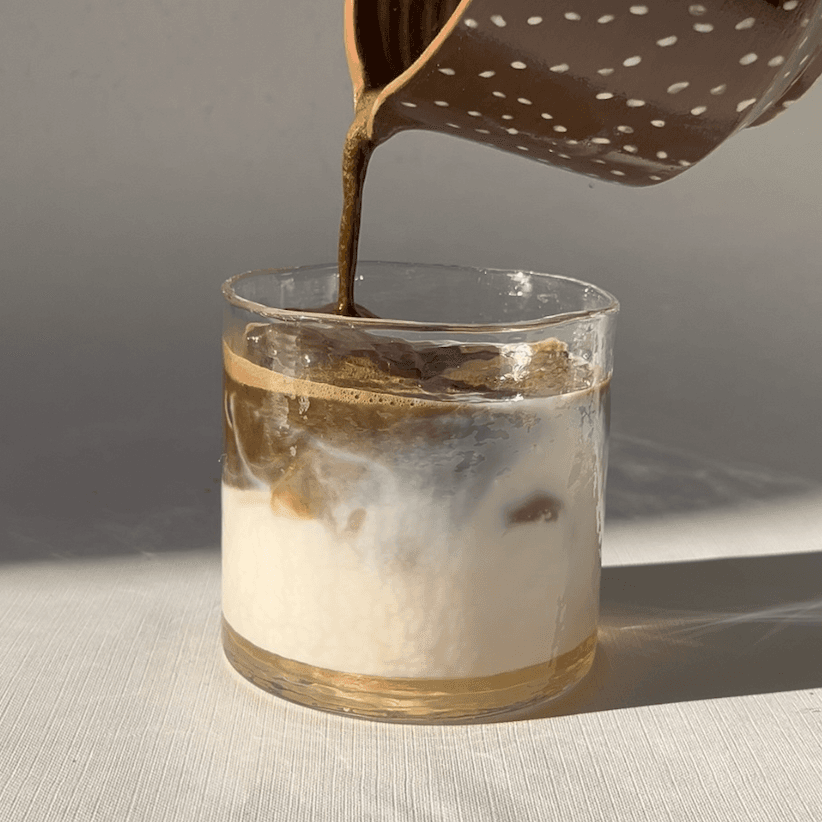 What Is Hojicha? Taste, Caffeine & Uses ExplainedEducationJudithMay 21, 2026Learn what hojicha is, how roasted Japanese green tea tastes, how much caffeine it contains and how hojicha powder is used in drinks and food.
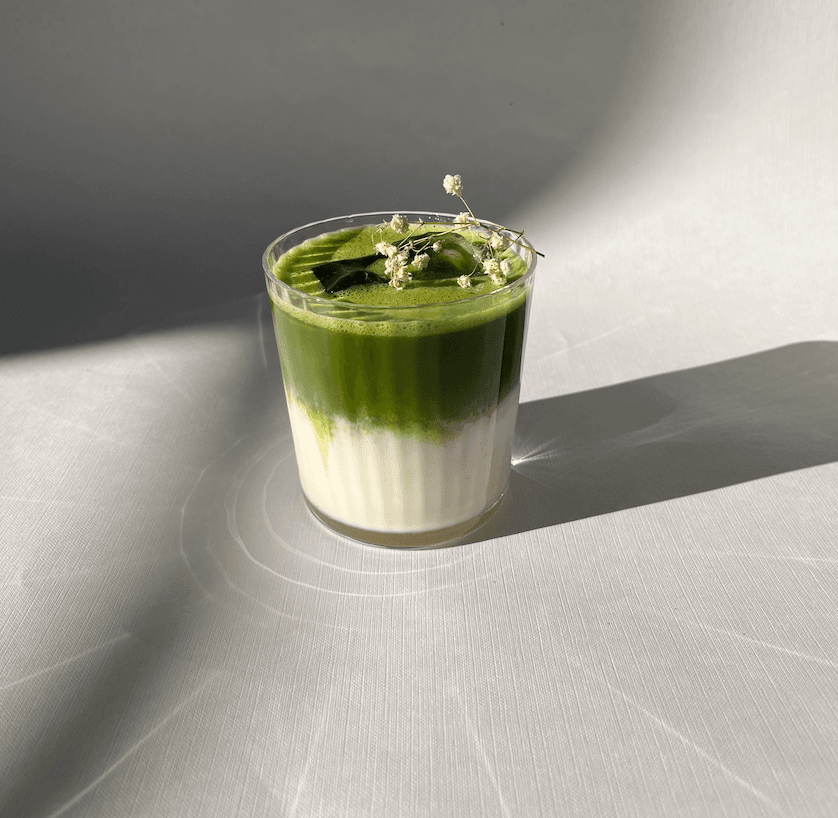 Matcha Powder for Lattes: The Complete Barista GuideEducationJudithMay 17, 2026Everything baristas need to know about choosing and using matcha powder for lattes: grades, technique, dosing, and how to avoid the most common mistakes.
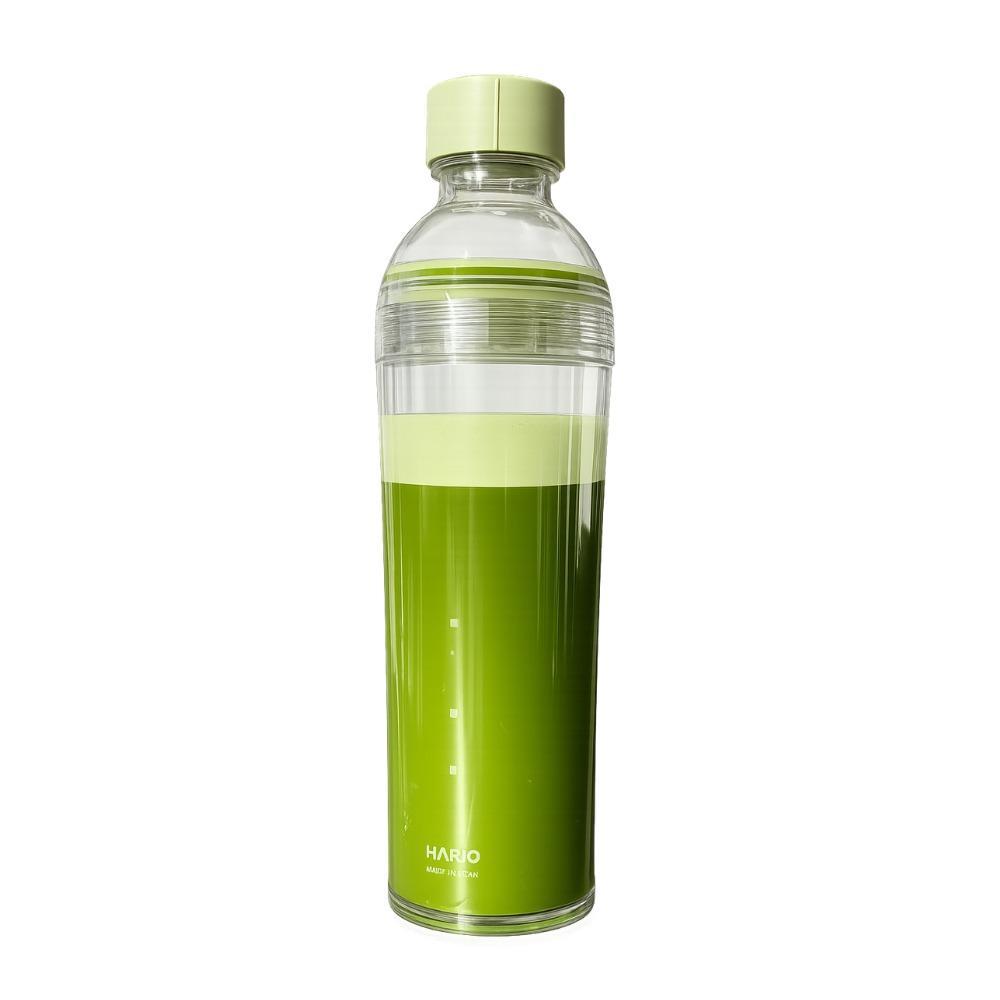 Now Available: Matcha Shaker for Efficient Matcha PreparationNewsJudithMay 12, 2026We're excited to announce our new Matcha Shaker. Designed for modern matcha preparation, this shaker delivers smooth, clump-free matcha in seconds without the need for whisking. Our Matcha Shaker was developed to reduce preparation time, eliminate clumps, improve consistency between servings, and simplify takeaway matcha preparation.
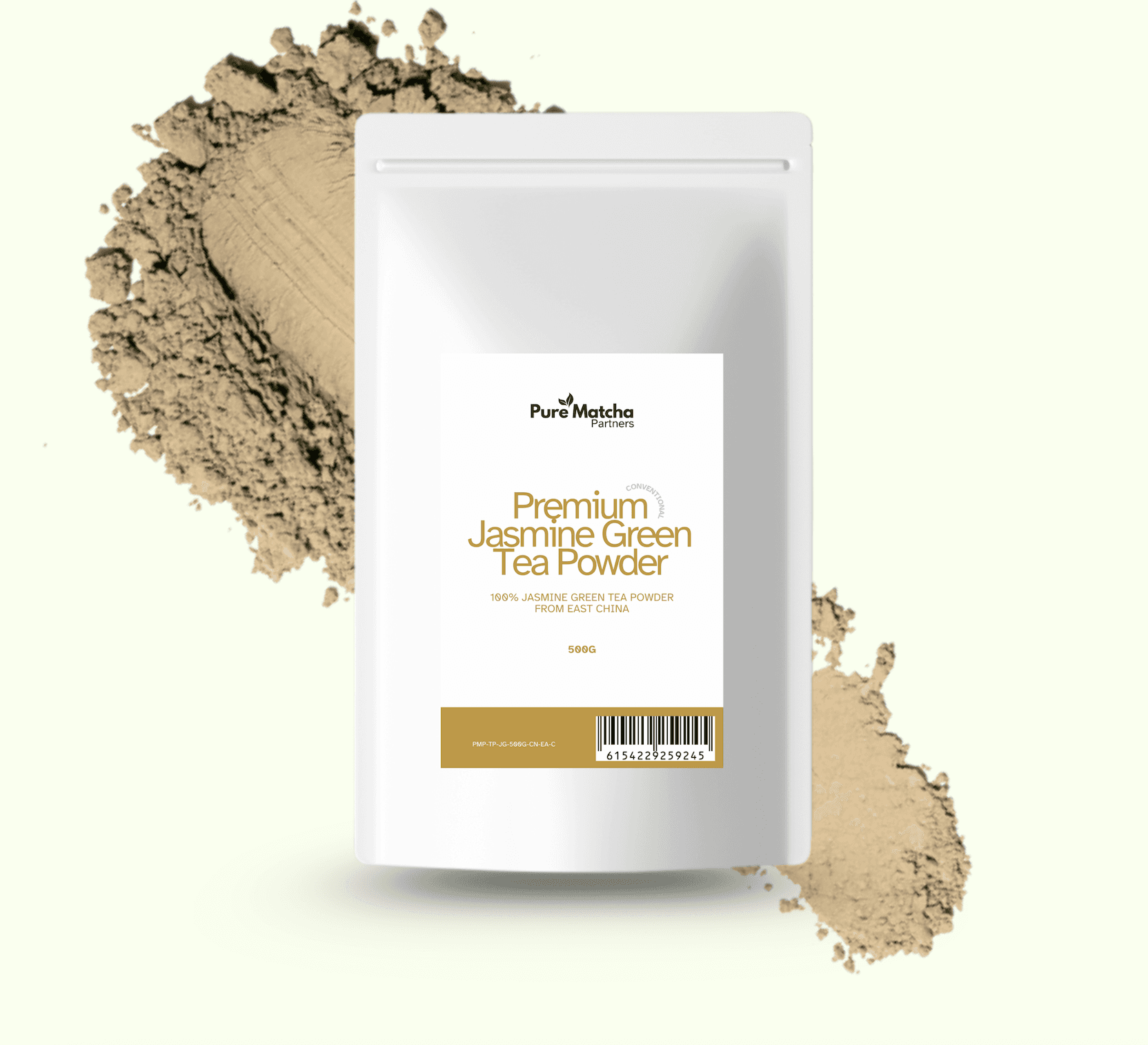 What Is Jasmine Tea Powder?InsightsJudithMay 8, 2026Our Jasmine tea powder is a finely milled green tea powder infused with the fragrant aroma of jasmine flowers. Unlike traditional jasmine tea leaves that are steeped and discarded, jasmine tea powder is whisked directly into drinks and recipes.
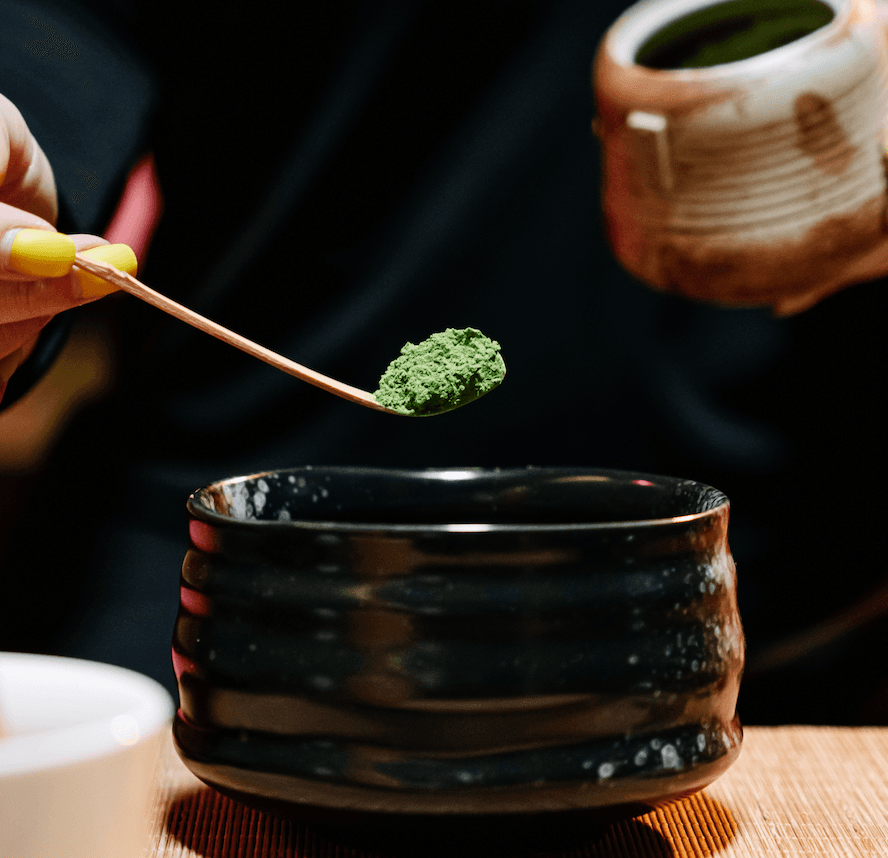 Barista 101: Top Tips for Matcha PreparationEducationJudithMay 5, 2026Preparing a consistently smooth, balanced cup requires more than simply mixing powder with milk. For cafés and baristas, mastering matcha preparation is key to delivering quality, improving workflow, and creating a great customer experience.
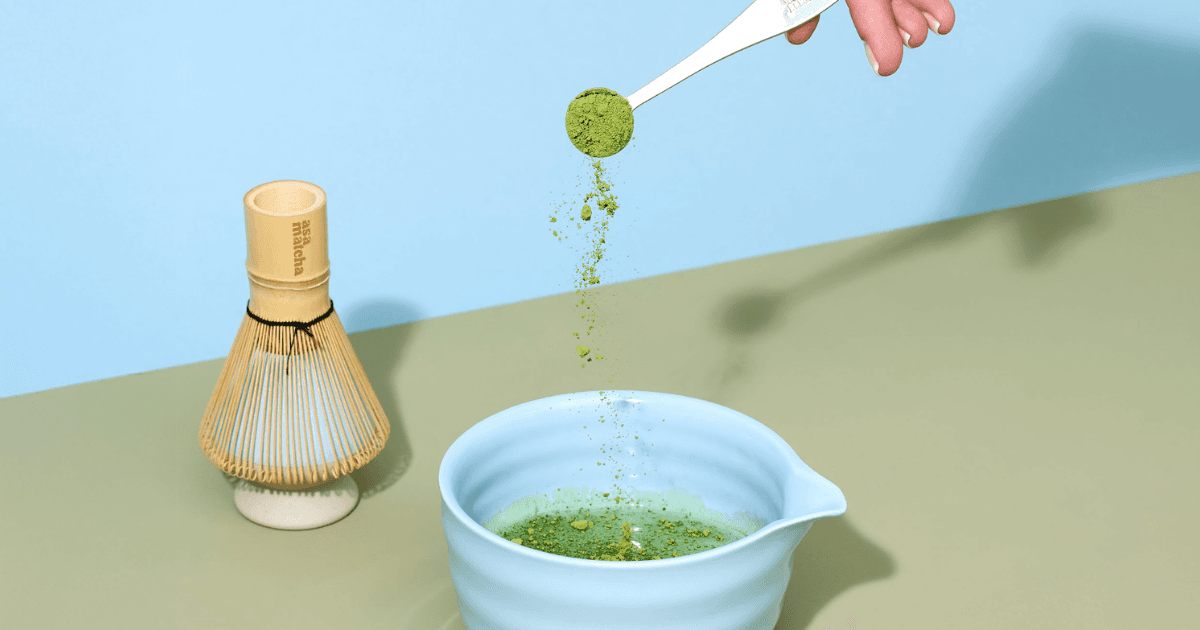 ASA Matcha: What a Premium D2C Matcha Brand Looks Like in EuropeNewsJudithFebruary 2, 2026There's a gap that has existed in the European matcha market for a long time. On one side: B2B suppliers providing bulk matcha to cafés and foodservice. On the other: generic consumer brands selling low-quality matcha through supermarket shelves. In the middle: a largely underserved consumer who wants the real thing: Japanese ceremonial-grade matcha, organically certified, beautifully packaged, and actually accessible. ASA Matcha was built to close that gap.
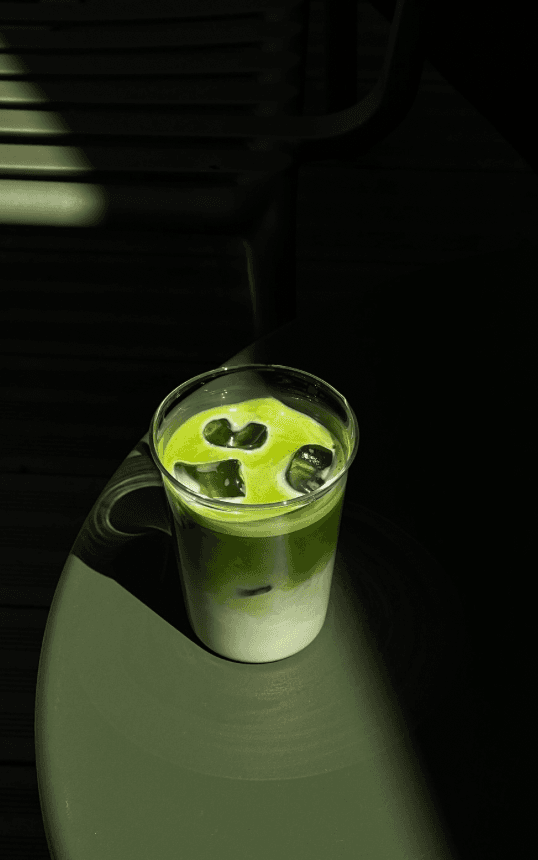 The Future of Matcha in Global Food & BeverageInsightsJudithMay 1, 2026A few years ago, matcha was still seen as a niche product outside Japan and mostly tied to traditional tea ceremonies or specialty cafés. Today, it’s everywhere. From chain cafés and bottled drinks to desserts, bakery products, wellness supplements, and even cocktails, matcha has become one of the most adaptable ingredients in modern food and beverage.
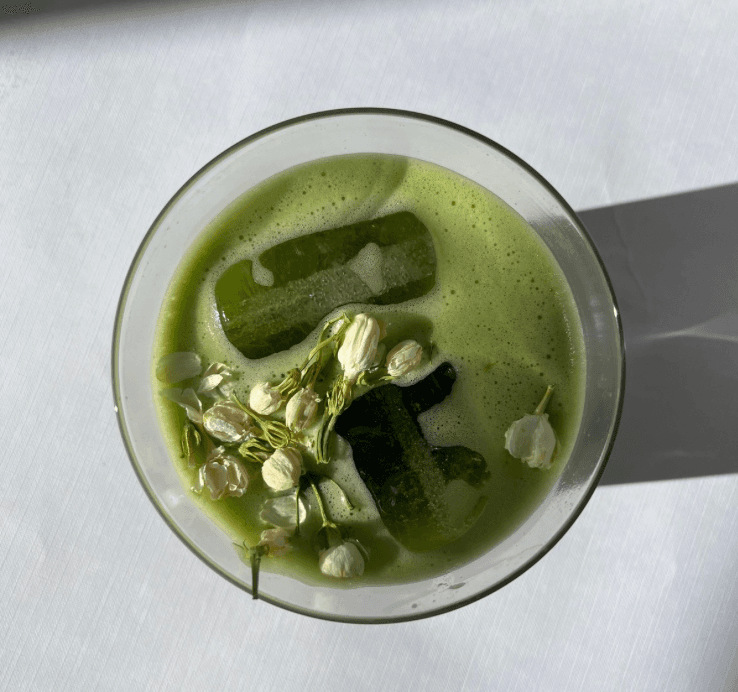 Trend Alert: Combining Tea PowdersInsightsJudithApril 27, 2026For a long time, matcha has been carrying the tea powder category. And it still does a lot of heavy lifting. But lately, something more interesting is happening: blending different tea powders together to create drinks that feel more complete and interesting.
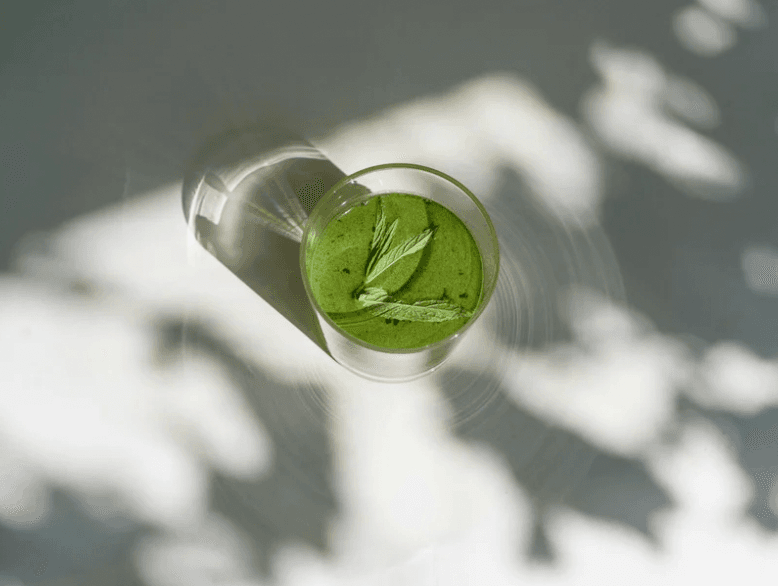 Flavour Pairing Guide: What Works (and Doesn’t) with MatchaInsightsJudithApril 13, 2026Matcha has moved beyond traditional tea ceremonies and into cafés, bakeries, and product lines across the globe. Whether you’re developing beverages, desserts, or retail-ready goods; understanding how matcha behaves in flavor pairings is essential.
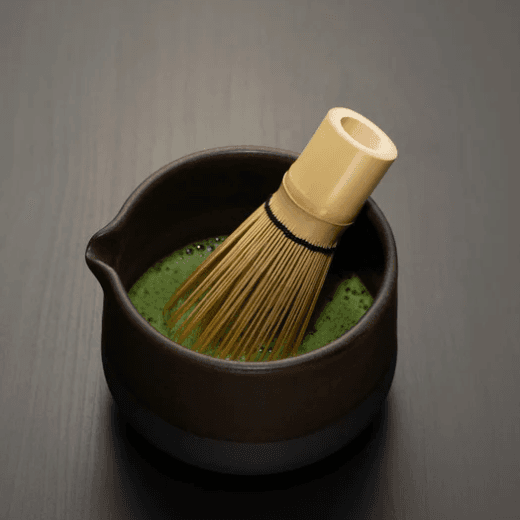 How to Properly Store Bulk Matcha in a Café (Complete Guide for Freshness & Quality)EducationJudithApril 9, 2026If you’re purchasing matcha in bulk, knowing how to store it correctly is essential. In this guide, we’ll walk you through best practices to keep your matcha fresh, bright, and full of flavor for as long as possible.
 What Is Hibiscus Powder?NewsJudithApril 6, 2026Known for its vibrant red color and refreshing taste, hibiscus powder is increasingly used as a natural, caffeine-free alternative or additional element to matcha, especially in products like pink lattes, iced drinks, and functional blends.
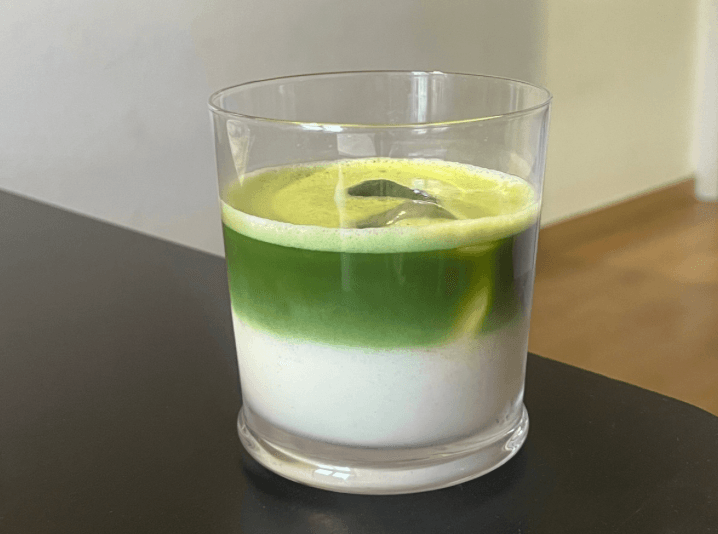 Organic vs Conventional Matcha: What Color Really Tells YouInsightsJudithApril 2, 2026If you’ve sourced matcha globally, you’ve probably noticed the following: Some matcha is a deep, almost neon green, while others, especially organic, appear slightly softer, more muted in tone. At first glance, brighter might seem better. But color doesn’t always mean quality, and in some cases, it reflects something else.
 Introducing New Tea PowdersNewsJudithMarch 30, 2026Matcha has led the way in powdered tea but the category is evolving. This is where our next-generation tea powders come in. We’re expanding our range to include: Rooibos powder, Earl Grey powder, Oolong powder and Da Hong Pao powder
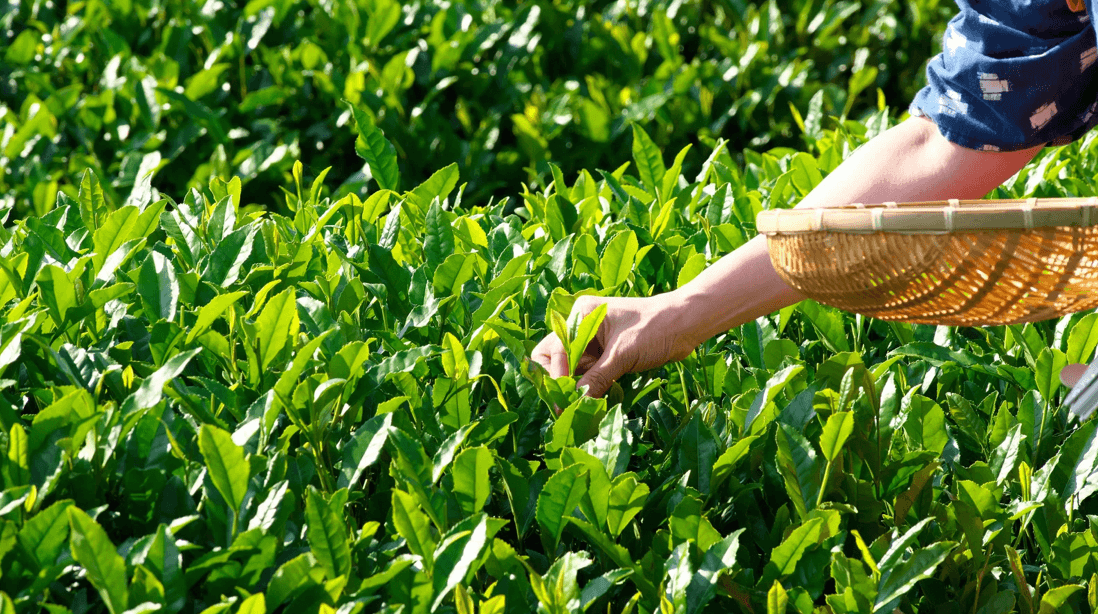 Matcha Harvest Seasons, ExplainedEducationJudithMarch 25, 2026If you’re sourcing matcha at scale, understanding harvest seasons is essential for: Quality consistency, pricing expectations, flavor profiles and stock planning.
 Is Matcha More Sustainable Than Coffee?EducationJudithMarch 23, 2026While matcha is widely known for its vibrant colour, functional benefits, and premium positioning, research suggests it may also offer environmental advantages compared to coffee, particularly when measured per serving.
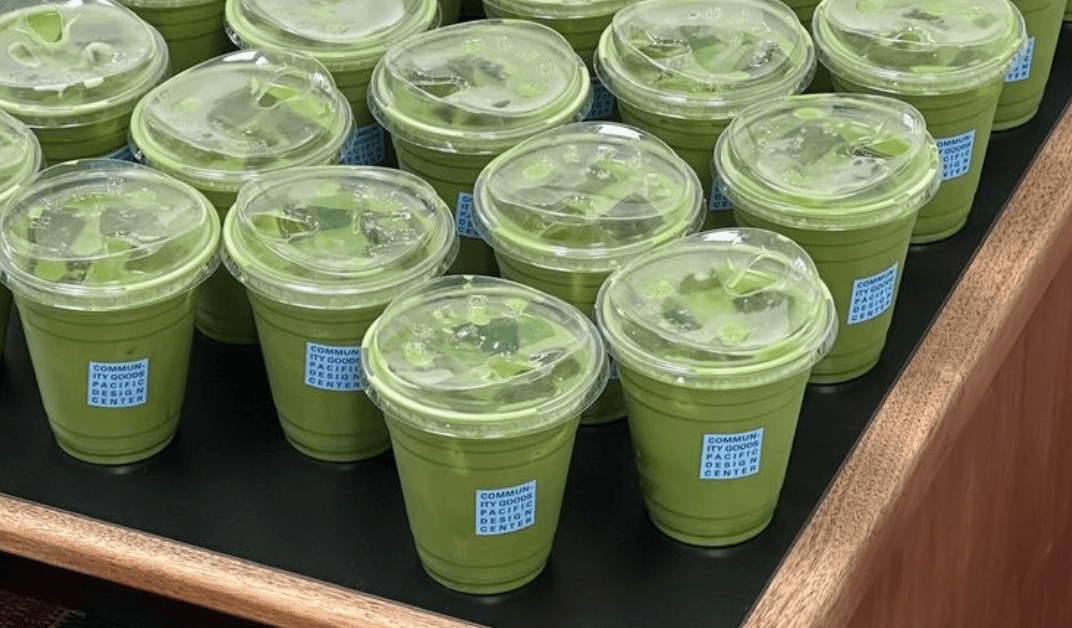 Matcha Ratio Guide: Grams per Cup, Latte & Iced DrinksEducationJudithMarch 14, 2026How much matcha per cup? Usucha: ~2 g with 60–80 ml water. Latte (240–300 ml): 2–3 g, 30–50 ml water, 170–220 ml milk. Iced ratios inside.
 What Is Ube? Taste, Uses & Ube Powder GuideInsightsJudithMarch 20, 2026Discover what ube is, what it tastes like and how ube powder is used in lattes, desserts and commercial food and beverage products.
 Should You Hand-Whisk Matcha in Your Café?EducationJudithMarch 17, 2026As matcha continues to gain popularity in specialty cafés and hospitality venues, many operators face a practical question: Should matcha be hand-whisked traditionally or prepared using modern bar equipment?
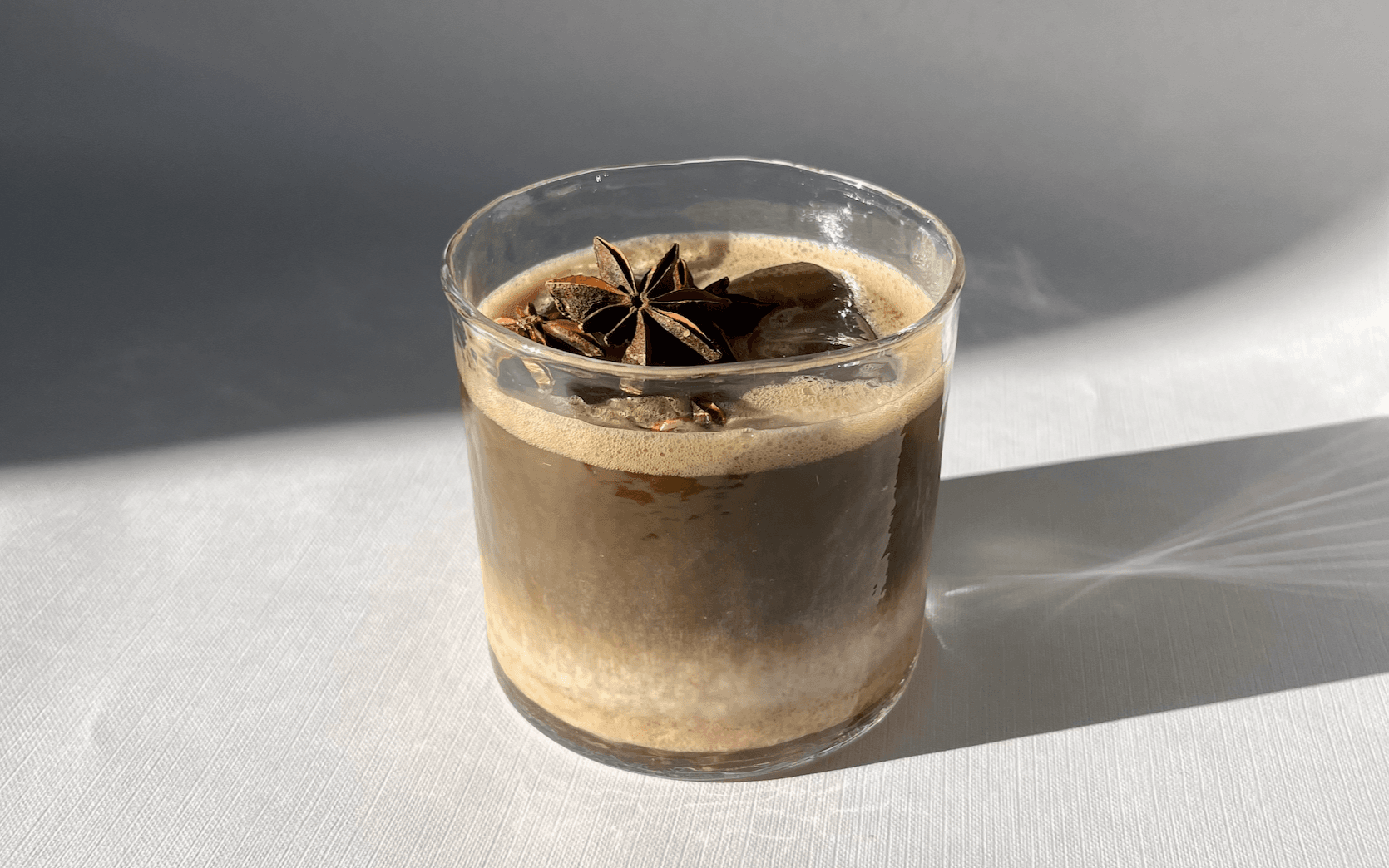 The Rise of Low-Caffeine AlternativesInsightsJudithMarch 12, 2026Hospitality operators have seen a clear shift in consumer behaviour: guests are becoming more intentional about their caffeine consumption.From specialty cafés to premium hotels and wellness-focused restaurants, low-caffeine beverage menus are no longer niche but
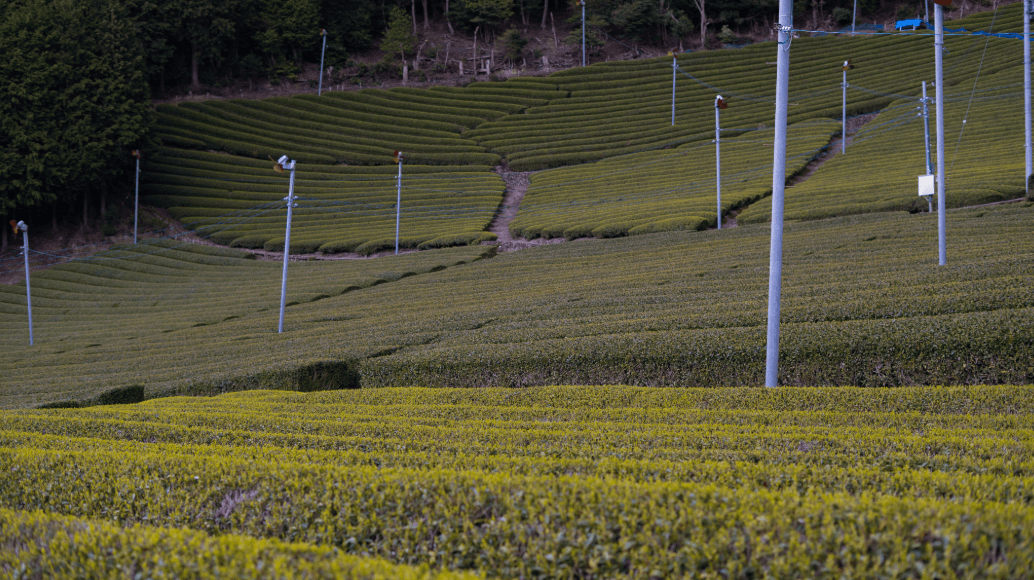 Ethical Matcha Supply ChainInsightsJudithMarch 9, 2026In recent years, matcha has evolved from a niche ceremonial tea into a global phenomenon. Cafés, wellness brands, and food manufacturers are increasingly incorporating matcha into their offerings which are driven by consumer demand for functional, natural, and premium ingredients.
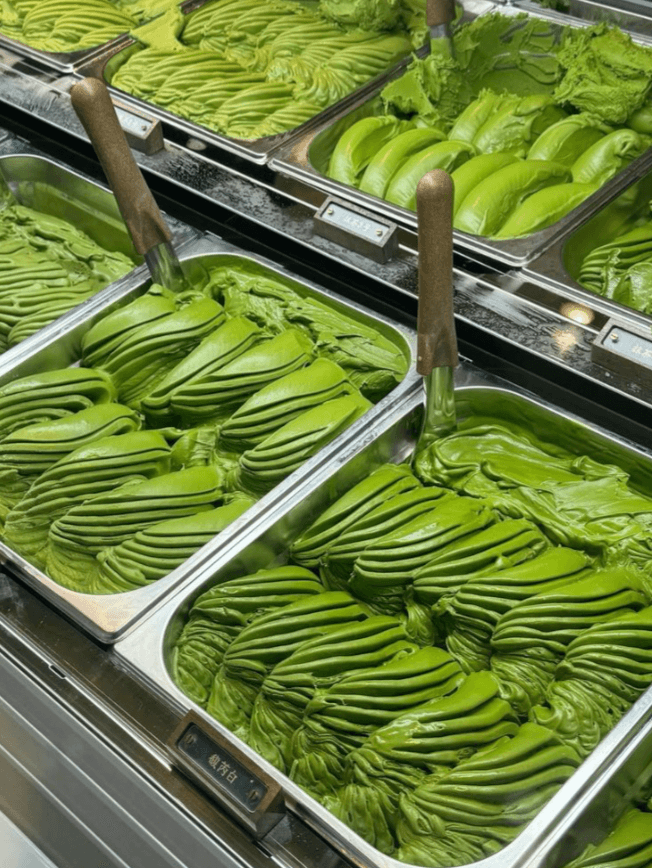 Matcha: A Functional Flavour MakerNewsJudithMarch 2, 2026For years, matcha has been positioned primarily as a superfood that is celebrated for antioxidants, L-theanine, chlorophyll, and slow-release caffeine. While those functional benefits are well established, defining matcha purely through a wellness lens misses its broader impact.
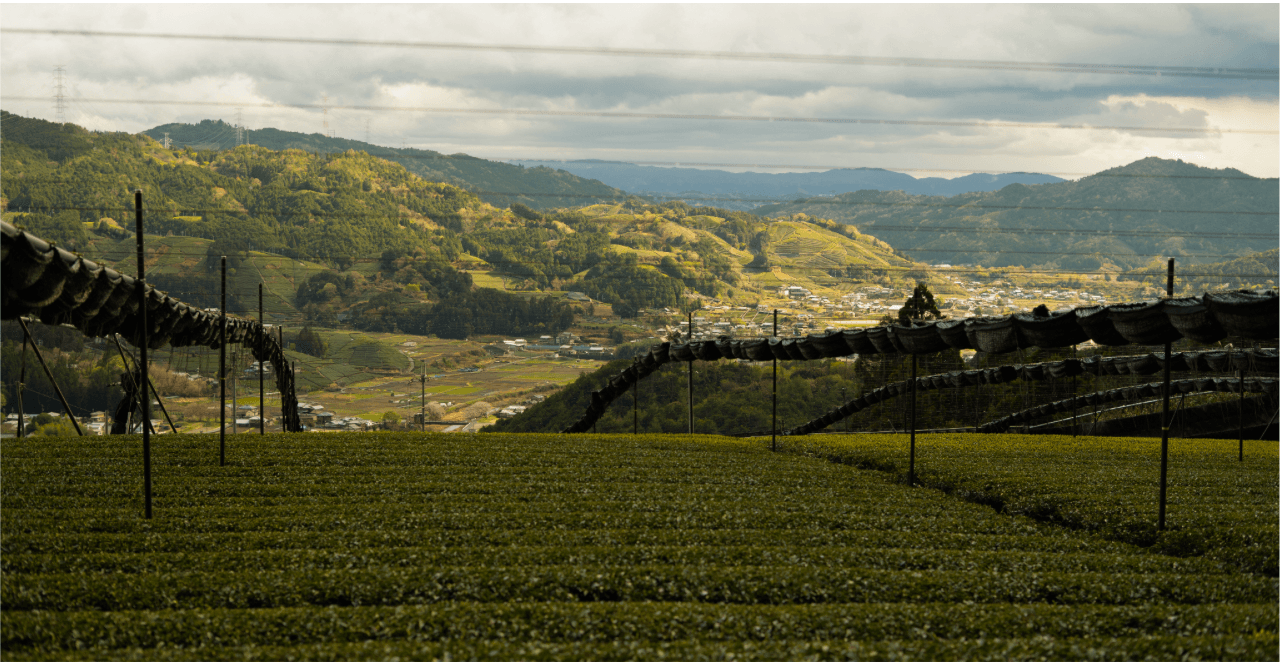 How the Growing Region of Matcha Influences Its Flavor ProfileInsightsJudithFebruary 25, 2026Just like wine, coffee, and cacao, matcha expresses characteristics shaped by its environment.Climate, soil composition, altitude, water quality, and regional farming practices all contribute to the final flavor profile.
 What is the Difference between a Single Cultivar and a Blend?EducationJudithFebruary 19, 2026As matcha continues to grow in global demand, understanding the difference between single cultivar matcha and matcha blends has become increasingly important.
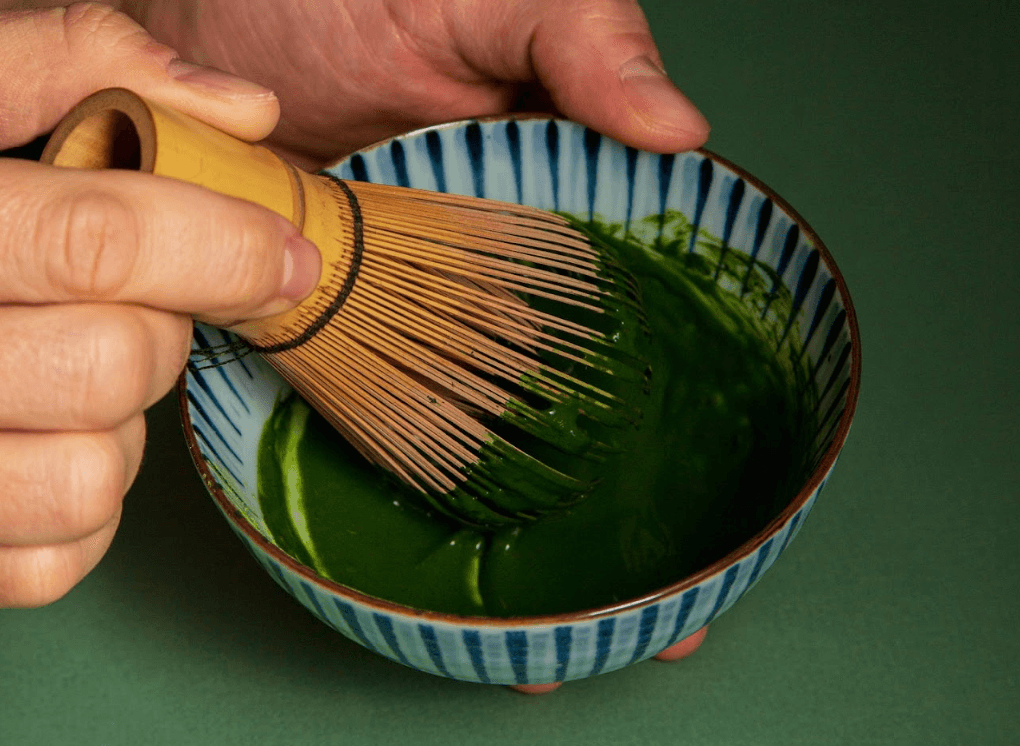 Usucha vs. KoichaEducationJudithFebruary 13, 2026For cafés, specialty retailers, and hospitality brands working with premium matcha, understanding the difference between usucha and koicha is useful. These two preparation styles aren’t just variations in strength but also represent distinct traditions, flavor experiences, and quality standards within Japanese tea culture.
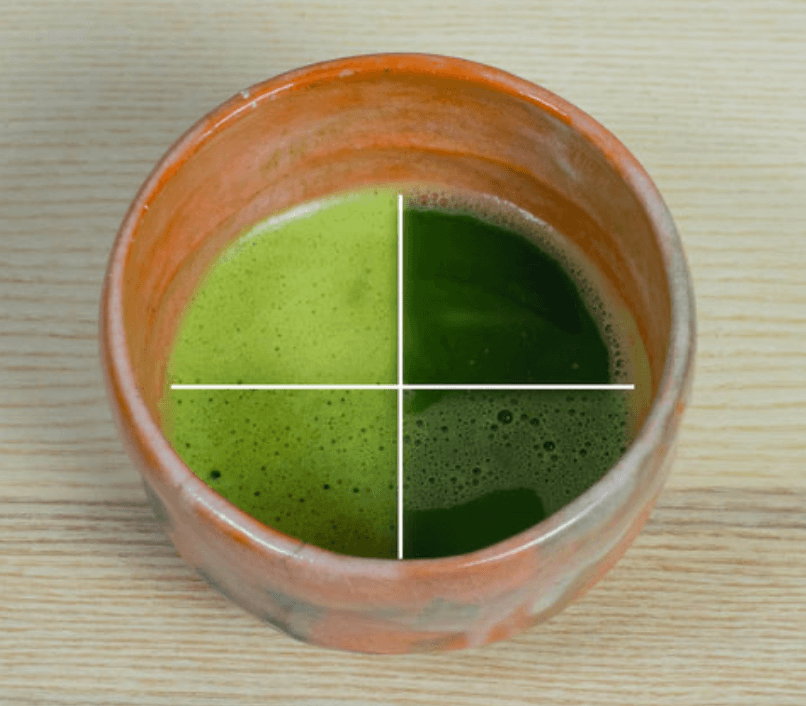 How to Make Matcha Microfoam: Silky Barista TechniqueEducationJudithFebruary 10, 2026Learn how to create smooth matcha microfoam with the right whisking technique, water temperature and ratios for consistent café-quality matcha drinks.
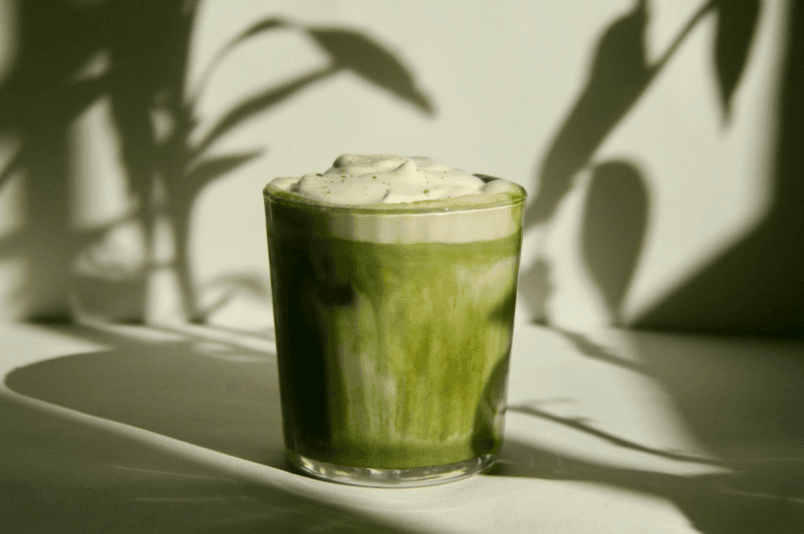 7 Trending Matcha Drinks (2026)InsightsJudithFebruary 8, 2026From creamy cloud matcha to sparkling botanical blends, these are the seven matcha-based drinks set to dominate cafés, social feeds, and wellness routines in 2026.
 Mulberry Leaf Matcha Benefits: Nutrition & UsesEducationJudithFebruary 5, 2026Explore the potential benefits, nutritional profile and applications of mulberry leaf matcha, a naturally caffeine-free green powder for drinks and foods.
 How to Choose Matcha for Functional BeveragesInsightsJudithFebruary 1, 2026This guide walks through the key considerations when selecting matcha specifically for functional beverage applications, from grade to processing, origin, and application fit.
 What Is Mulberry Matcha? Benefits, Taste & UsesInsightsJudithJanuary 25, 2026Learn what mulberry leaf matcha is, how it differs from traditional matcha, what it tastes like and how this caffeine-free powder can be used.
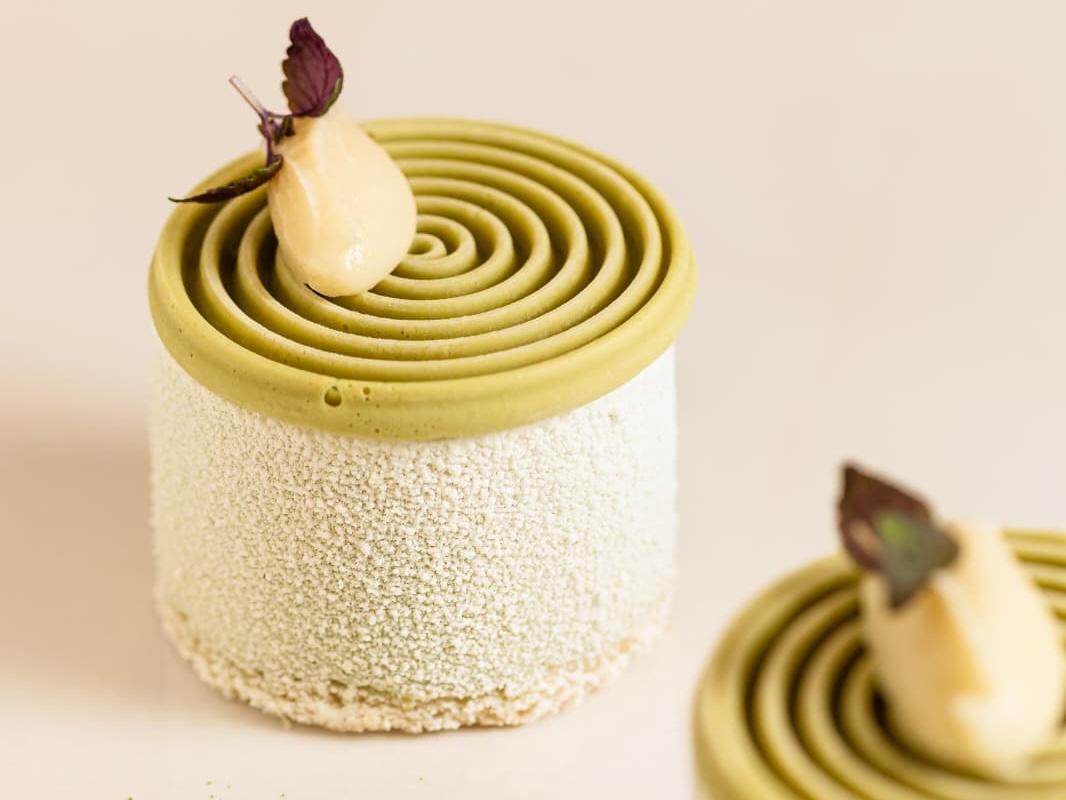 How Benevola in Barcelona uses Culinary MatchaCustomerJudithJanuary 21, 2026In today’s innovative pastry landscape, matcha is much more than a trendy color and when used thoughtfully, it can enhance flavor, visual appeal, and brand differentiation in premium desserts.
 Matcha 101: TerminologyEducationJudithJanuary 15, 2026Understanding matcha’s terminology is helpful for making informed purchasing decisions and delivering the authentic experience customers expect. This guide dives deep into matcha terminology, quality indicators, and sourcing considerations.
 Debunking Matcha MythsInsightsJudithJanuary 12, 2026Matcha is currently one of the most celebrated teas in the world, but with its rising popularity, a lot of myths and misconceptions have been coming up. Let’s debunk some common matcha myths!
 Organic Matcha: Key Considerations for Wholesale BuyersInsightsJudithJanuary 2, 2026As matcha continues to expand across global foodservice, retail, and wellness markets, organic matcha has become an increasingly important category for buyers and brands.
 How to Answer your Customers’ Frequently Asked Questions about MatchaInsightsJudithJanuary 5, 2026As a café, retail brand, or online store selling matcha, your customers might be curious and have questions about matcha. By equipping your staff or team with clear answers, you can build trust, enhance the customer experience, and showcase your expertise.
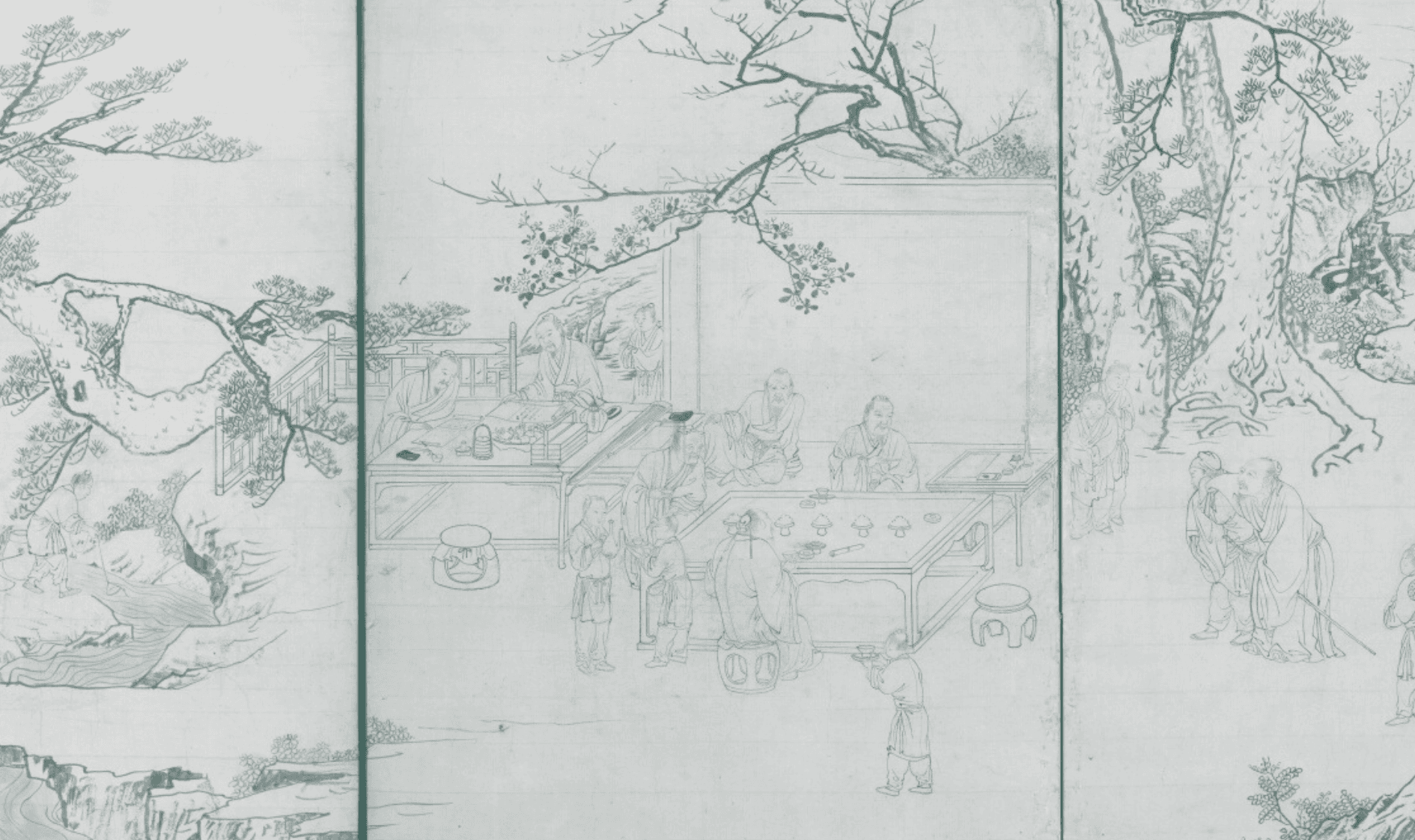 The Origins of MatchaEducationJudithDecember 28, 2025Matcha is often viewed today as a modern superfood or café staple, but its origins trace back over a thousand years. Understanding how matcha developed from a medicinal preparation to a refined cultural practice helps explain why it continues to hold such value in today’s global food and beverage industry.
- Why Chinese Matcha Is Gaining Global PopularityInsightsJudithDecember 23, 2025For decades, matcha has been almost synonymous with Japan. However, in recent years, Chinese matcha has been gaining popularity in global markets, particularly among cafés, beverage brands, and food manufacturers.
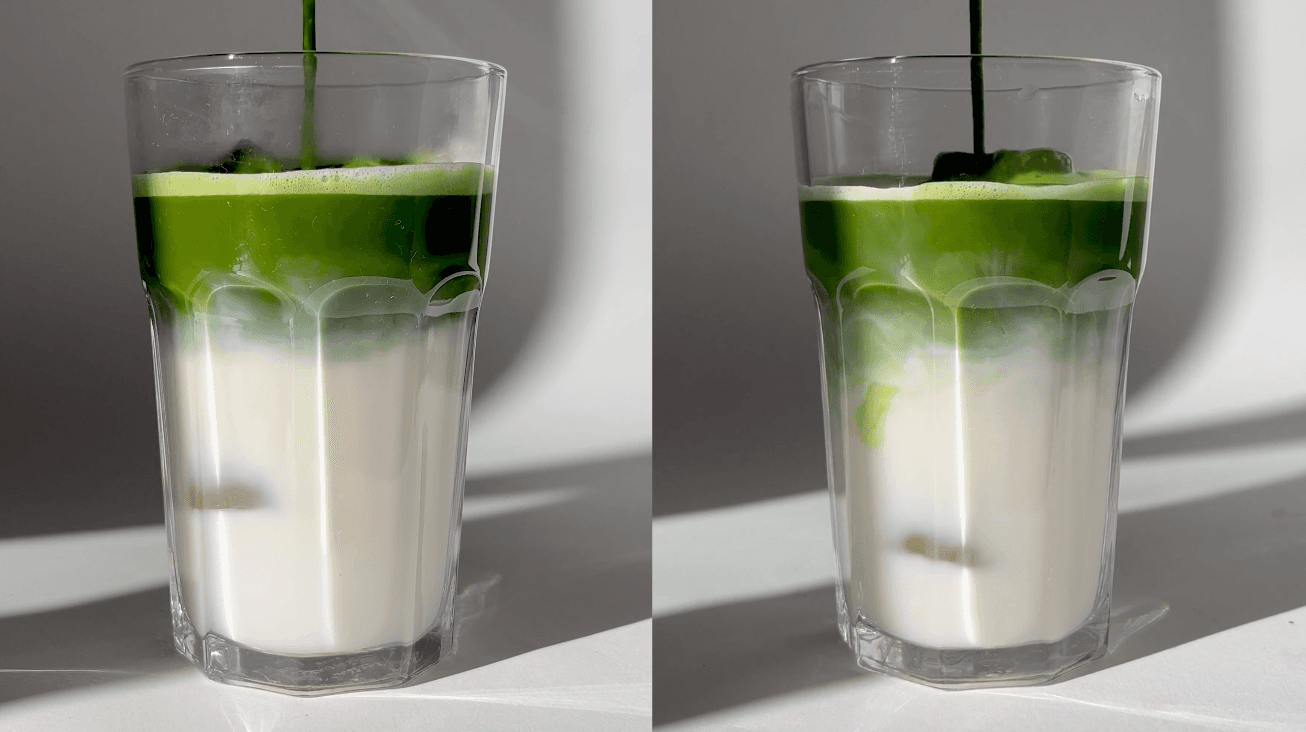 The Difference Between Japanese and Chinese MatchaEducationJudithDecember 20, 2025While Japan became the cultural and technical heartland of matcha, modern production has expanded beyond its borders. Today, matcha is produced both in Japan and China who often use shared techniques, but shaped by differences in geography, farming conditions, and production philosophy.
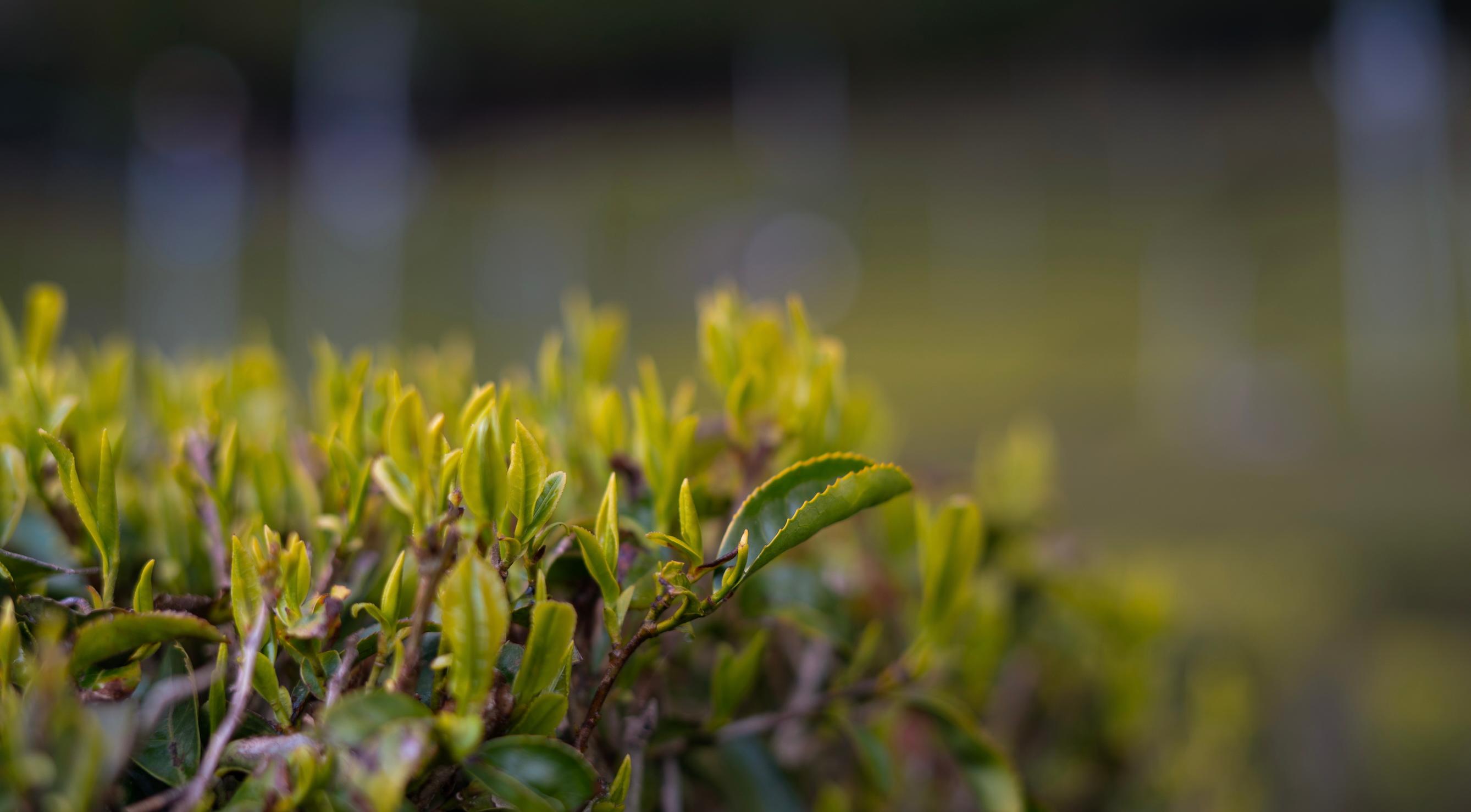 What are Matcha Cultivars?EducationJudithNovember 30, 2025A cultivar (short for cultivated variety) is a specific genetic variety of the tea plant, Camellia sinensis. Just as apples come in different varieties (Fuji, Granny Smith, Gala), tea plants are cultivated into different cultivars
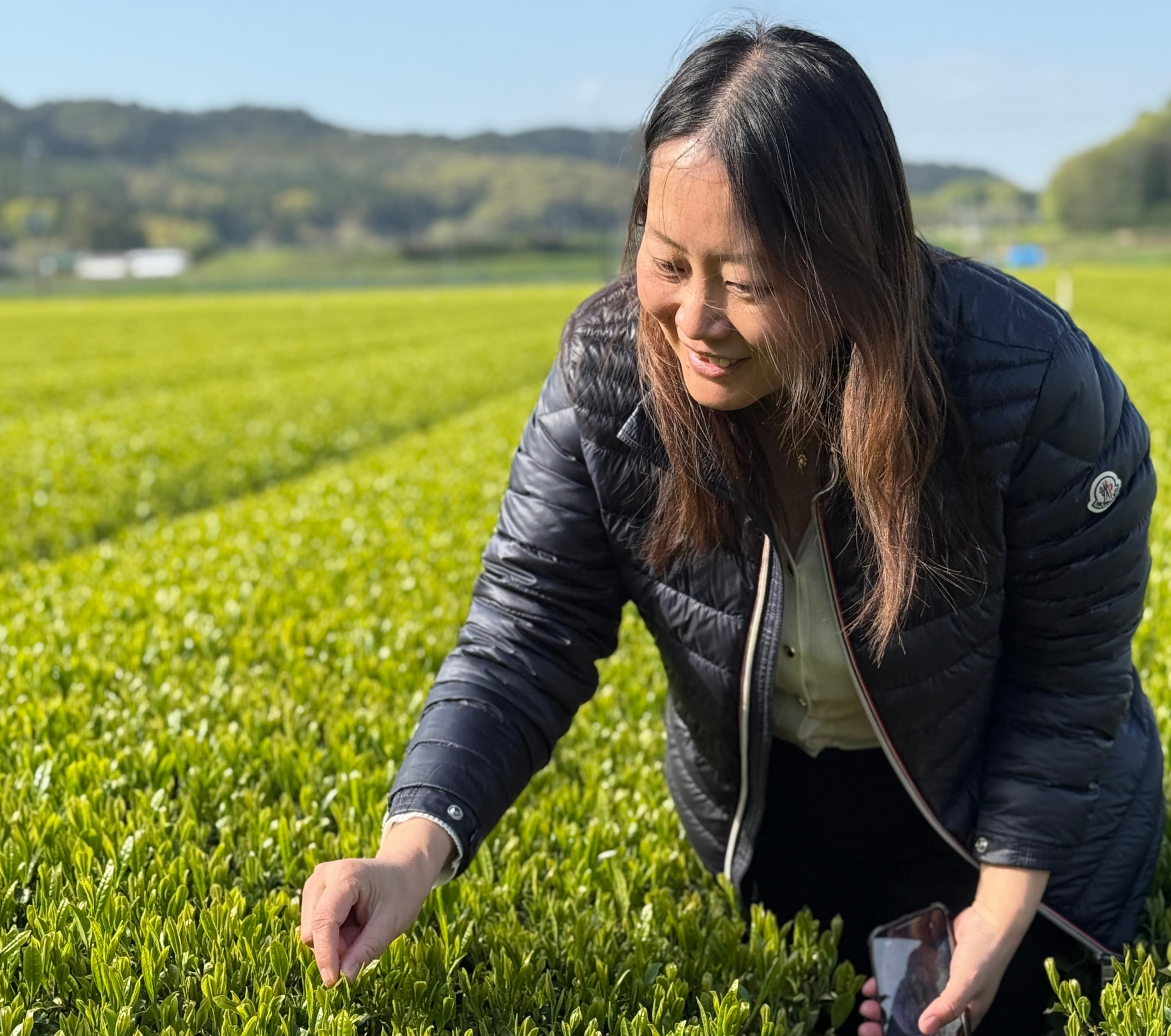 How Matcha is MadeEducationJudithDecember 14, 2025Producing matcha takes time, patience, and tremendous skill. Although matcha today is closely associated with Japan, it all begins with the Camellia sinensis plant which is the same plant used to make all traditional teas.
 Our Journey from Passion to PartnershipEducationJudithDecember 10, 2025Pure Matcha Partners began with a simple belief that matcha deserves to be shared with the world as it truly is: pure, vibrant, and rooted in tradition.
 Matcha Grades Explained: Ceremonial, Latte & CulinaryEducationJudithDecember 15, 2025Ceremonial, latte and culinary matcha compared: flavour, colour, harvest and best uses. Find the right matcha grade for drinking, lattes or baking.
- New kid on the block: What Is Hojicha?EducationJudithDecember 15, 2025As a leading matcha and hojicha powder wholesaler, we’ve seen firsthand how quickly the global market is embracing hojicha, a roasted Japanese green tea with a rich, toasty flavor profile and exceptional versatility.
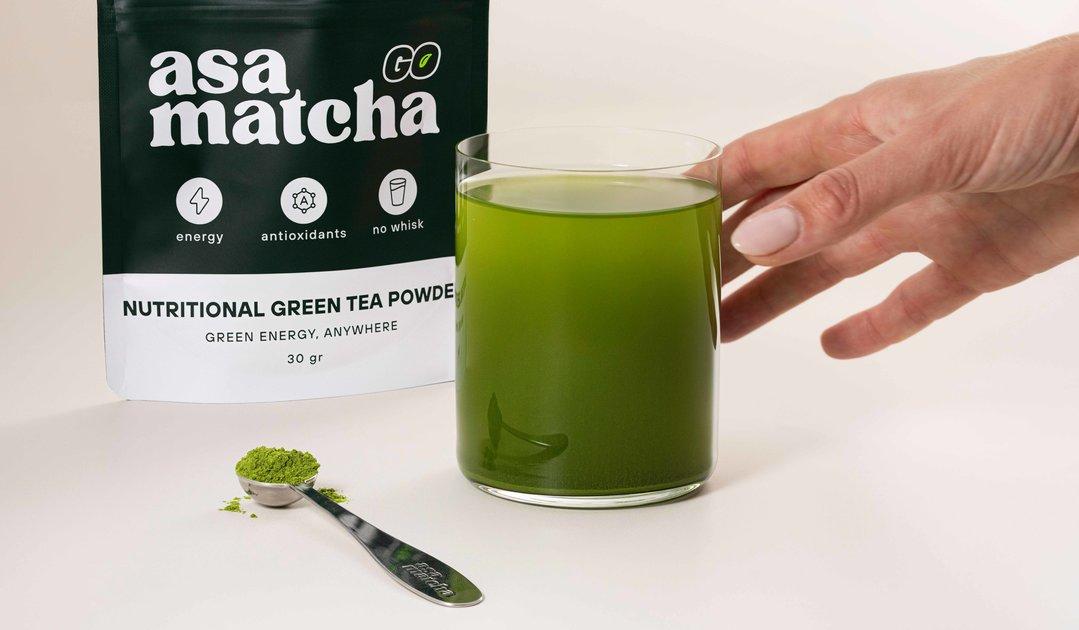 ASA Matcha launches ASA GOEducationLeonardDecember 15, 2025Preparing ASA GO is easier than with other types of matcha. The ultra-fine powder dissolves instantly in water, without the need for a bamboo whisk, the traditional tool used to combine matcha powder with water.
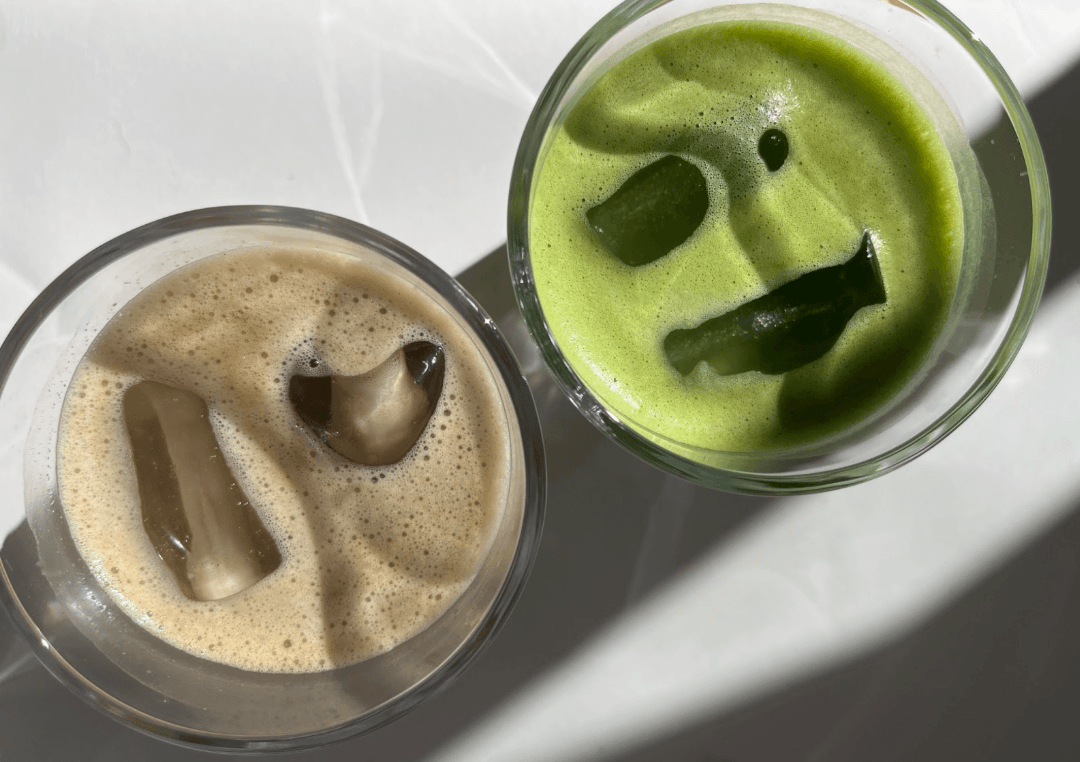 Matcha vs HojichaEducationJudithDecember 15, 2025When exploring the world of Japanese tea, two names stand out for their unique flavor, history, and versatility: matcha and hojicha.
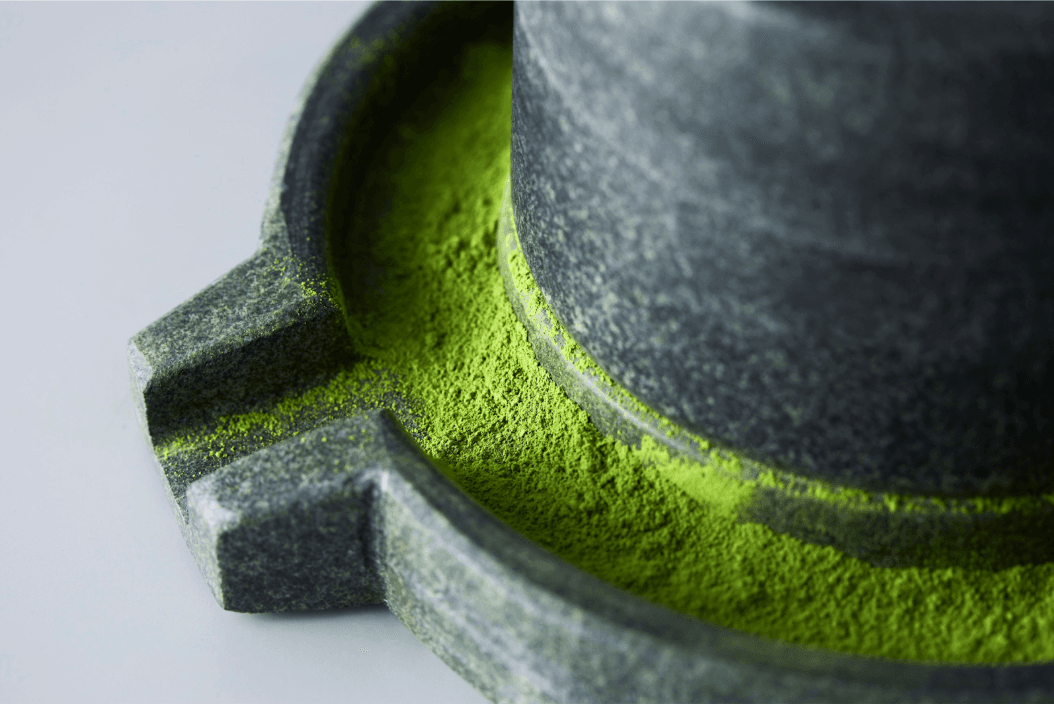 Does Matcha Cause Iron Deficiency?EducationJudithDecember 15, 2025From antioxidant power to gentle caffeine stimulation, it offers a unique boost compared to traditional coffee or black tea. However, there has been a rising concern regarding matcha causing iron deficiency
 Matcha vs. CoffeeEducationJudithDecember 22, 2025For many people, their day doesn’t officially start until caffeine kicks in. Coffee has long dominated the morning ritual, but matcha has been gaining serious popularity in recent years.