



How to Make a Perfect Matcha Latte (Café-Quality)


Why Most Matcha Lattes Fall Short
You've seen the photos. A vivid green matcha latte, perfectly layered in a glass, steamed milk curling alongside that electric color. It looks effortless. In practice, it's a drink that rewards good technique and punishes shortcuts.
The majority of disappointing matcha lattes come down to one of three things: wrong grade of matcha, wrong water temperature, or skipped technique steps. Get those three elements right and you'll be making café-quality matcha lattes consistently, whether you're behind a commercial bar or developing a recipe for a food service brand.
The Ingredients You'll Need
The ingredient list for a classic matcha latte is short, which is exactly why the quality of each component matters so much.
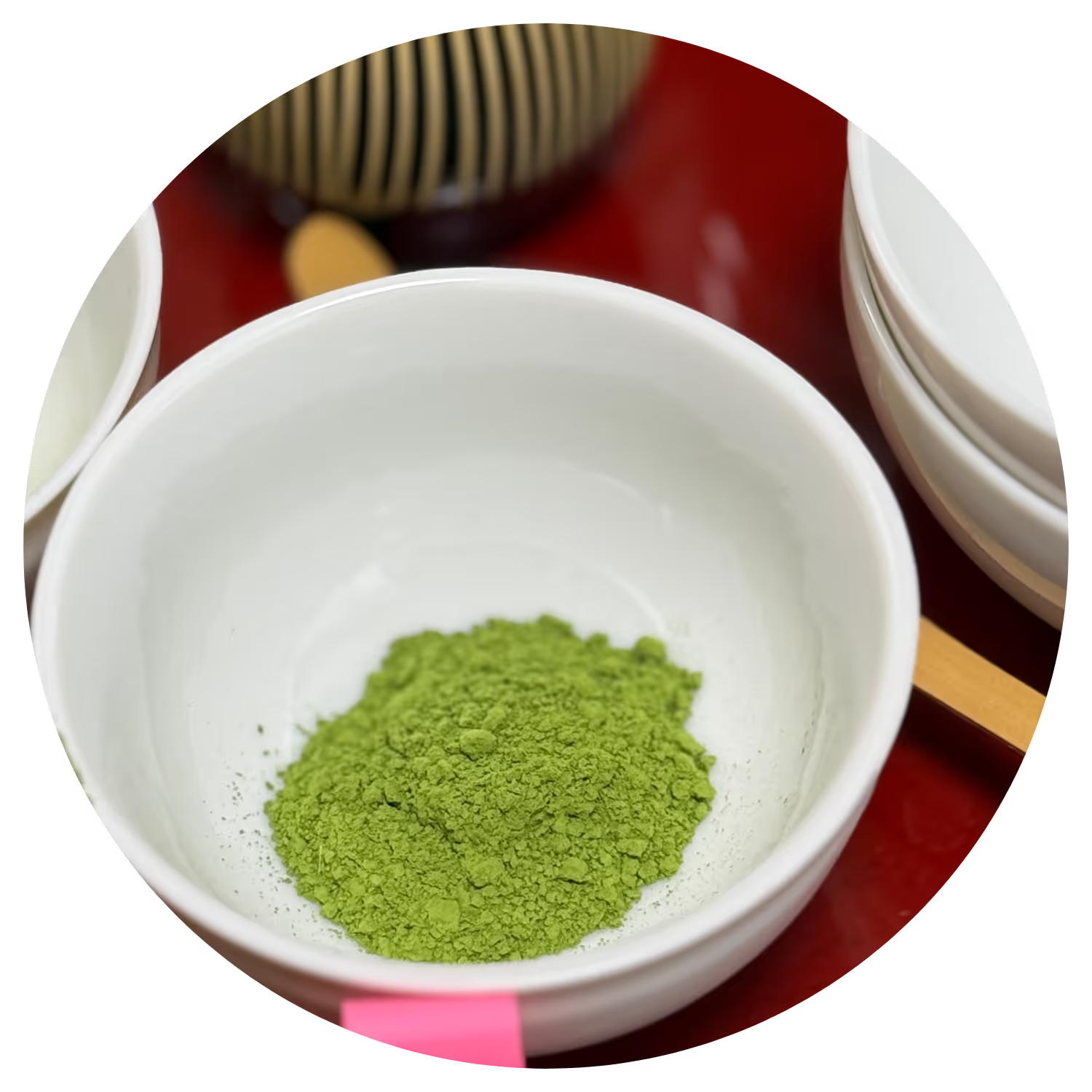
For one serving (12oz / 350ml): 2.5–3 grams of ceremonial or latte grade matcha powder. If you want to use a premium option, our Premium Matcha Japan Organic produces a greatresult with a noticeably more vivid color and cleaner flavor.
30ml of hot water at 65–70°C. Temperature is critical as hotter than 75°C and you start to affect the chlorophyll, which makes the matcha taste bitter and turns the color dull.
200–220ml of your milk of choice. Oat milk is currently the most popular option in café settings and produces a naturally sweet, creamy result. Barista-formulation plant milks are worth investing in for their steaming and texturing properties.
Optional: 5–10ml of simple syrup or liquid sweetener, added to the cup before topping with milk.
Step-by-Step: The Classic Hot Matcha Latte
Sift your matcha first. Use a fine-mesh tea strainer to sift 2.5-3 grams of latte grade matcha into your bowl, pitcher, or serving cup. Any lumps present at this stage will only get worse when liquid is added.
Add the hot water. Pour your 65-70°C water directly over the sifted matcha. Fully hydrating the powder before adding milk creates a paste that integrates into the drink far more smoothly.
Whisk into a smooth paste. Use a bamboo chasen with rapid W or M shaped strokes, then in circular motions to raise a fine foam. An electric handheld frother also works well in a commercial setting. You're aiming for complete dissolution, no visible powder clumps, and a light frothy surface.
Steam your milk. Heat to 65–68°C and texture it to a microfoam consistency. Let the steamed milk settle for 10 seconds after frothing.
Pour and serve. Add your sweetener to the matcha base if using, then pour the steamed milk over and through the matcha. Serve immediately.
The Iced Matcha Latte: A Slightly Different Method
Prepare the matcha paste exactly as above: sift, hot water, whisk. Don't skip the hot water step even for iced drinks. The hot water is necessary to properly hydrate and dissolve the matcha powder. Trying to dissolve matcha in cold liquid produces persistent clumps.
Fill your glass with ice. Pour the matcha paste over the ice, then pour cold milk directly over. The contrast between the cold milk and the vibrant green matcha paste creates a beautiful visual as it settles. Many cafés serve it un-stirred for maximum visual impact.
Increase your matcha dose slightly for iced versions, so use 3–3.5 grams rather than 2.5 to account for the dilution from melting ice.
Equipment That Makes a Difference
A bamboo chasen (whisk) is the traditional tool and still one of the best for producing a smooth, fully integrated matcha preparation. They're affordable, last hundreds of uses when properly cared for, and produce a distinctive fine foam that electric frothers replicate but don't quite match. Matcha accessories including chasens and chawan are available for cafés wanting to add a visual element to their preparation.
A fine-mesh sieve eliminates the clumping problem before it starts. A temperature-controlled kettle makes hitting the 65–70°C range consistently much easier than guessing. Digital scales for dosing as the difference between 2 grams and 3 grams of matcha in a 12oz drink is noticeable, and training your team to measure rather than scoop pays dividends.
Scaling the Recipe for Commercial Service
In a busy café environment, making matcha paste to order can create bottlenecks during peak service. The professional solution is batch paste preparation.
At the start of each service, prepare a matcha concentrate: whisk 20g of matcha powder with 200ml of hot water at 70°C into a smooth, thick paste. Store in a sealed container in the refrigerator for up to 24 hours. When an order comes in, portion 20ml of paste per drink (approximately 2g matcha equivalent), add any sweetener, and top with steamed milk. This reduces per-drink preparation time dramatically without compromising quality.
Seasonal Variations Worth Adding to Your Menu
Once your base recipe is dialed in, matcha lattes lend themselves well to seasonal variations that keep your menu feeling fresh. Brown sugar matcha latte (a matcha latte with a syrup made from brown sugar and cinnamon) is enormously popular and works year-round. Lavender matcha latte is a spring and summer variation that photographs beautifully and appeals to the floral-flavored drink trend. Spiced matcha latte with ginger, cardamom, and cinnamon is a natural autumn offering.
For all of these, the base technique remains the same. The variations happen in the sweetener or in an additional flavored syrup added before the milk. Keep the technique consistent and vary the flavoring layer.
Ready to Try the Recipe with Premium Matcha?
The recipe only works as well as the matcha you put in it. If your current matcha isn't producing the color, flavor, and consistency you want, the issue is almost certainly the powder, not the process.
Try our matcha! We ship samples of our latte grade and premium matcha to cafés and food businesses across Europe. Test the recipe with our matcha against your current product and see the difference for yourself.
We are available to give you the best advise on the best matcha for your company's industry