

— Product group 01Pure Matcha Partners
Ceremonial Matcha
Our highest grade: first-harvest matcha with a fresh, smooth taste and a traditional character. Made for cafés and brands that serve matcha as the hero — whisked as tea, over ice or in premium drinks.
- Organic & conventional
- Japan · China
- Caffeine: Medium/High
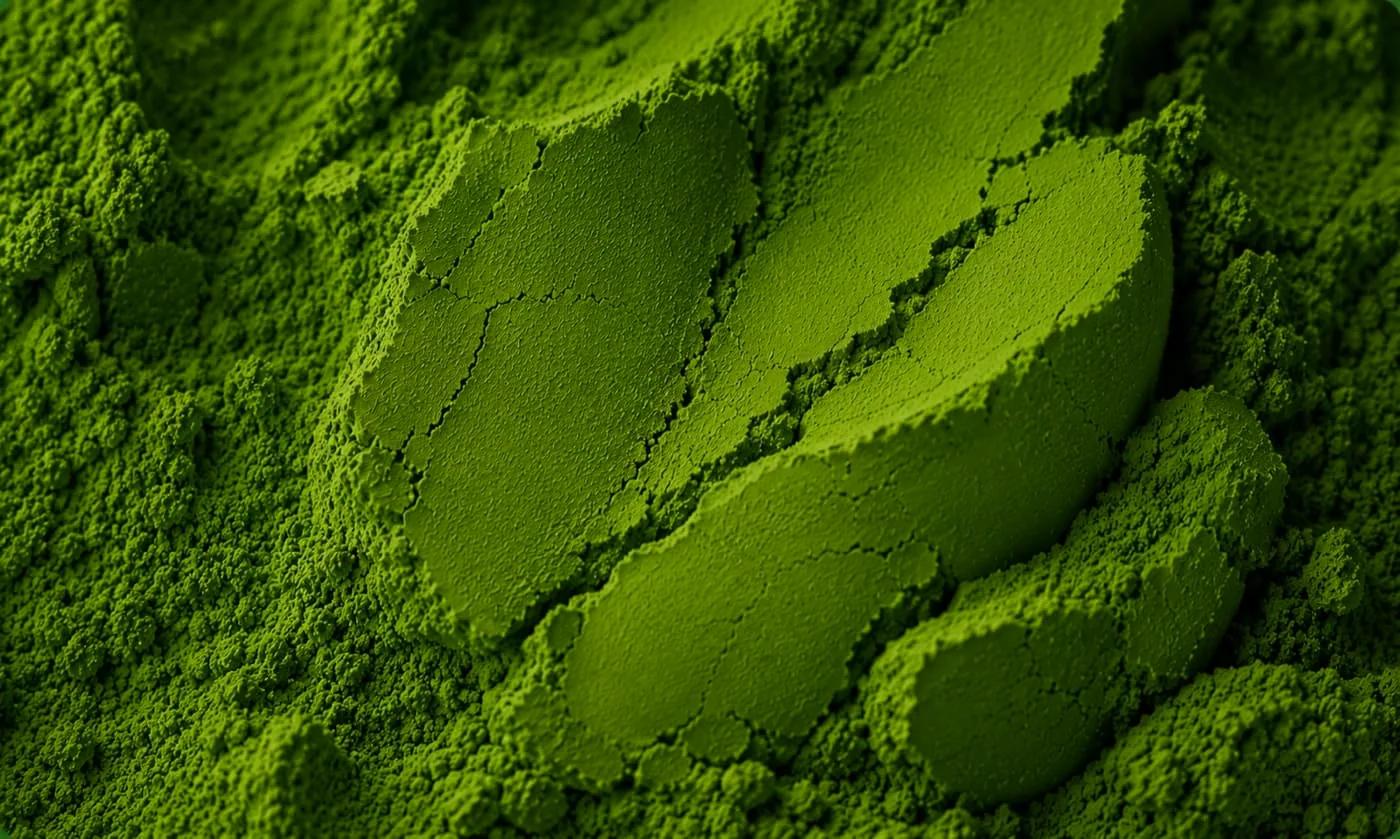
Macro · Ceremonial Matcha
— Spec sheet
Supply
- Origin
- Japan — Organic · ConventionalChina — Conventional
- Minimum order
- From 10 kg
- Packaging
- 1 kg bags up to sacks and full pallets
- Stock
- EU (Netherlands) · US (Salt Lake City) · Hong Kong
- Delivery
- From US stock in 2–4 days · air or sea freight from origin
- Samples
- Custom pack, shipped within 2 days
- Documentation
- Batch COA (heavy metals, pesticides, microbiology) · technical spec sheet
- Private label
- Bulk supply for private label & OEM — packed by your co-packer
Applications
- Traditional tea
- Iced & cold brew
- Cocktails
- Lattes & cappuccinos
- Ice cream & chocolate
- Fresh & raw desserts
- Baked goods & pastries
Product
- Flavour
- Fresh · Sweet · Smooth
- Best for
- Thin tea · Lattes
- Ingredients
- 100% green tea (Camellia sinensis)
- Harvest
- 1st harvest
- Caffeine
- Medium/High
- Colour
Taste profile
- Bitterness
- Nuttiness
- Umami
- Sweetness
- Grassiness
— How it's made
From leaf to powder
Nine steps between a shaded tea bush and a bowl of matcha — each one there for colour, taste or texture.
— From leaf to powder
01 / 09
Shading
20–30 days before harvest the bushes go under shade nets, up to around 90% shade. Less sun means more chlorophyll, more L-theanine and a deeper green.
02 / 09
Harvest
In spring the young top shoots of the first flush are harvested — today almost always by machine, cut cleanly across the top of the bush.
03 / 09
Steaming
Straight after harvest the leaves are steamed to stop oxidation, locking in the bright green colour and fresh aroma.
04 / 09
Cooling
The steamed leaves are blown through the air to cool down and separate, so they dry evenly.
05 / 09
Drying flat
The leaves are dried flat in ovens and never rolled. The result is tencha: the raw material of matcha.
06 / 09
Stems & veins out
Stems and tough veins are removed. Only the soft leaf remains — the base for a silky powder.
07 / 09
Sorting & resting
The tencha is sorted and kept cool until it is milled, so every batch keeps its colour and freshness.
08 / 09
Milling
Industrial mills grind the tencha into an ultrafine powder — cool, consistent and at the volumes brands need. Stone mills can't keep up at that scale.
09 / 09
Matcha
An ultrafine powder, graded on colour, texture, aroma and taste — and tested batch by batch before it ships.
— Origin
Where it comes from
Sourced directly from our partner farms, lab-tested batch by batch and held in stock in the EU, the US and Hong Kong.
Japan
- Organic
- Conventional
Japanese ceremonial grade with a fresh taste and traditional character — organic or conventional.
China
- Conventional
Sourced from East China: fresh flavour and authentic character, a more accessible ceremonial grade for volume.
— Certifications
Certified & lab-tested
Organic grades are certified EU Organic, USDA Organic and JAS, produced under HACCP / FSSC 22000 standards. Every batch is independently tested for heavy metals, pesticide residues and microbiological safety — certificates and lab reports for your grade and origin are available on request.






Ceremonial Matcha
Matcha for Tea
Ideal for traditional brewing with warm water, cold-brewing, or matcha over ice.
Read more about Ceremonial Matcha
All articles →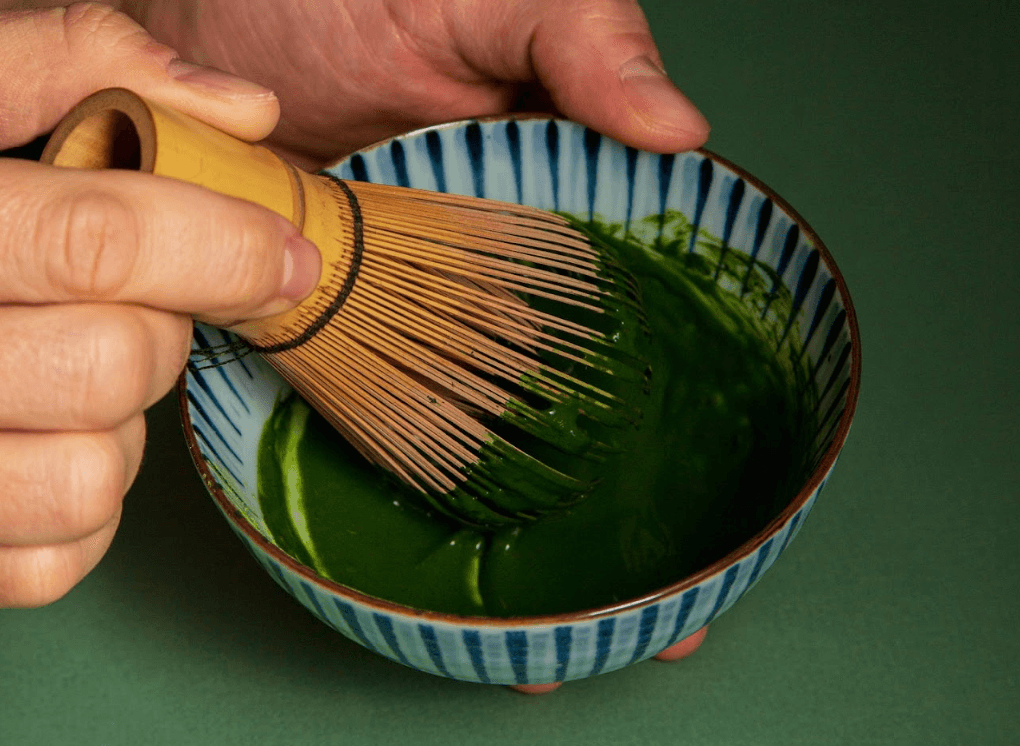
Education · February 13, 2026
Usucha vs. Koicha
For cafés, specialty retailers, and hospitality brands working with premium matcha, understanding the difference between usucha and koicha is useful. These two preparation styles aren’t just variations in strength but also represent distinct traditions, flavor experiences, and quality standards within Japanese tea culture.
Education · December 14, 2025
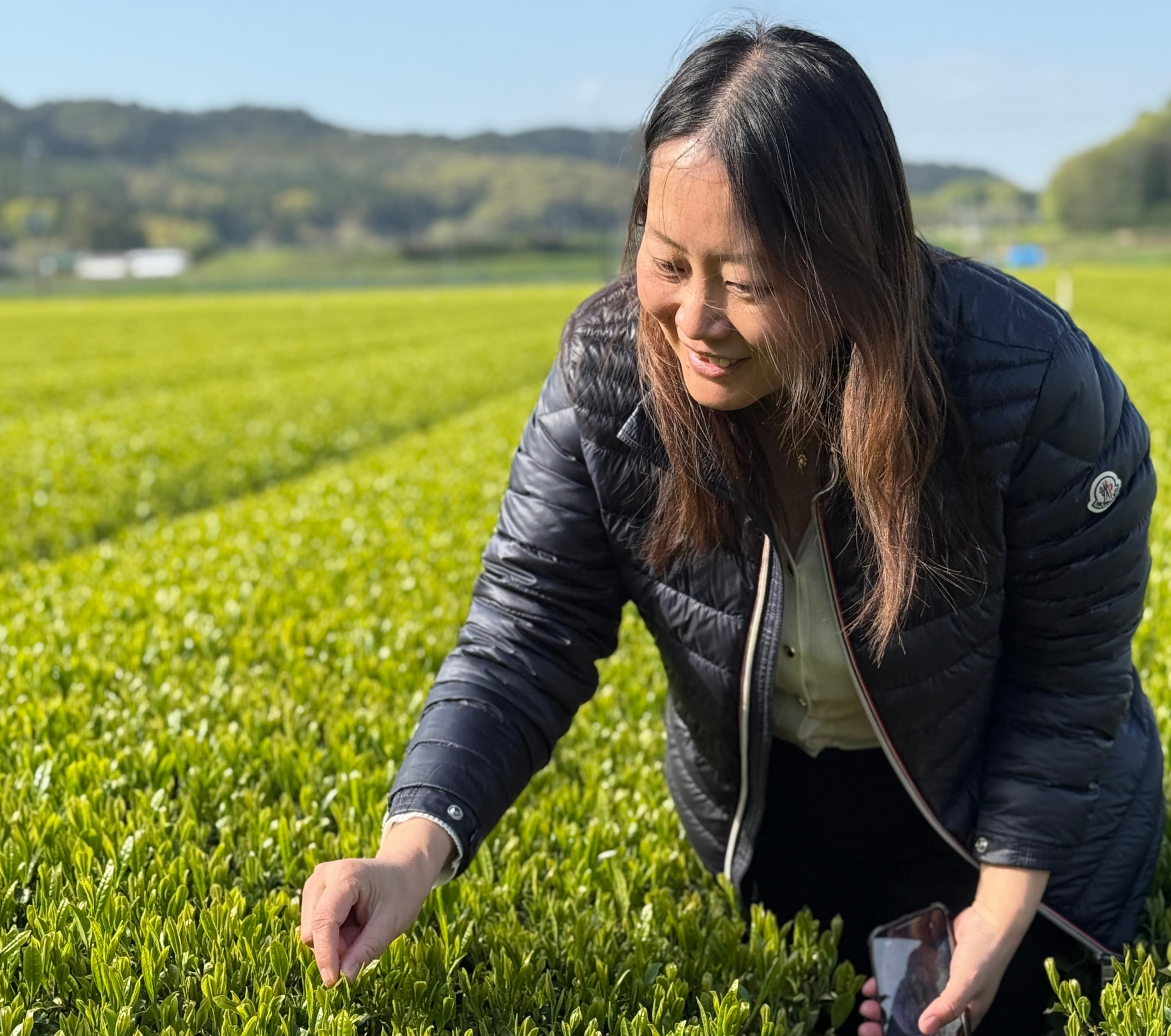
How Matcha is Made
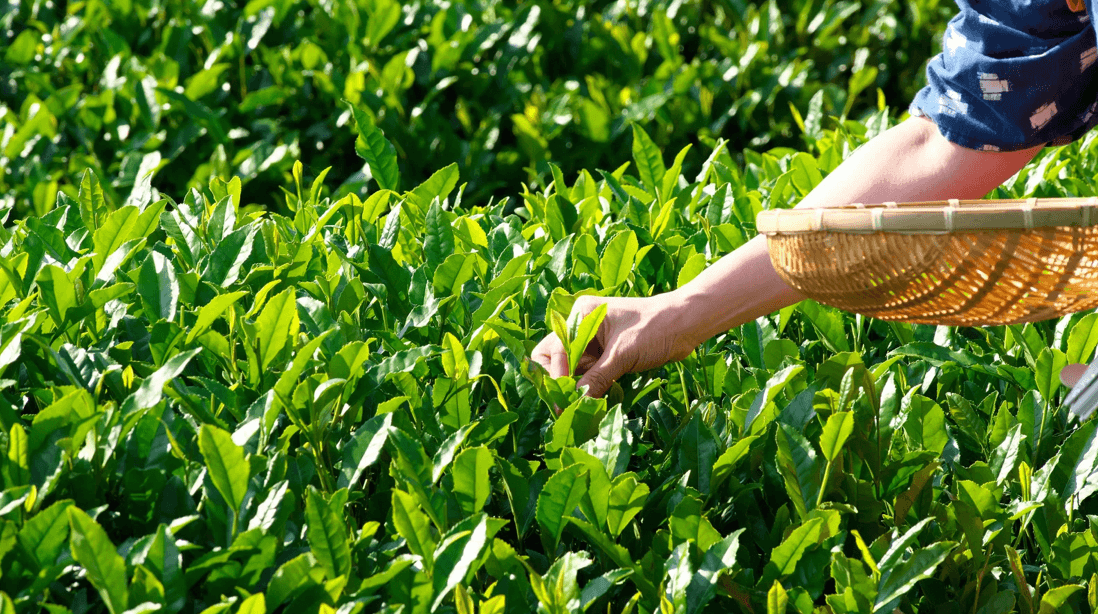
Producing matcha takes time, patience, and tremendous skill. Although matcha today is closely associated with Japan, it all begins with the Camellia sinensis plant which is the same plant used to make all traditional teas.
Education · March 25, 2026
Matcha Harvest Seasons, Explained
If you’re sourcing matcha at scale, understanding harvest seasons is essential for: Quality consistency, pricing expectations, flavor profiles and stock planning.
Education · December 28, 2025
The Origins of Matcha
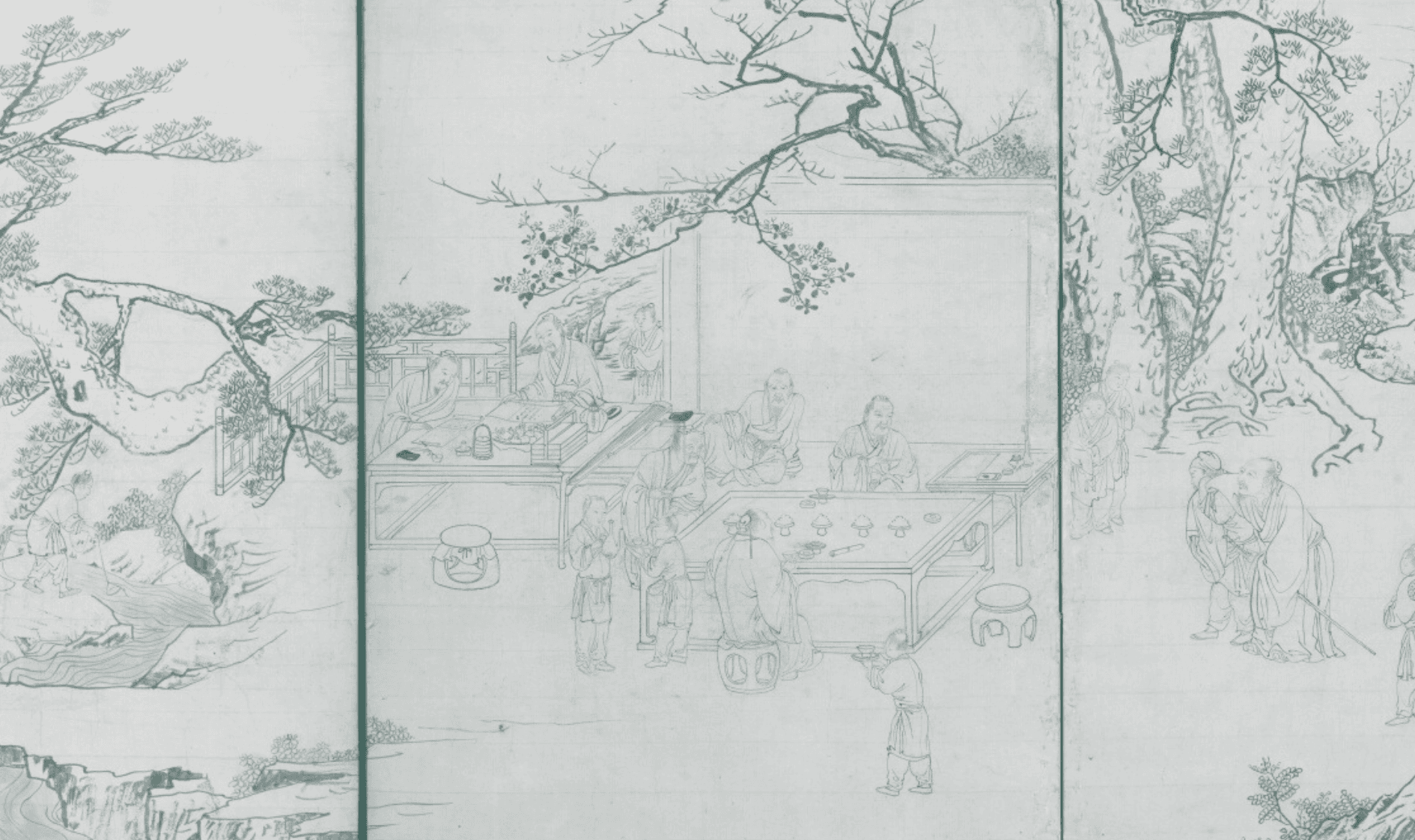
Matcha is often viewed today as a modern superfood or café staple, but its origins trace back over a thousand years. Understanding how matcha developed from a medicinal preparation to a refined cultural practice helps explain why it continues to hold such value in today’s global food and beverage industry.
Education · November 30, 2025
What are Matcha Cultivars?
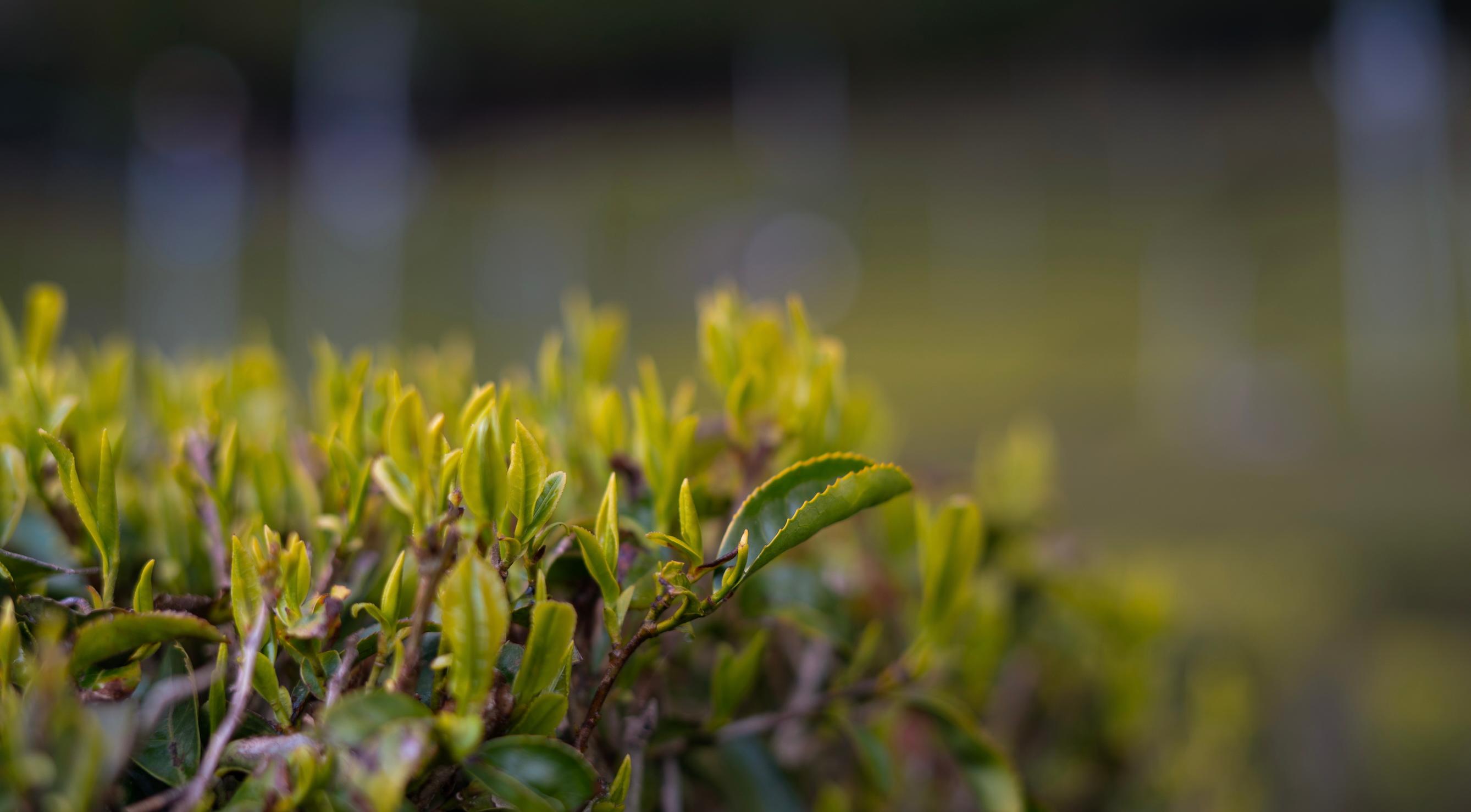
A cultivar (short for cultivated variety) is a specific genetic variety of the tea plant, Camellia sinensis. Just as apples come in different varieties (Fuji, Granny Smith, Gala), tea plants are cultivated into different cultivars
Education · December 20, 2025
The Difference Between Japanese and Chinese Matcha
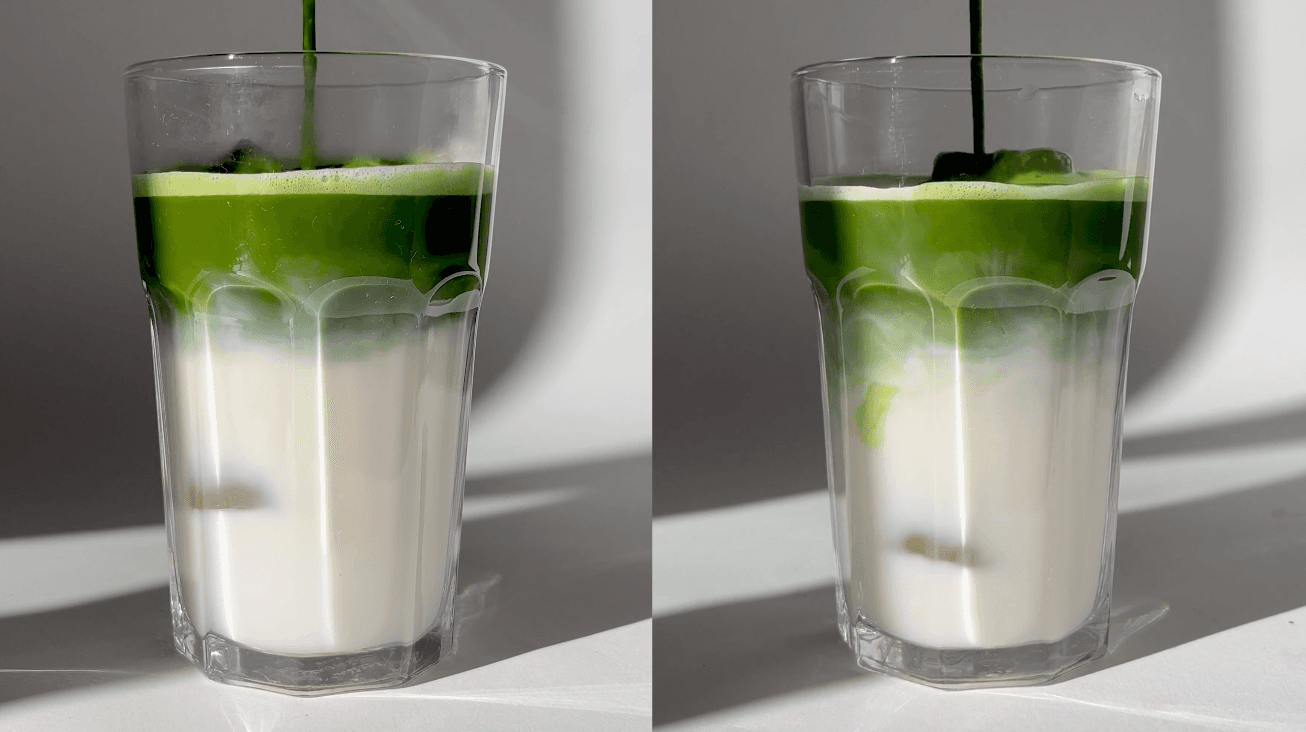
While Japan became the cultural and technical heartland of matcha, modern production has expanded beyond its borders. Today, matcha is produced both in Japan and China who often use shared techniques, but shaped by differences in geography, farming conditions, and production philosophy.
Taste it first
Tell us what you are making — we put together a custom sample pack and ship it within 2 days.