

— Product group 03Pure Matcha Partners
Culinary Matcha
Built for cooking, baking and food production: a balanced matcha taste and reliable colour at a competitive level, in the volumes bakeries, foodservice and manufacturers need.
- Organic & conventional
- China · Japan
- Caffeine: Medium
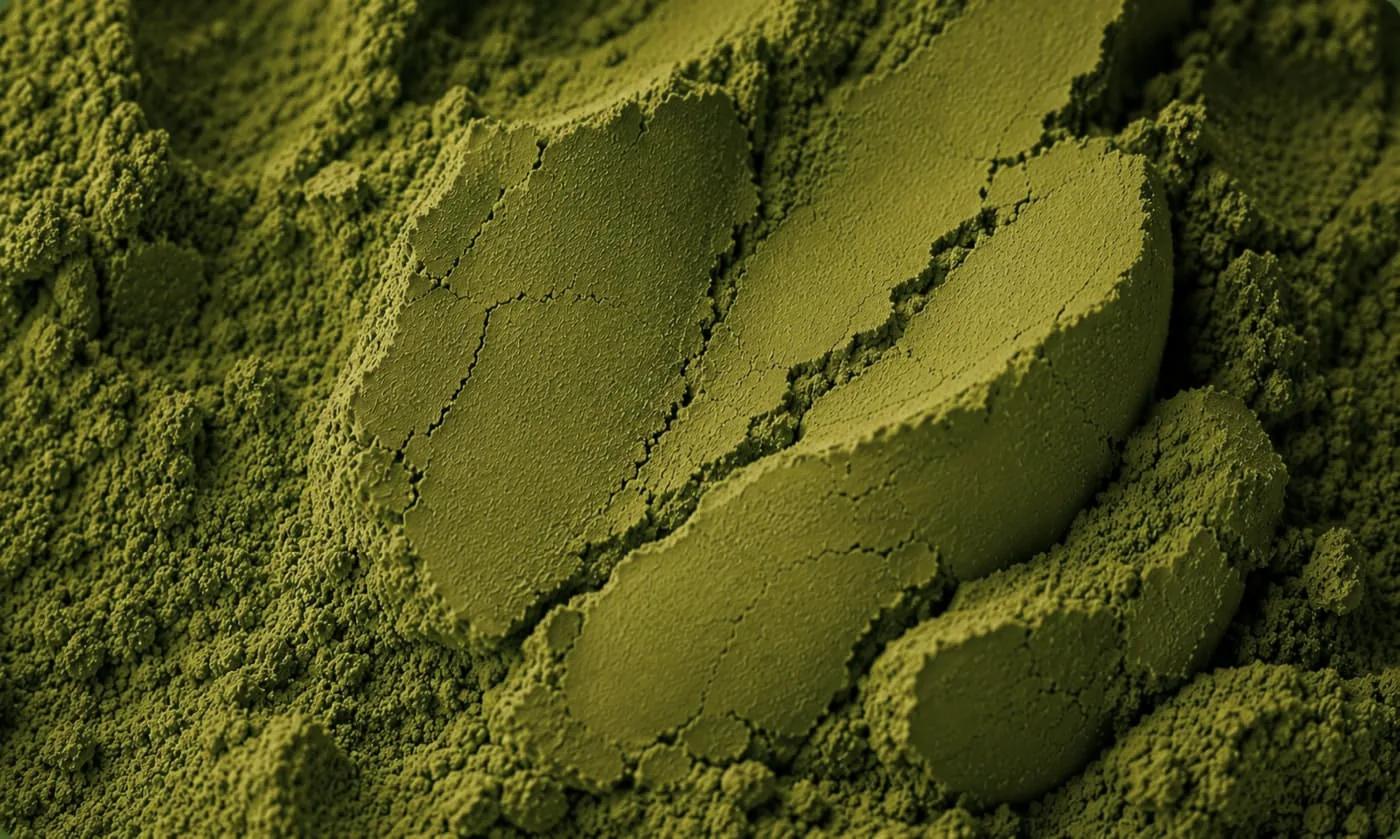
Macro · Culinary Matcha
— Spec sheet
Supply
- Origin
- Japan — Organic · ConventionalChina — Conventional
- Minimum order
- From 10 kg
- Packaging
- 1 kg bags up to sacks and full pallets
- Stock
- EU (Netherlands) · US (Salt Lake City) · Hong Kong
- Delivery
- From US stock in 2–4 days · air or sea freight from origin
- Samples
- Custom pack, shipped within 2 days
- Documentation
- Batch COA (heavy metals, pesticides, microbiology) · technical spec sheet
- Private label
- Bulk supply for private label & OEM — packed by your co-packer
Applications
- Baked goods & pastries
- Ice cream & chocolate
- Fresh & raw desserts
- Iced & cold brew
- Cocktails
- Lattes & cappuccinos
- Traditional tea
Product
- Flavour
- Balanced · Clean · Versatile
- Best for
- Baking · Lattes · Cooking
- Ingredients
- 100% green tea (Camellia sinensis)
- Harvest
- Third harvest
- Caffeine
- Medium
- Colour
Taste profile
- Bitterness
- Nuttiness
- Umami
- Sweetness
- Grassiness
— How it's made
From leaf to powder
Nine steps between a shaded tea bush and a bowl of matcha — each one there for colour, taste or texture.
— From leaf to powder
01 / 09
Shading
20–30 days before harvest the bushes go under shade nets, up to around 90% shade. Less sun means more chlorophyll, more L-theanine and a deeper green.
02 / 09
Harvest
Leaves from the later summer harvest are cut — today almost always by machine — giving a robust profile made for food and baking.
03 / 09
Steaming
Straight after harvest the leaves are steamed to stop oxidation, locking in the bright green colour and fresh aroma.
04 / 09
Cooling
The steamed leaves are blown through the air to cool down and separate, so they dry evenly.
05 / 09
Drying flat
The leaves are dried flat in ovens and never rolled. The result is tencha: the raw material of matcha.
06 / 09
Stems & veins out
Stems and tough veins are removed. Only the soft leaf remains — the base for a silky powder.
07 / 09
Sorting & resting
The tencha is sorted and kept cool until it is milled, so every batch keeps its colour and freshness.
08 / 09
Milling
Industrial mills grind the tencha into an ultrafine powder — cool, consistent and at the volumes brands need. Stone mills can't keep up at that scale.
09 / 09
Matcha
An ultrafine powder, graded on colour, texture, aroma and taste — and tested batch by batch before it ships.
— Origin
Where it comes from
Sourced directly from our partner farms, lab-tested batch by batch and held in stock in the EU, the US and Hong Kong.
Japan
- Organic
- Conventional
Harvested in Japan: a balanced matcha taste for desserts, bakery and foodservice — organic or conventional.
China
- Conventional
Grown in China: our most accessible grade, made for large-volume cooking, baking and food manufacturing.
— Certifications
Certified & lab-tested
Organic grades are certified EU Organic, USDA Organic and JAS, produced under HACCP / FSSC 22000 standards. Every batch is independently tested for heavy metals, pesticide residues and microbiological safety — certificates and lab reports for your grade and origin are available on request.






Culinary Matcha
Matcha for Baking Ideal for culinary use, perfect in baking, desserts, RTD purposes, and other recipes where bold matcha flavor is needed.
Read more about Culinary Matcha
All articles →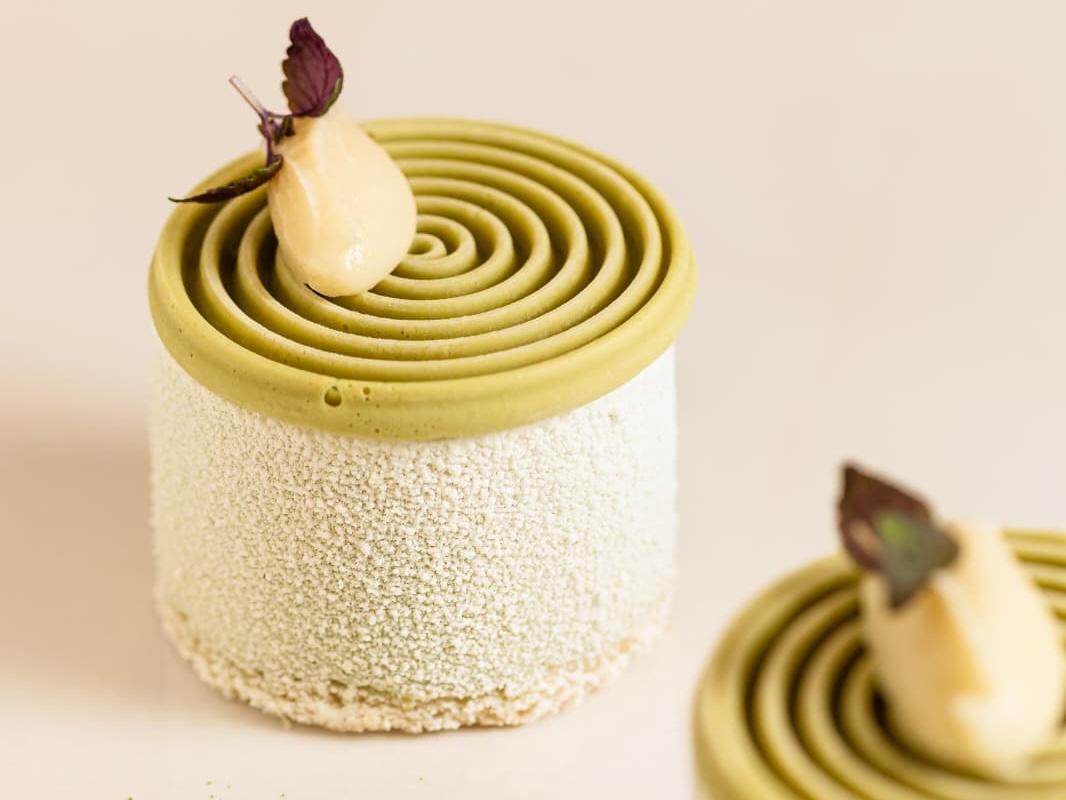
Customer · January 21, 2026
How Benevola in Barcelona uses Culinary Matcha
In today’s innovative pastry landscape, matcha is much more than a trendy color and when used thoughtfully, it can enhance flavor, visual appeal, and brand differentiation in premium desserts.
Insights · April 13, 2026
Flavour Pairing Guide: What Works (and Doesn’t) with Matcha
Matcha has moved beyond traditional tea ceremonies and into cafés, bakeries, and product lines across the globe. Whether you’re developing beverages, desserts, or retail-ready goods; understanding how matcha behaves in flavor pairings is essential.
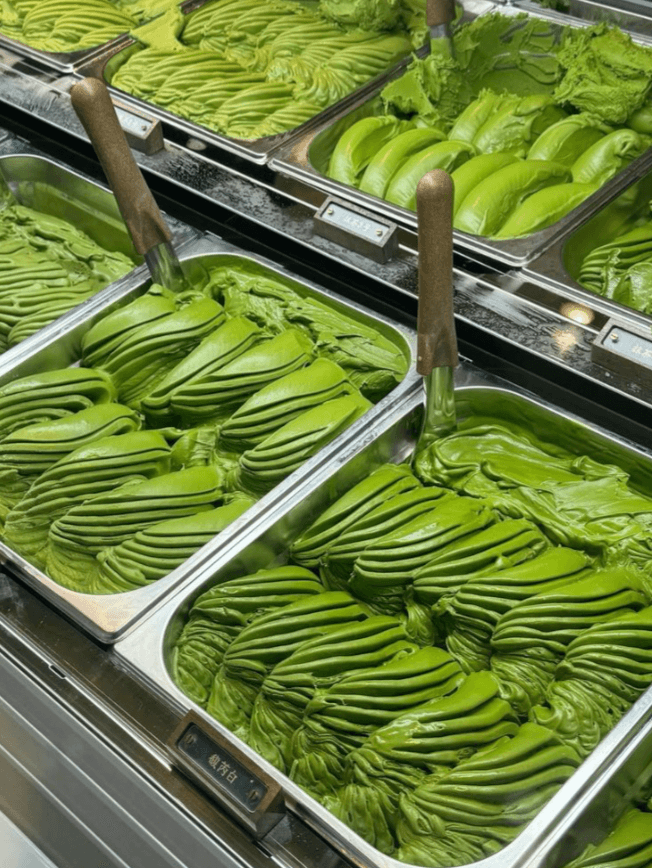
News · March 2, 2026
Matcha: A Functional Flavour Maker
For years, matcha has been positioned primarily as a superfood that is celebrated for antioxidants, L-theanine, chlorophyll, and slow-release caffeine. While those functional benefits are well established, defining matcha purely through a wellness lens misses its broader impact.
Insights · February 1, 2026
How to Choose Matcha for Functional Beverages
This guide walks through the key considerations when selecting matcha specifically for functional beverage applications, from grade to processing, origin, and application fit.
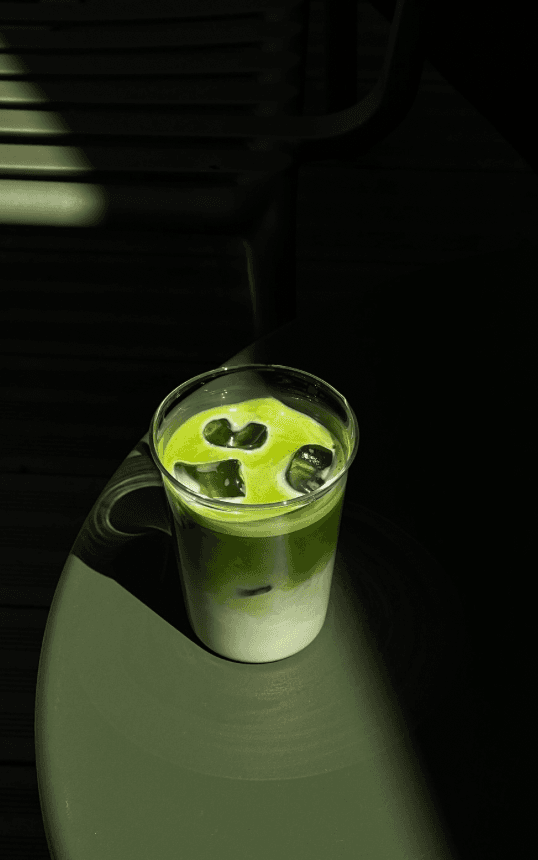
Insights · May 1, 2026
The Future of Matcha in Global Food & Beverage
A few years ago, matcha was still seen as a niche product outside Japan and mostly tied to traditional tea ceremonies or specialty cafés. Today, it’s everywhere. From chain cafés and bottled drinks to desserts, bakery products, wellness supplements, and even cocktails, matcha has become one of the most adaptable ingredients in modern food and beverage.
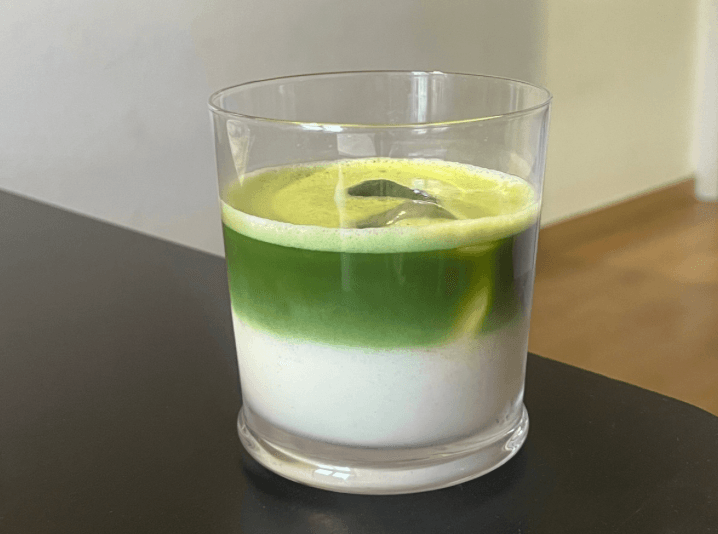
Insights · April 2, 2026
Organic vs Conventional Matcha: What Color Really Tells You
If you’ve sourced matcha globally, you’ve probably noticed the following: Some matcha is a deep, almost neon green, while others, especially organic, appear slightly softer, more muted in tone. At first glance, brighter might seem better. But color doesn’t always mean quality, and in some cases, it reflects something else.
Taste it first
Tell us what you are making — we put together a custom sample pack and ship it within 2 days.