




Flavour Pairing Guide: What Works (and Doesn’t) with Matcha

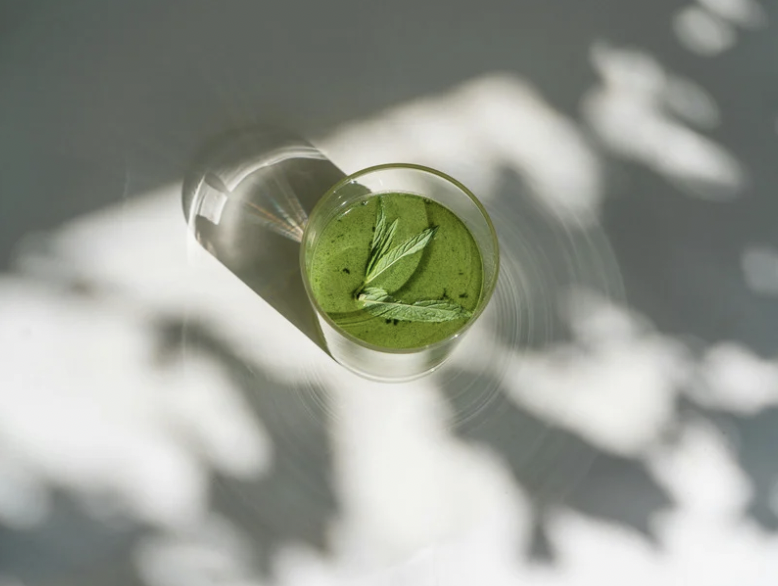
Flavor Pairing Guide: What Works (and Doesn’t) with Matcha
Matcha has moved beyond traditional tea ceremonies and into cafés, bakeries, and product lines across the globe. Whether you’re developing beverages, desserts, or retail-ready goods; understanding how matcha behaves in flavor pairings is essential. Done right, it creates memorable, premium experiences. Done poorly, it can taste flat, bitter, or simply confusing.
This guide breaks down what consistently works with matcha and what tends to miss the mark, so you can develop products that stand out.
Developing a matcha beverage or food product? Use the pairings below as a starting point, then request samples for your formulation and share your application and expected volume. We can help you compare grades for the finished product.
Understanding Matcha’s Flavor Profile
Before pairing, it’s important to understand what you’re working with.
Matcha typically delivers:
- Umami richness
- Natural sweetness
- Mild bitterness
Because matcha is both delicate and complex, it can either harmonize beautifully or clash hard depending on what you combine it with.
What Works with Matcha
1. Dairy & Creamy Bases
Milk-based products are one of the most reliable pairings.
Why it works:
Fat softens matcha’s bitterness and enhances its natural sweetness and umami.
Applications:
- Matcha lattes (dairy or plant-based)
- Ice cream and gelato
- Cheesecakes, custards, and panna cotta
Tip: Oat milk and coconut milk are especially popular in modern menus due to their natural sweetness and texture.
2. Sweet, Neutral Flavors
Subtle sweetness allows matcha to shine without competition.
Best pairings:
- Vanilla
- White chocolate
- Honey
- Maple syrup
Applications:
- Matcha cookies and pastries
- White chocolate matcha bars
- Syrups and ready-to-drink beverages
3. Citrus (in Moderation)
Citrus can elevate matcha when used carefully.
Why it works:
Acidity brightens matcha’s grassy notes and cuts through its richness.
Best options:
- Lemon
- Yuzu
- Orange (lighter use)
Applications:
- Matcha lemonades
- Citrus-matcha cakes
- Sparkling matcha beverages
Watch out: Too much acidity can overpower matcha and make it taste thin.
4. Fruits (Light & Fresh)
Fruits that aren’t overly sweet or acidic pair best.
Top choices:
- Strawberry
- Raspberry
- Mango
- Peach
Applications:
- Smoothies
- Layered desserts
- Yogurt-based products
These combinations are especially popular in visually driven products (important for retail appeal).
5. Nuts & Roasted Flavors
Nutty notes complement matcha’s earthiness.
Best pairings:
- Almond
- Pistachio
- Sesame (especially black sesame)
Applications:
- Matcha nut spreads
- Baked goods
- Premium snack products
6. Floral Notes
Delicate florals can enhance matcha’s aromatic profile.
Good matches:
- Jasmine
- Rose
- Lavender (light use)
Applications:
- Specialty teas
- Syrups
- High-end desserts
7. Other Tea Notes
Combining other tea notes creates a delicate and unique flavour, enhancing one another.
Good matches:
- Earl Grey
- Rooibos
- Oolong
Applications:
- Latte
- Usucha
- High-end desserts
What Doesn’t Work (or Needs Caution)
1. Strong, Bitter Ingredients
Combining matcha with other bitter flavors often amplifies harshness.
Examples to avoid:
- Dark chocolate (high cocoa %)
- Strong coffee
- Charred or heavily roasted flavors
Result: Overpowering bitterness and loss of balance.
2. Heavy Spices
Bold spices can dominate matcha’s subtle profile.
Risky pairings:
- Clove
- Cumin
- Heavy cinnamon blends
Exception: Light spice blends (like mild chai) can work if carefully balanced.
3. High Acidity Overload
Too much acid destabilizes both flavor and texture.
Problematic pairings:
- Strong vinegar-based flavors
- Highly acidic fruits (e.g., pineapple in large amounts)
Formulation Tips for Product Developers
- Start with quality matcha: Pairings won’t fix poor raw material.
- Balance is everything: Matcha should be present, not hidden.
- Test across formats: A pairing that works in a latte may fail in baked goods and the other way around.
- Consider color stability: Some ingredients (like citrus) can dull matcha’s vibrant green.
- Adjust sweetness carefully: Too little = bitter; too much = masked flavor.
Trend-Driven Pairings to Watch
For companies looking to innovate, these combinations are gaining traction:
- Matcha + coconut + mango (tropical profiles)
- Matcha + pistachio (premium dessert segment)
- Matcha + strawberry (visual + flavor appeal)
- Matcha + yuzu (modern, upscale beverage market)
- Matcha + earl grey (refined and unique profile)
Final Thoughts
Matcha is very versatile. Its complexity appreciates thoughtful pairing and careful formulation. For brands, mastering these combinations can elevate your offerings from “just another matcha product” to something memorable.
If you’re developing a new product line or refining an existing one, the key is simple: respect the ingredient, and build around it.
Developing a matcha food or beverage product?
See how we support food and beverage brands with matcha ingredients for RTD drinks, food products and functional formulations. Organic and conventional options are available from 5 kg with relevant batch documentation.
We are available to give you the best advise on the best matcha for your company's industry
.avif)
.avif)
.avif)
.avif)




.png)
.avif)