

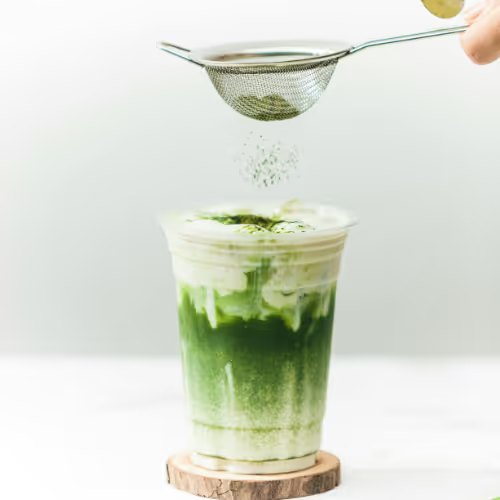
To add matcha to a café menu, start with two or three drinks (a hot matcha latte, an iced matcha latte and one signature drink), use a latte-grade (premium) matcha for everyday lattes and keep ceremonial matcha for straight matcha and signature serves, weigh 2–3 g per drink, dissolve it in a little water before the milk goes in, store opened powder airtight and cool, and work with a matcha supplier who sends samples, keeps batches consistent and can tell you where every lot comes from. This guide walks through each step for coffee shops, from the first menu to the first wholesale order.
Which matcha drinks to put on your café menu
Most cafés do best with a short matcha menu that runs on one or two powders. Every extra drink adds training, a recipe card and stock to manage, so start small and add once the core drinks sell.
A good starting line-up covers hot, iced and one drink that only you serve. Seasonal specials and flavour twists can follow later: our 7 trending matcha drinks and the flavour pairing guide are a good source of ideas.
- Matcha latte (hot): the drink most customers ask for first; works with dairy and plant-based milk.
- Iced matcha latte: often the bestseller in warm months and with younger guests.
- Straight matcha: matcha whisked with water only, for guests who want the pure taste; this is where a ceremonial grade shows its quality.
- One signature drink: for example matcha with a fruit layer, a cold foam or a seasonal syrup.
- A low-caffeine option: a hojicha latte uses the same workflow and gives evening and caffeine-sensitive guests a reason to order.
Match the matcha grade to the drink
The biggest mistake cafés make is using one grade for everything. Milk, ice and syrup change how matcha tastes, so the grade should follow the drink, not the other way round. Our guide to matcha grades explains the differences in detail; for a café menu it comes down to this:
- Ceremonial matcha: straight matcha, signature lattes and premium serves where colour and a smooth, sweet umami finish are the point.
- Latte-grade (premium) matcha: everyday hot and iced lattes; strong enough to come through milk, with good colour and a cost that suits daily volume.
- Culinary matcha: frappés, smoothies, sweetened drinks, bakery and desserts, where sugar and other flavours carry the drink.
Recipes and ratios: weigh, don't scoop
Matcha is not extracted like espresso: the whole leaf powder ends up in the cup, so the dose decides colour, flavour and cost per drink. Write one build chart per drink, weigh the powder on a bar scale and train every barista on the same numbers.
As a starting point for a 240–300 ml latte: 2–3 g matcha, 30–50 ml hot water (not boiling) to dissolve it, then 170–220 ml milk. Iced drinks need a slightly higher dose because ice dilutes the flavour; straight matcha uses around 2 g with 120–180 ml water. The full set of recipes, including strong and iced versions, is in our matcha ratio guide for cafés.
Bar workflow: whisk, shaker or frother
Dry powder dropped straight into milk clumps. Always dissolve matcha in a small amount of water first, then add milk. How you do that depends on your volume and your concept.
A bamboo whisk gives the best texture and looks good at the bar, but it is slower and takes training; read should you hand-whisk matcha in your café? before you decide. For busy service, a matcha shaker or an electric frother gives a smooth, clump-free base in seconds and the same result from every barista. Sifting the powder first helps with every method. More bar tips are in Barista 101.
Storage and ordering rhythm
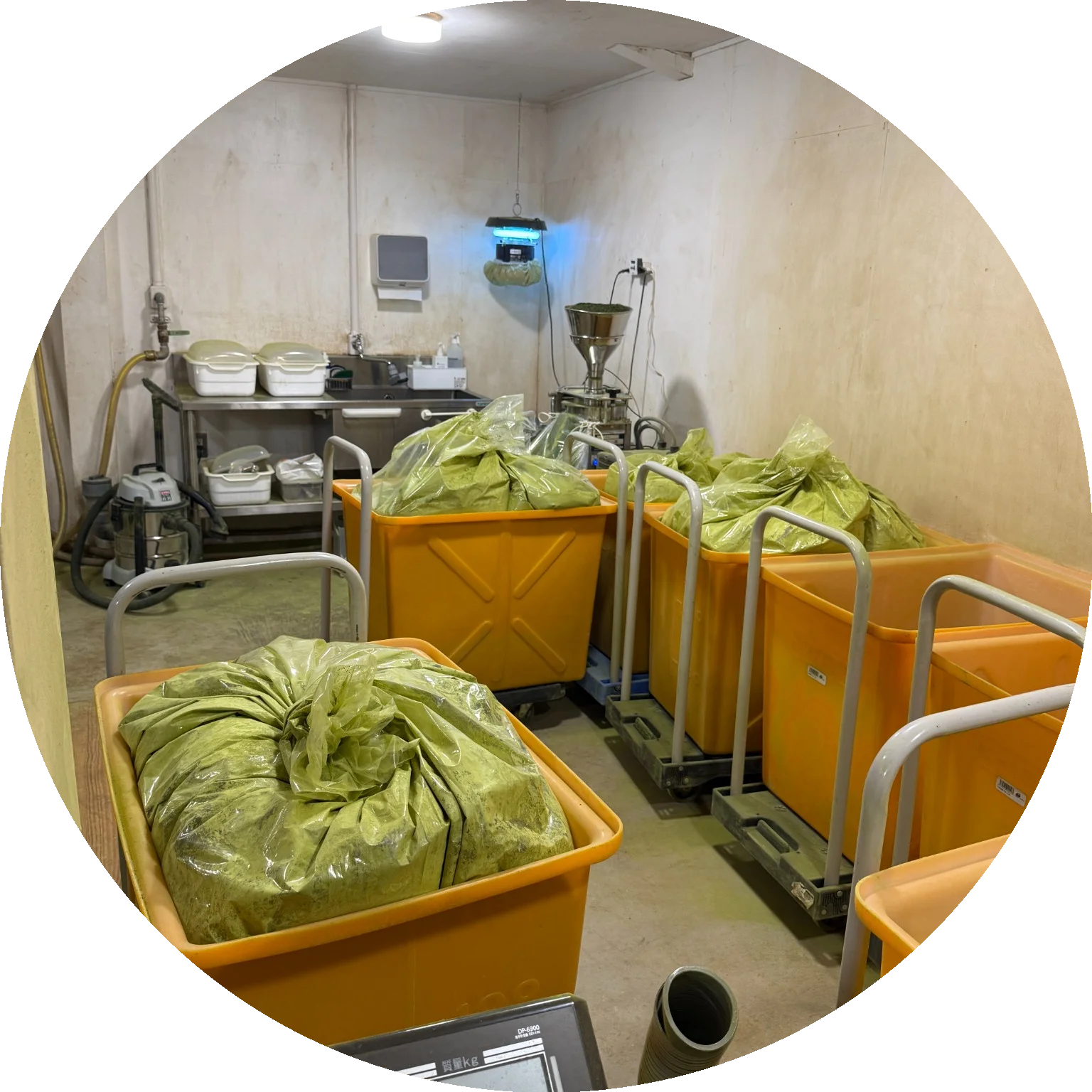
Matcha loses colour and flavour when it meets air, light, heat and moisture. Keep stock sealed and cool, open one bag at a time, decant a day's use into a small airtight, opaque container at the bar and keep the rest away from the espresso machine. Order in quantities you will use while the powder is still fresh rather than as much as possible at once. The details are in how to store bulk matcha in a café.
Costing a matcha drink without guesswork
Because you weigh every dose, the cost of a matcha drink is easy to calculate. Work it out per drink before you set your menu price, and again whenever a supplier price or a recipe changes.
- Matcha per drink: grams per drink × your price per gram. A 1 kg bag gives roughly 400 drinks at 2.5 g, or about 330 at 3 g.
- Milk per drink: millilitres per drink × your price per litre (plant-based milks usually cost more, so cost them separately).
- Sweetener, syrup or toppings, if they are part of the build.
- Cup, lid and straw for takeaway and iced drinks.
- Waste: a small allowance for test drinks, training and spills.
How to choose a matcha supplier for your café
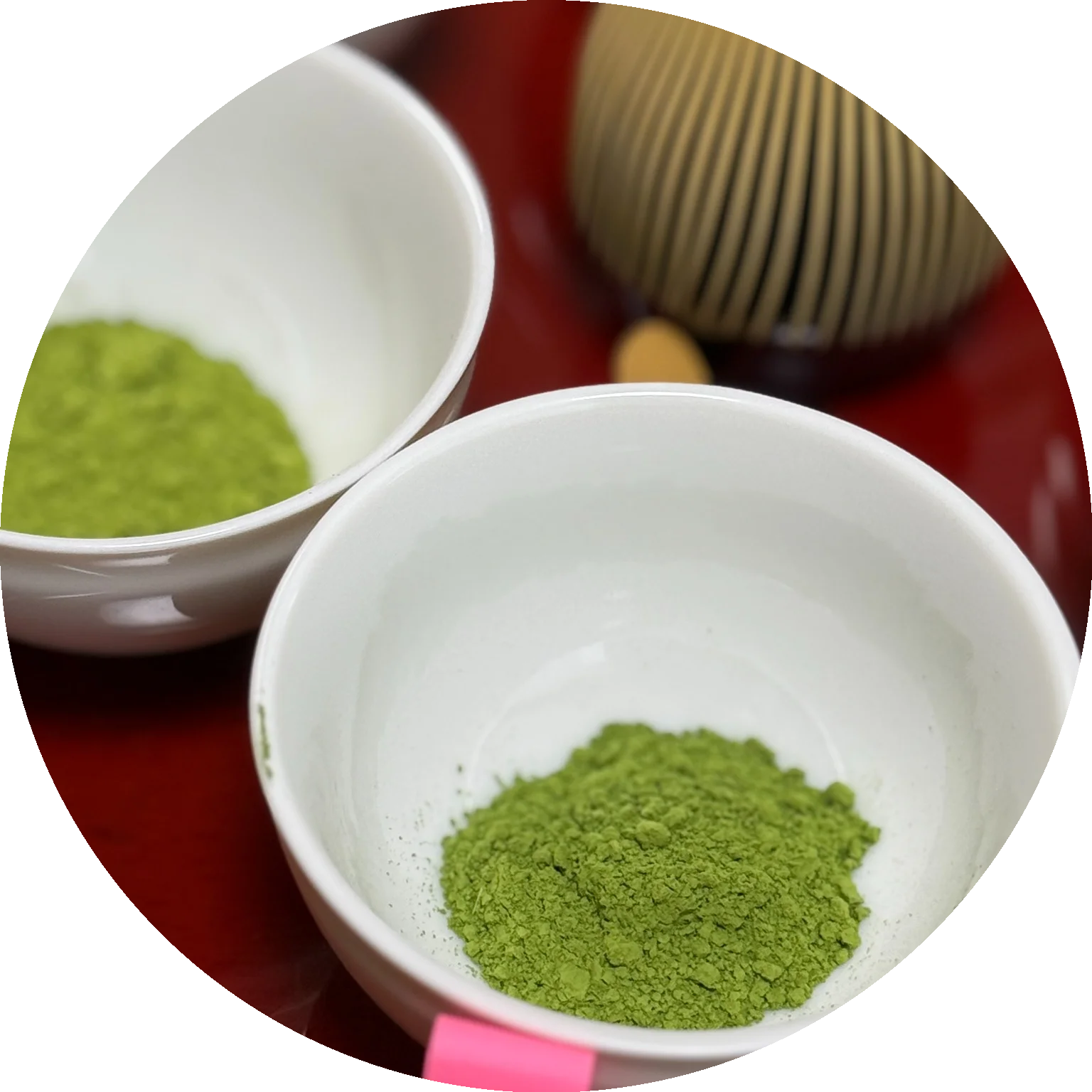
If you are opening a coffee shop or adding matcha to an existing one, look for a wholesale matcha supplier that works with cafés, not only with retail shoppers. Ask for samples of two or three grades and test them with your own milk and recipes before you order. Check that the colour and taste stay the same from one order to the next, that the supplier can tell you the origin (Japan or China) and grade of every lot, that pack sizes fit your volume, and that someone can help with recipes and staff questions.
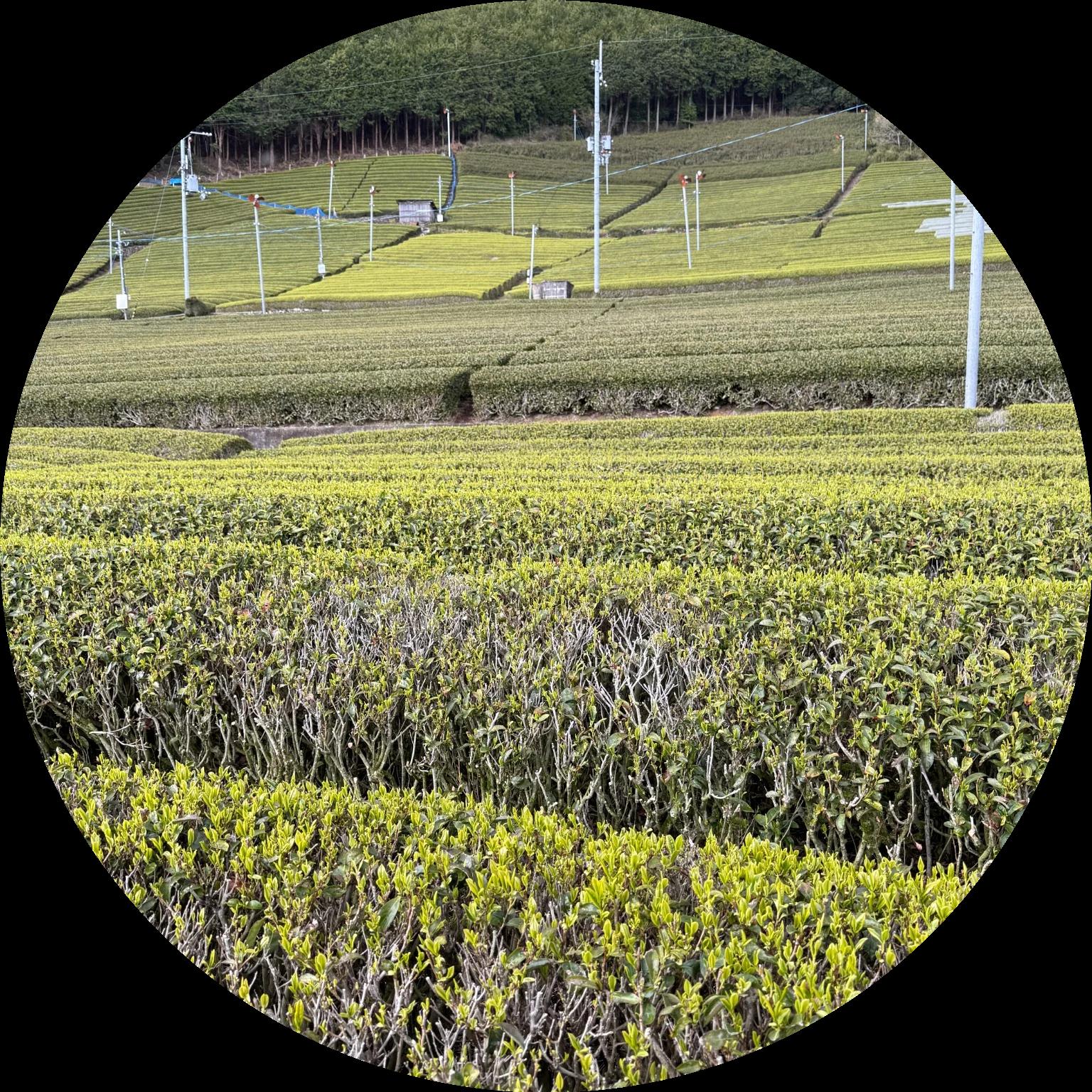
Pure Matcha Partners supplies cafés, coffee shops and hospitality groups with ceremonial, latte-grade and culinary matcha, hojicha and mulberry powder. We work with growers in Japan and China and manage supply at origin, so a café gets the same grade order after order. See wholesale matcha for cafés and hospitality, or contact us with your expected volume and the drinks you plan to serve, and we will suggest grades to sample.