




Matcha vs Hojicha

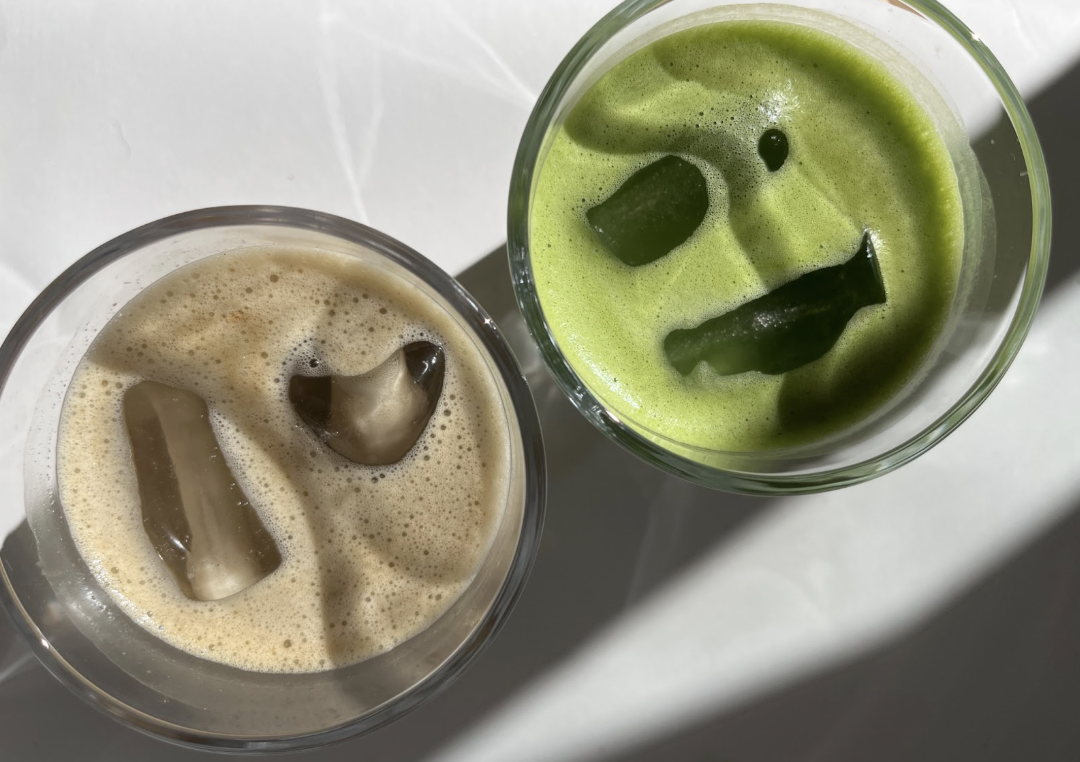
Matcha vs. Hojicha: Understanding the Differences, Benefits & Best Uses
When exploring the world of Japanese tea, two names stand out for their unique flavor, history, and versatility: matcha and hojicha. While both come from the Camellia sinensis plant, their production methods, flavors, and uses couldn’t be more different. For cafés, culinary brands, and retailers, understanding these differences is essential for choosing the right grade. Whether you're offering premium ceremonial matcha or introducing roasted hojicha powder for lattes and baking, here’s everything you need to know.
What Is Matcha?
Matcha is a stone-milled green tea powder made from shade-grown tea leaves.
The shading process boosts chlorophyll and amino acids (especially L-theanine) giving matcha its signature vibrant color, natural sweetness, and umami depth.
How Matcha Is Made
- 3-4 weeks shading before harvest
- Leaves are steamed, air-dried, and de-stemmed into tencha
- Tencha is slowly stone-milled into a fine powder
Flavor Profile
- Bright, green, creamy
- Notes of umami, fresh grass, cacao, or steamed greens
- Naturally sweet with balanced bitterness depending on cultivar
Best Uses:
- Ceremonial tea preparation
- Matcha lattes
- Smoothies & wellness drinks
- Premium baking (cookies, cakes, financier, buttercream)
- Ice cream & confections
What Is Hojicha?
Hojicha is a roasted Japanese green tea, typically made from bancha, sencha, or kukicha (stem tea).
Its signature reddish-brown color and toasty aroma come from the roasting process.
Increasingly, hojicha is also ground into a fine powder for easy use in lattes and desserts.
How Hojicha Is Made
- Green tea leaves are steamed
- Then roasted at high temperatures
- Leaves or stems may be used
- Optional: milled into hojicha powder
Flavor Profile
- Warm, roasted, nutty, caramel-like
- Low bitterness
- Naturally caffeine-light due to roasting
Best Uses
- Hojicha lattes
- Gelato & ice cream
- Tiramisu & cheesecakes
- Baked goods (brownies, cookies, chiffon)
- Tea blends and RTD beverages
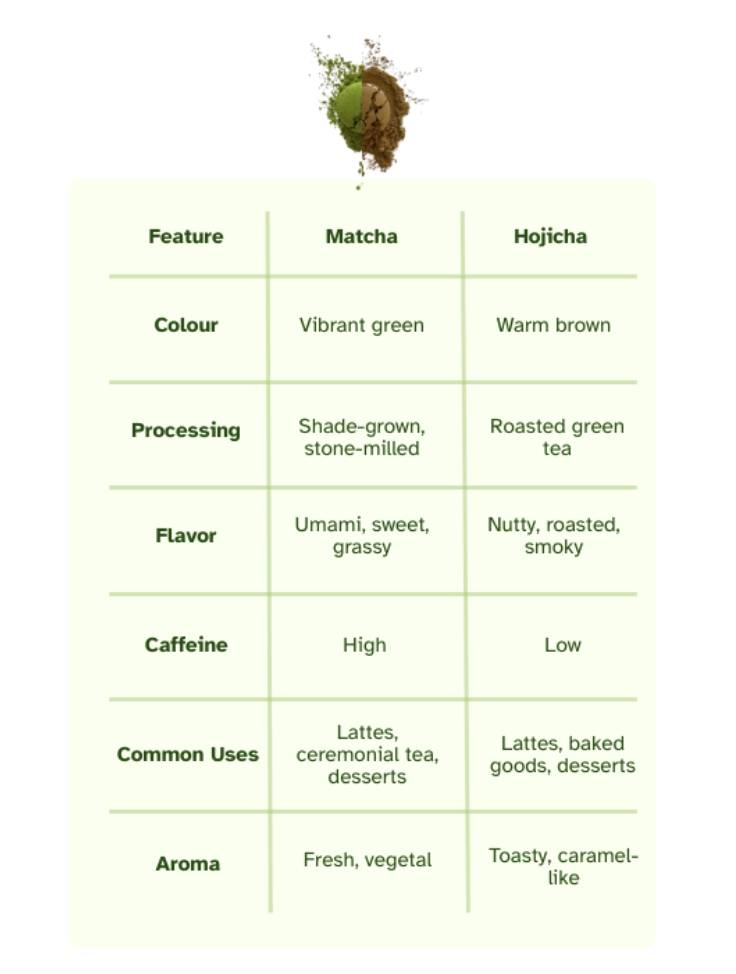
Which One Should You Choose?
Choose Matcha If You Want:
- A premium, antioxidant-rich superfood
- Vibrant green products
- High-caffeine beverages
- A luxurious or ceremonial aesthetic
Choose Hojicha If You Want:
- A unique roasted flavor profile
- Caffeine-light options for all-day menus
- Warm, cozy seasonal drinks (popular in fall/winter)
- A versatile ingredient for darker baked goods
Most cafés and retailers benefit from carrying both, as they appeal to different consumer moods and times of day.
Market Trends:
Why Both Are Growing
Matcha
- Continues to lead health-focused beverages
- Demand for single-origin and cultivar-specific matcha is rising
- Popular in high-end cafés, wellness bars, and luxury dessert brands
Hojicha
- Rapidly growing in Western markets
- Gaining popularity for its “coffee-adjacent” flavor but lower in caffeine
- Becoming a staple flavor in lattes, ice cream, and pastries
Final Thoughts
Matcha and hojicha are not competitors; they are complements. Each offers a distinct flavor experience and meets different customer needs. Whether you supply cafés, bakeries, or retail brands, having both teas in your catalog ensures you can support a wide range of beverage and culinary applications.
We are available to give you the best advise on the best matcha for your company's industry
.avif)
.avif)
.avif)
.avif)



.png)
.avif)