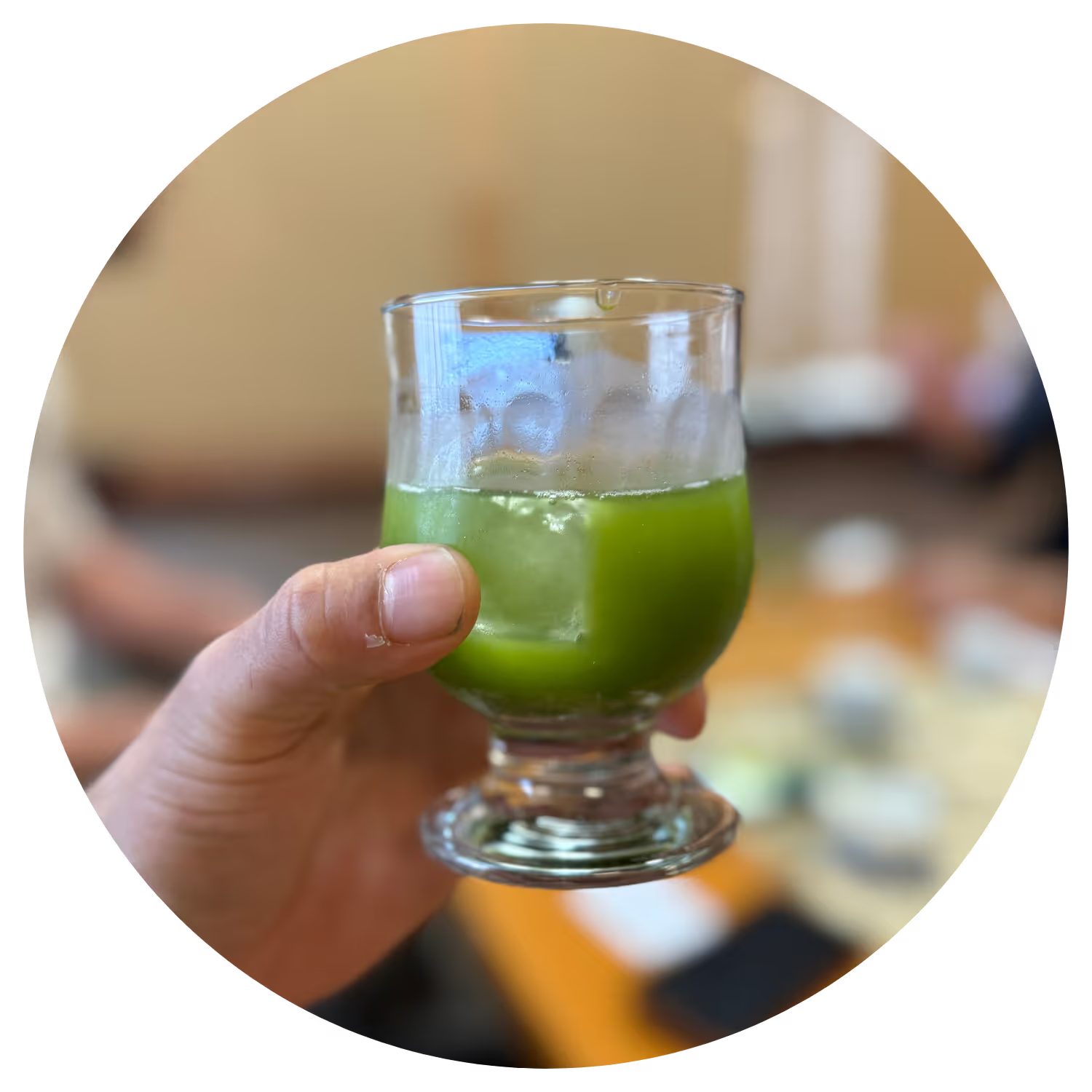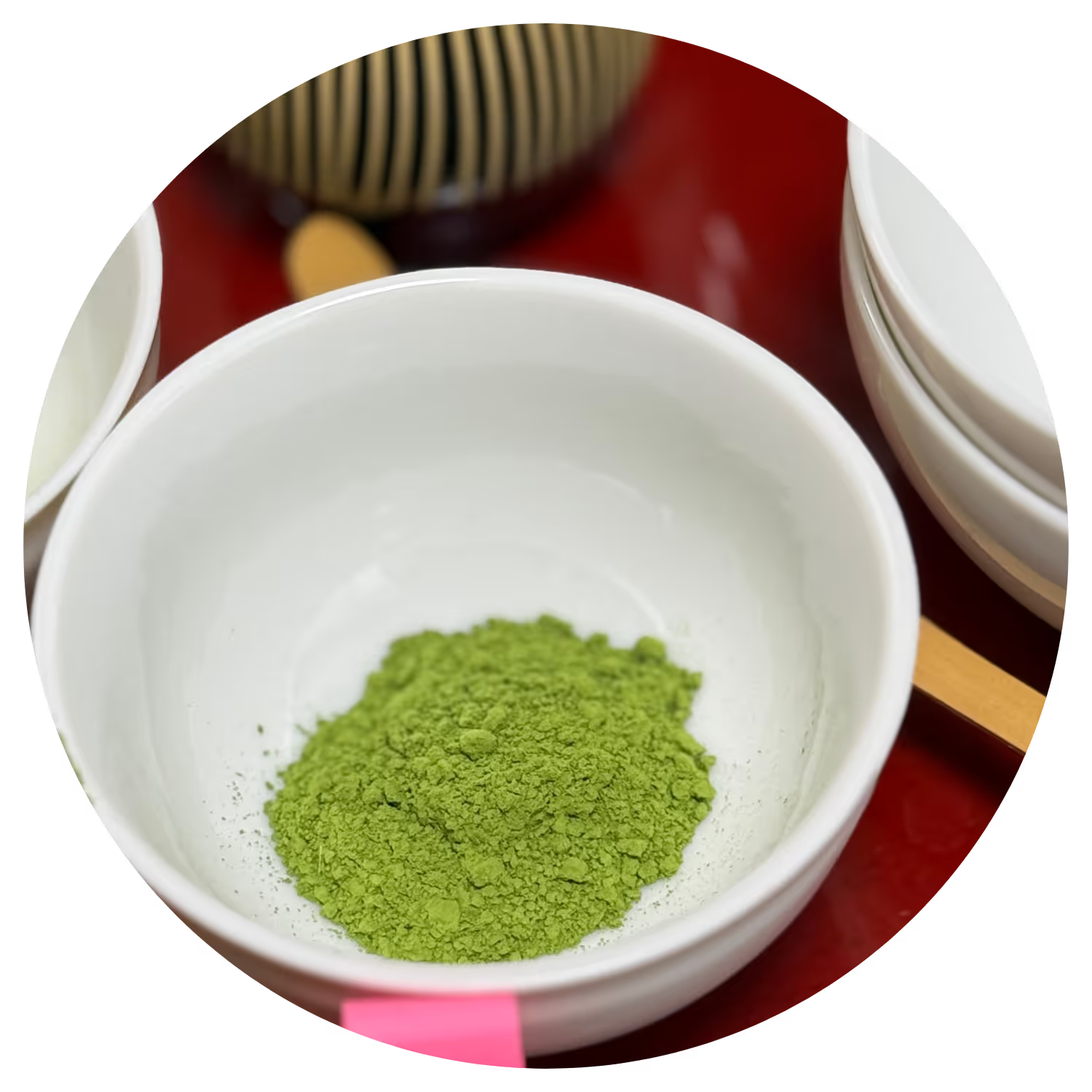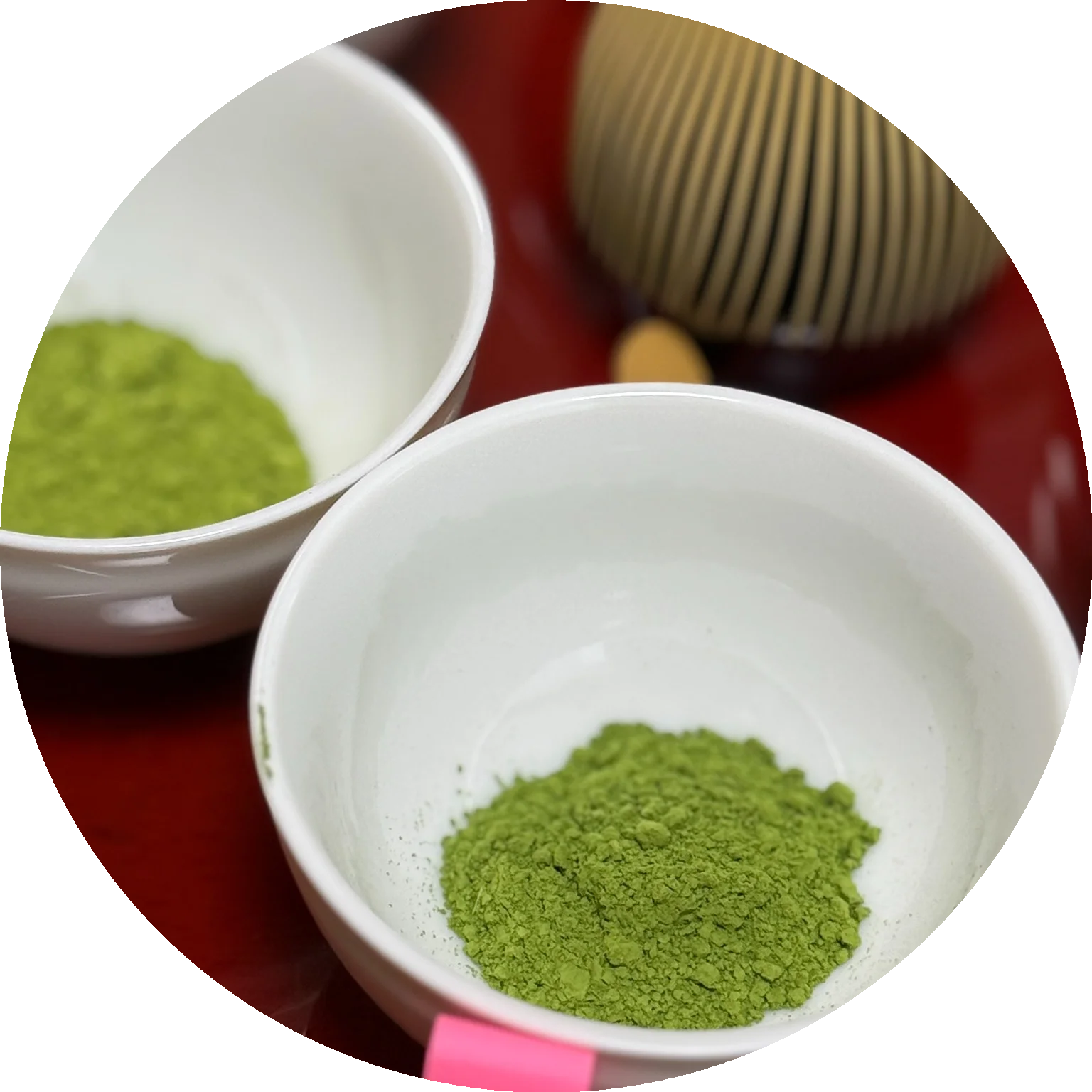


A hojicha latte is made by whisking 2–3 g of hojicha powder into 30–50 ml of hot water until smooth and pouring it over 170–220 ml of milk, hot or over ice. Hojicha is roasted Japanese green tea, so the drink tastes toasty, nutty and lightly sweet rather than grassy, and it is typically lower in caffeine than matcha. That makes it an easy second tea powder for a café that already serves matcha lattes.
Why hojicha works as a café latte
Hojicha is Japanese green tea that has been roasted, which turns the leaf from green to reddish-brown and changes the flavour from fresh and vegetal to warm, toasty and caramel-like. In powder form it behaves much like matcha at the bar: you whisk it, add milk and serve. If you are new to it, start with what hojicha is and how it compares with matcha.
For a café the appeal is practical. The roasted flavour sits comfortably in milk, it suits colder months and the afternoon, and it is typically lower in caffeine than matcha, so it gives guests who want a lighter drink a reason to order. It also uses the same tools and routine your baristas already know.
Hojicha latte ratio: grams per drink
As with matcha, you drink the whole powder, so the weight of hojicha sets the strength, not the amount of water. Start from these builds and adjust to your milk and cup size. Our own hazelnut maple hojicha latte uses 2.5 g of hojicha with 50 ml of hot water at about 75 °C and 150 ml of milk.
For other drinks, our matcha ratio guide explains the same logic in detail.
- Hot hojicha latte (240–300 ml): 2–3 g hojicha + 30–50 ml hot water + 170–220 ml milk
- Iced hojicha latte: 2.5–3 g hojicha + 40–50 ml hot water, poured over ice and 150–200 ml milk
- Signature hojicha latte: 3 g hojicha + 40–60 ml hot water + 180 ml milk, with a syrup or flavour of your choice
- Hojicha with water only: ~2 g hojicha + 120–180 ml hot water, for guests who want the tea on its own
Workflow at the bar
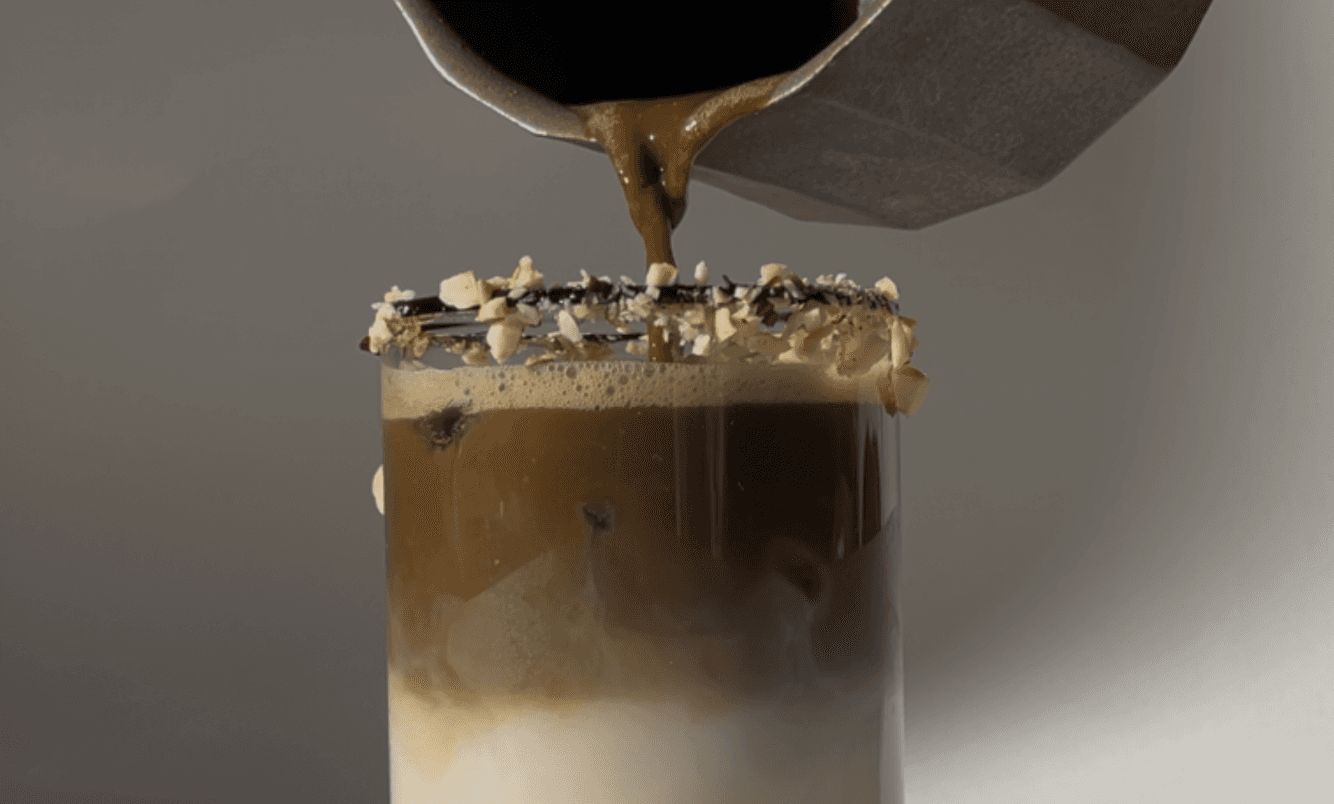
Weigh the powder rather than using a spoon, and sift it into a bowl or shaker to avoid lumps. Add the hot water, around 75 °C, and whisk until the mixture is smooth and slightly frothy. Then pour it into the prepared milk, or over ice and milk for an iced version. Pouring slowly over the ice gives the layered look that photographs well.
Write the dose into the build chart so every barista uses the same amount, and taste a finished drink at the start of each shift. Keep the opened powder airtight and cool; the same rules as in our guide to storing bulk matcha apply.
Choosing the hojicha powder for lattes
Not every hojicha powder is made for milk. For lattes, look for a fine powder that disperses smoothly, a roast that tastes warm and sweet rather than burnt or flat, and a supplier who can keep that profile the same from one delivery to the next. Test it in your own milk, because oat, whole milk and other plant-based milks each change how the roast comes across.
Ask for a sample from the lot you would actually receive, and for the specification that goes with it. Our bulk matcha buyer's checklist lists the same questions for any tea powder. You can see our range on the hojicha collection page.
Common mistakes with hojicha lattes
Most problems come from the same few habits, and each is easy to fix with a clear build chart:
- Under-dosing. A weak latte usually needs more powder, not less milk. Increase the grams first.
- Skipping the sift and whisk. Dry powder dropped into milk clumps and gives an uneven drink. Dissolve it in a little hot water first.
- Using water that is too hot. We use about 75 °C in our own recipes, which keeps the roasted sweetness clear.
- Over-sweetening to compensate. Extra syrup hides a flat powder and raises cost. Fix the dose or the powder instead.
- Inconsistent dosing between baristas. Weigh every drink and write the dose on the card.
Flavours and food that pair well
The roasted, nutty character of hojicha pairs with a wide range of flavours. Nuts such as hazelnut and almond, maple, caramel, brown sugar, vanilla, chocolate and warm spices like cinnamon and cardamom all work, which is why a hojicha latte is easy to turn into a seasonal or signature drink.
On the food side, it suits baked goods and desserts with a buttery or caramelised note: shortbread, financiers, brioche, croissants and nut-based pastries. Because hojicha powder is also used in baking and desserts, a café with a bakery counter can use the same ingredient across drinks and pastries.
Menu ideas and positioning
A hojicha latte can sit next to your matcha drinks as the warm, roasted alternative. Position it for the afternoon and evening, for guests who find matcha too grassy, and for the colder months. Once the base drink works, flavour builds are easy: the roasted notes pair well with nuts, maple, caramel and warm spices. Try our hazelnut maple hojicha latte or the hojicha chai latte for ready-made ideas.
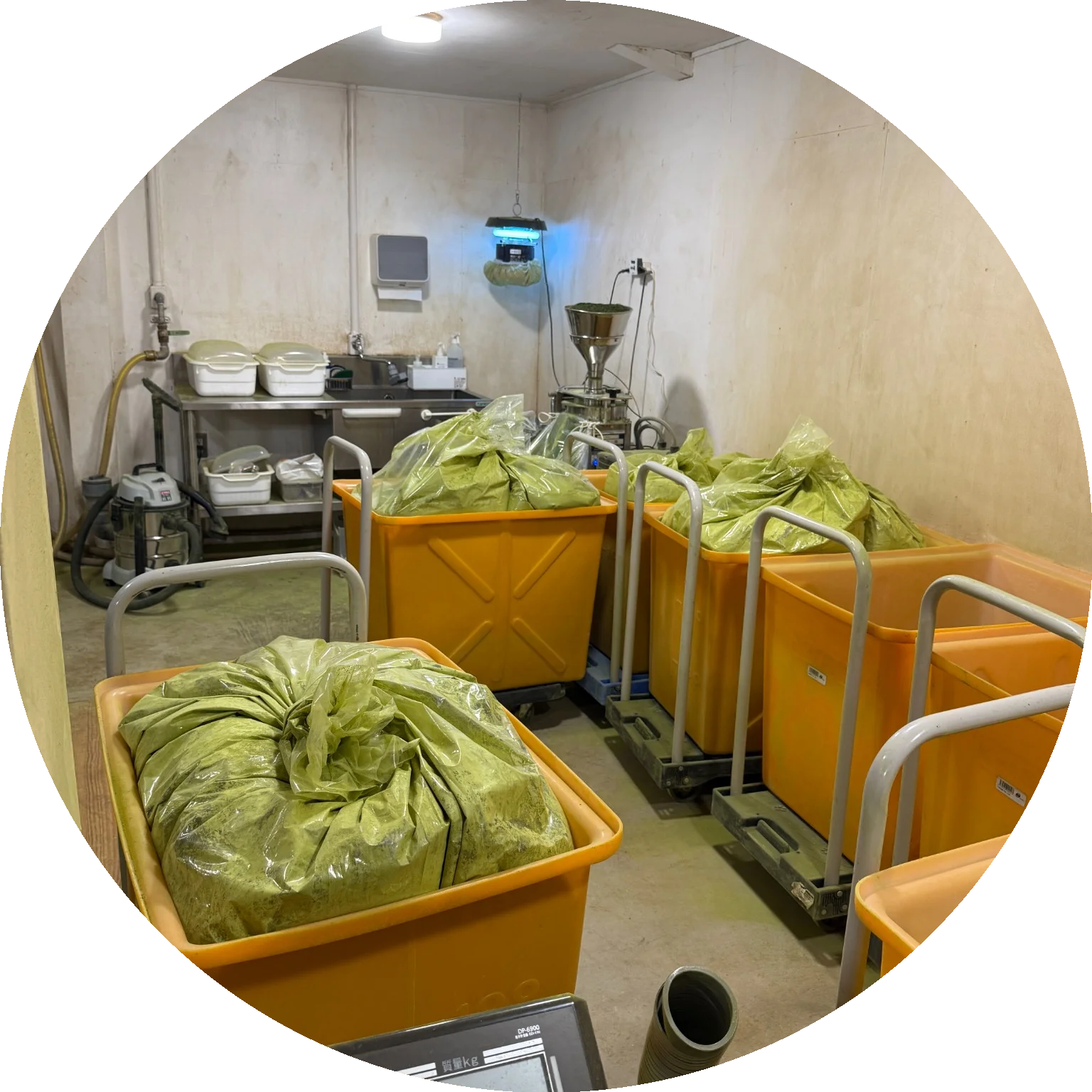
If you are building a wider tea powder menu, see how to add matcha to your café menu, then compare our wholesale matcha and tea powders for cafés and hospitality. To try hojicha in your own recipes, contact us and tell us your milk, drinks and expected volume. We work with growers and manage supply at origin, and we can recommend a powder and send samples.