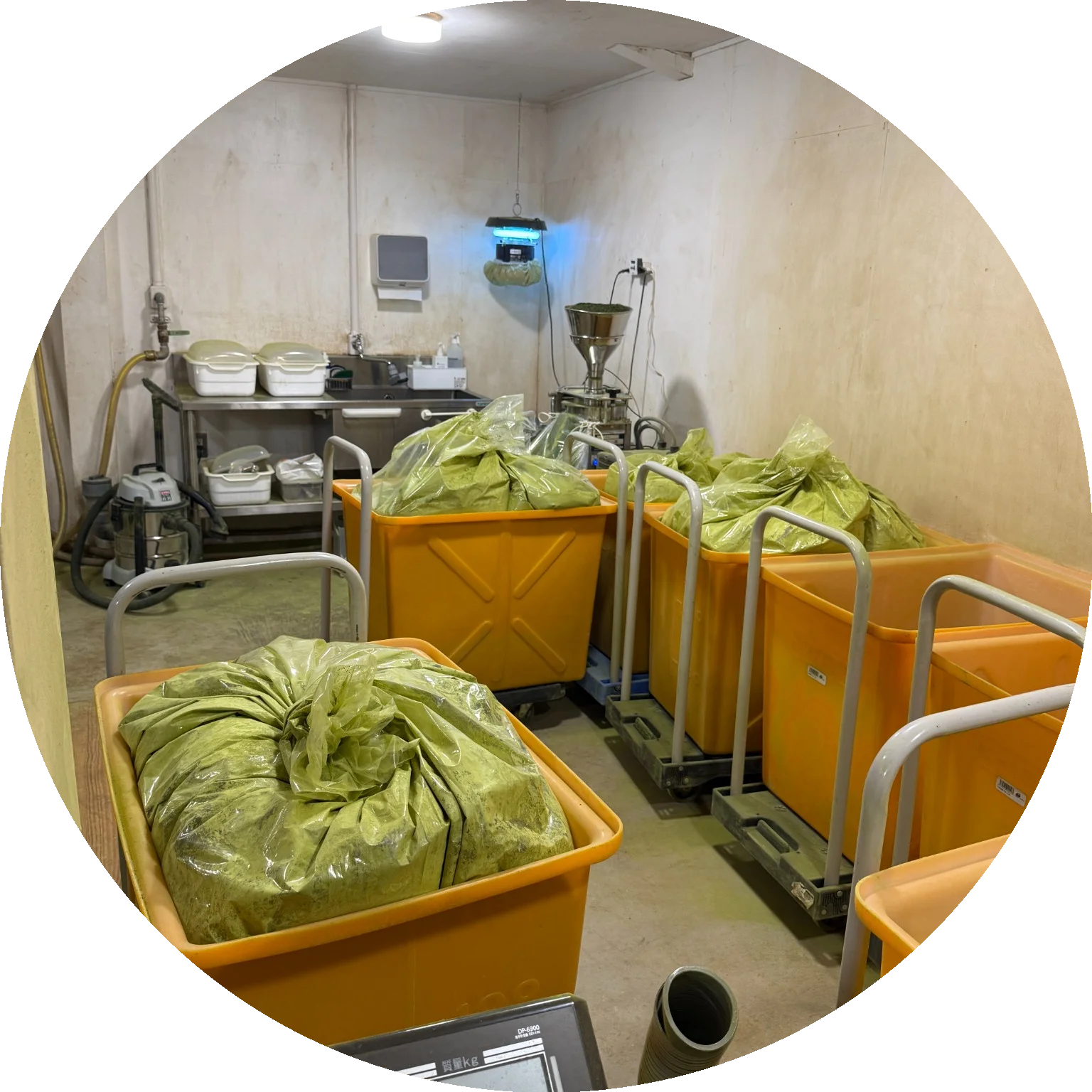



To buy bulk matcha well, decide first what the powder is for (lattes, straight matcha, baking or a product of your own), choose the grade that fits that use, ask every supplier for samples from the actual lot and for the paperwork that goes with it, and compare suppliers on consistency, origin transparency and service, not on the lowest quote. This checklist walks you through each step, whether you run a café, build a food and beverage brand or manufacture products with matcha in them.
What "bulk matcha" actually means
Bulk matcha is matcha bought in larger volumes than retail tins: foil pouches or bags of a kilo and up, often supplied as repeat orders to a business rather than one-off purchases. Buyers are usually cafés and bars, retailers, brands that sell matcha under their own label, and manufacturers who use it as an ingredient.
Buying in bulk changes what matters. A single tin is judged on taste in one cup. A bulk order is judged on whether the tenth delivery tastes, looks and performs like the first one, because your menu, your packaging and your customers depend on it.
Step 1: Decide the use before you compare matcha
The most common mistake is buying the "best" matcha for every purpose. The right matcha depends on the job it has to do. Our guide to matcha grades explains the differences in detail; in short:
- Lattes and milk drinks: a latte-grade matcha is built to hold its colour and flavour against milk and is the workhorse for most cafés.
- Straight matcha and signature serves: a ceremonial matcha shows its character in water alone.
- Baking, smoothies, ice cream and food production: a culinary matcha is made for recipes where matcha is one ingredient among many.
- Caffeine-lighter menu additions: hojicha is a roasted tea powder that works in the same drinks workflow.
Step 2: Ask the supplier the right questions
Most suppliers can describe their matcha. Fewer can document it. These questions separate the two quickly:
- Where does the matcha come from? Region and country of origin, and ideally the cultivar or blend. Read more about growing regions and the difference between Japanese and Chinese matcha.
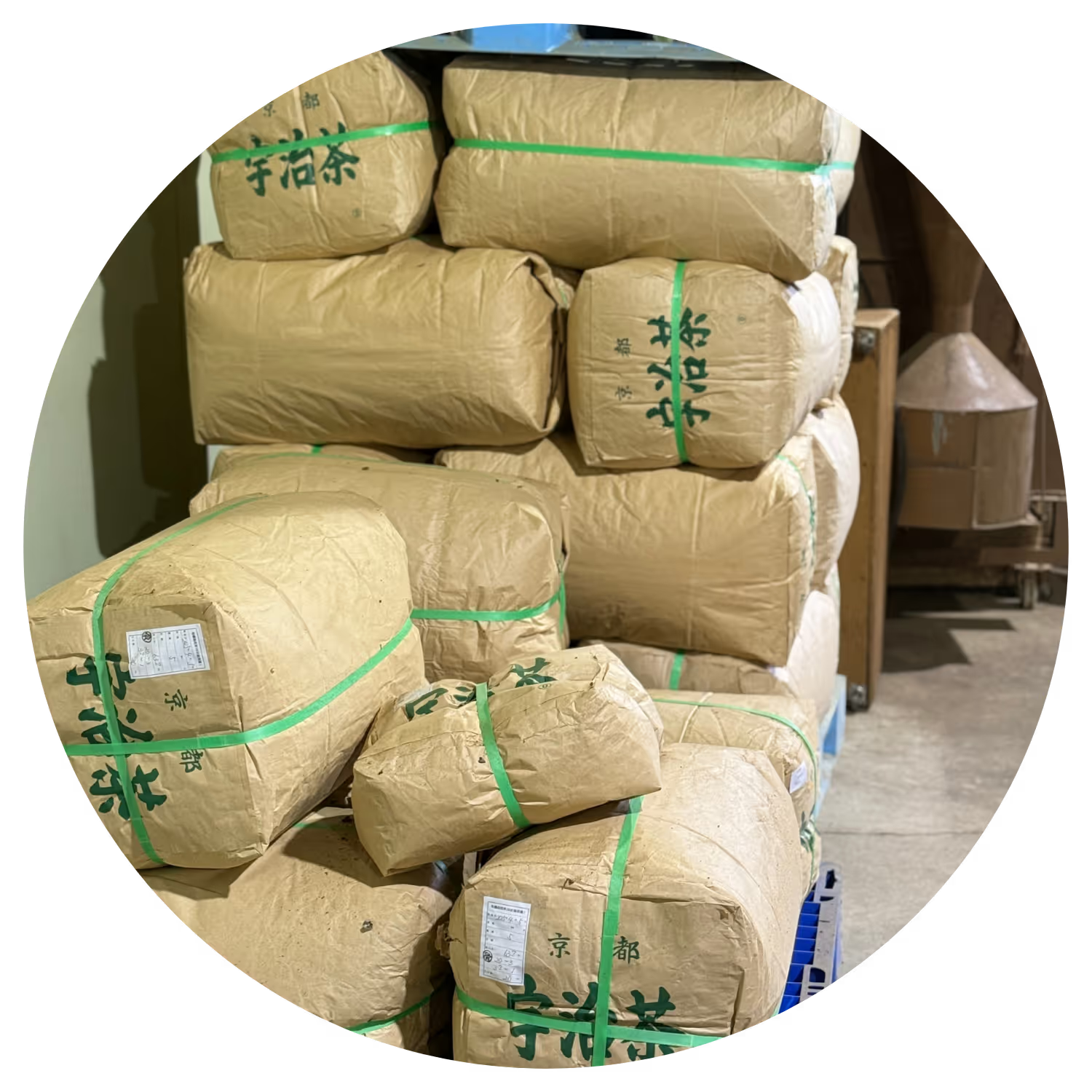
- How is the supply managed? A supplier who works directly with growers and manages supply at origin can explain what happens between the field and your delivery, and can plan around the harvest seasons.
- What documents come with an order? Ask for a specification sheet, a certificate of analysis where applicable, and the certifications that are relevant for your market, for example organic. Only rely on certificates the supplier can actually show you; our note on organic matcha for wholesale buyers explains what to check.
- Is the product consistent from batch to batch? Ask how the supplier keeps colour, flavour and particle fineness stable across repeat orders.
- What are the order terms? Minimum order quantity, packaging formats, lead times, shipping to your country and payment terms.
- Can you speak to a person? A supplier who answers technical questions in plain language before the sale will usually do the same after it.
Step 3: Judge quality yourself, with samples
A specification sheet tells you what a supplier promises. A sample tells you what arrives. Always ask for a sample from the lot you would actually receive, not a showpiece tin, and test it in the way you will use it.
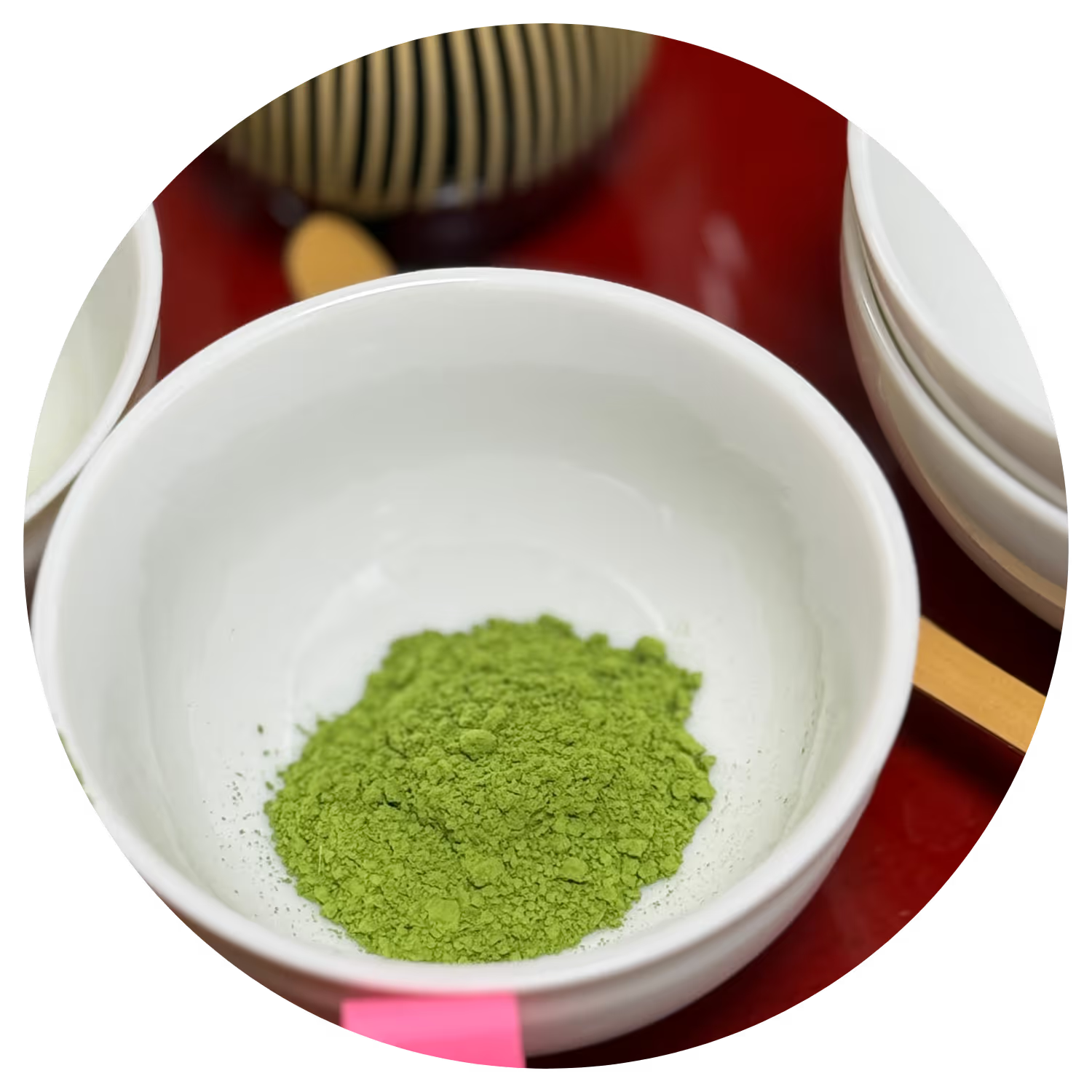
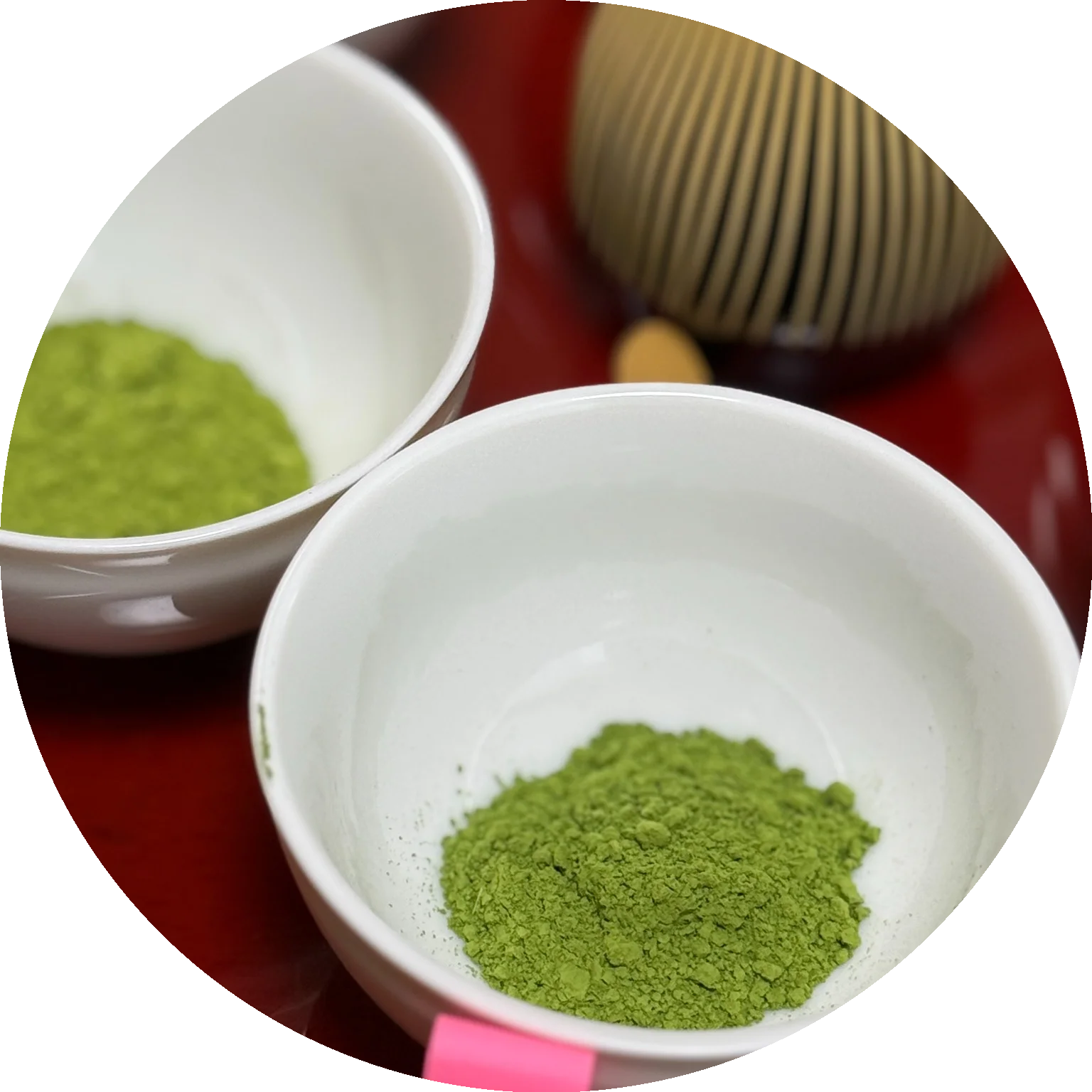
Look at the powder first. Good matcha has a vivid, even green and a very fine, smooth texture; a dull, yellowish or brownish tone and a gritty feel are warning signs. Then taste it: prepare it exactly as your recipe does, with the same water temperature, the same ratio and the same milk. Our matcha ratio guide gives starting points for grams per cup.
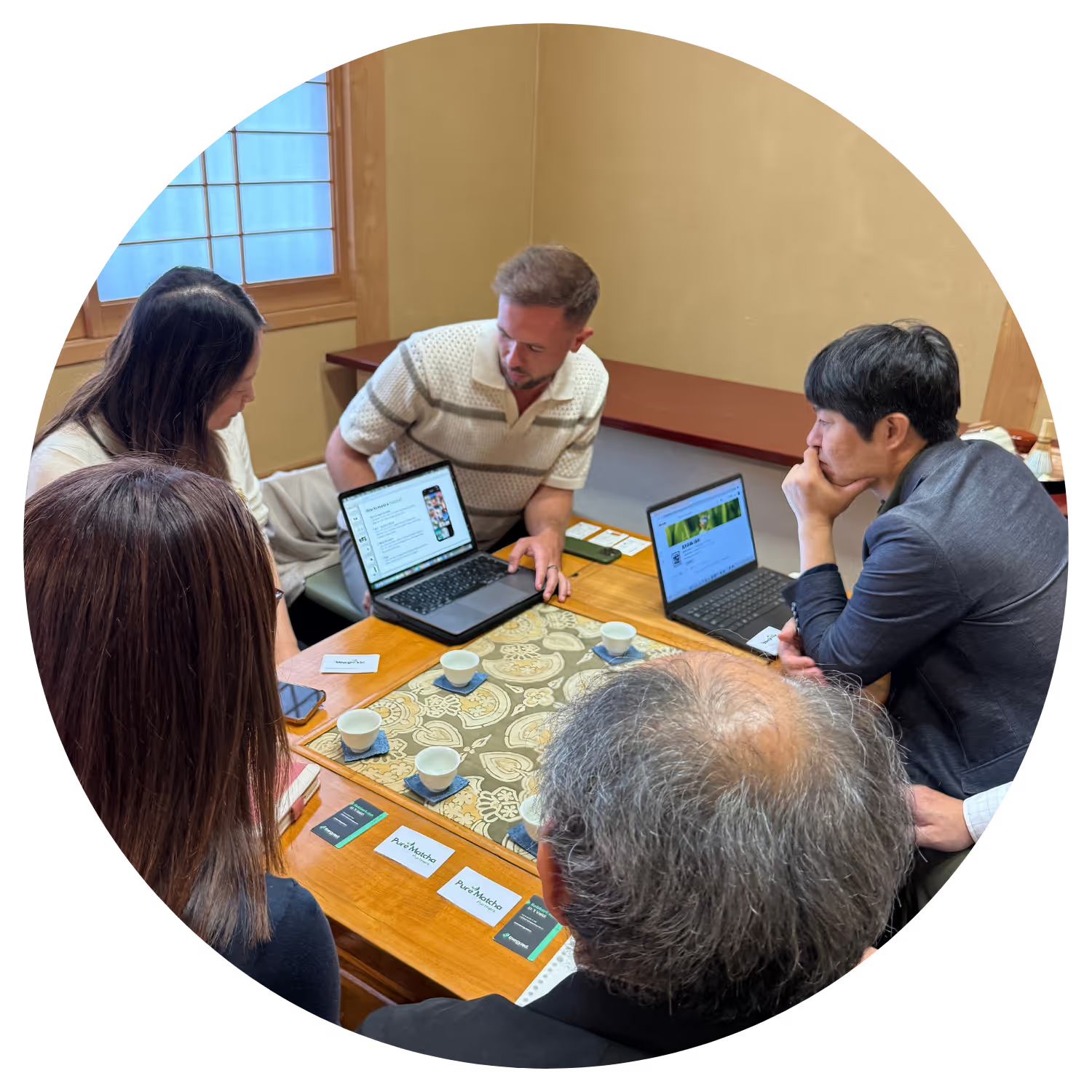
If you are comparing several suppliers, test them side by side on the same day, label the cups blindly and let your team choose. The matcha that still tastes good in a latte at the end of a busy shift is usually the right one.
Step 4: Plan packaging, storage and reordering
Matcha is a fresh, delicate powder. Light, heat, air and moisture all reduce quality over time, so a bulk order needs a storage plan before it arrives. Keep unopened bags in a cool, dark place, decant into smaller airtight containers for daily use and close the bag again straight after use. Our guide to storing bulk matcha covers the details.
Order sizes and frequency depend on how fast you use the powder. Ordering too much to save on freight leads to stale stock; ordering too little leads to gaps on the menu. A good supplier will help you find a rhythm and will tell you early if supply tightens, for example around the harvest.
Step 5: Match the service to your type of business
What you need from a supplier changes with your business model, and that is worth discussing up front:
- Cafés, bars and restaurants: reliable lead times, consistent latte-grade matcha and barista-friendly support. See wholesale matcha for cafés and hospitality.
- Brands that sell matcha under their own name: custom specifications, packaging and a steady supply for growth. See private label matcha.
- Food and beverage brands: matcha as an ingredient with a defined, repeatable profile. See matcha for food and beverage brands.
- Product developers and co-packers: technical specifications, particle size and documentation for production runs. See matcha for product developers and co-packers.
A short checklist before you place the first order
Use this list to compare suppliers on equal terms:
- The use is defined and the grade fits the use.
- Origin, cultivar or blend and harvest are stated clearly.
- Specification sheet and relevant certificates are provided on request.
- A sample from a real lot passed your own colour, texture and taste test.
- Order terms, packaging, lead time and shipping are clear in writing.
- You have a plan for storage and a reorder rhythm.
- There is a named contact who answers questions.
Talk to a supplier who manages supply at origin
At Pure Matcha Partners we work with growers and manage supply at origin, and we supply cafés, brands and manufacturers across Europe. If you tell us what the matcha is for, we can recommend a grade, send samples and talk through order terms. Contact us to start the conversation.