




The Rise of Low-Caffeine Alternatives


The Rise of Low-Caffeine Options in Hospitality and Why It Matters for Your Business
In recent years, hospitality operators have seen a clear shift in consumer behaviour: guests are becoming more intentional about their caffeine consumption.
From specialty cafés to premium hotels and wellness-focused restaurants, low-caffeine beverage menus are no longer niche but they are becoming a strategic revenue opportunity.
Understanding this can help businesses stay competitive, attract new customer segments, and diversify their menu offerings.
Why consumers are reducing caffeine intake
Today’s consumers are not necessarily eliminating caffeine but they are becoming more mindful about how much they consume and when.
Key drivers include:
- Sleep quality awareness
- Anxiety and stress management
- Hormonal health and wellness trends
- Late-day consumption habits
- Demand for functional beverages
As a result, many guests now look for afternoon and evening beverage options that provide flavour, ritual, and perceived health benefits without the intensity of coffee or traditional matcha.
For hospitality businesses, this creates a powerful opportunity.
The commercial opportunity of low-caffeine menus
Introducing low-caffeine options can help operators:
Extend beverage sales throughout the day
Many guests avoid coffee after midday. Offering appealing alternatives increases order frequency during slower afternoon and evening periods.
Attract wellness-driven customers
Consumers interested in health, mindfulness, and balanced lifestyles actively seek lower-stimulation beverage choices.
Increase menu differentiation
Low-caffeine beverages allow cafés and restaurants to stand out from competitors that rely heavily on coffee-centric menus.
Improve perceived menu innovation
Operators that adopt functional and wellness-aligned drinks are often viewed as more premium and forward-thinking.
Hojicha: A naturally low-caffeine Japanese tea with growing global demand
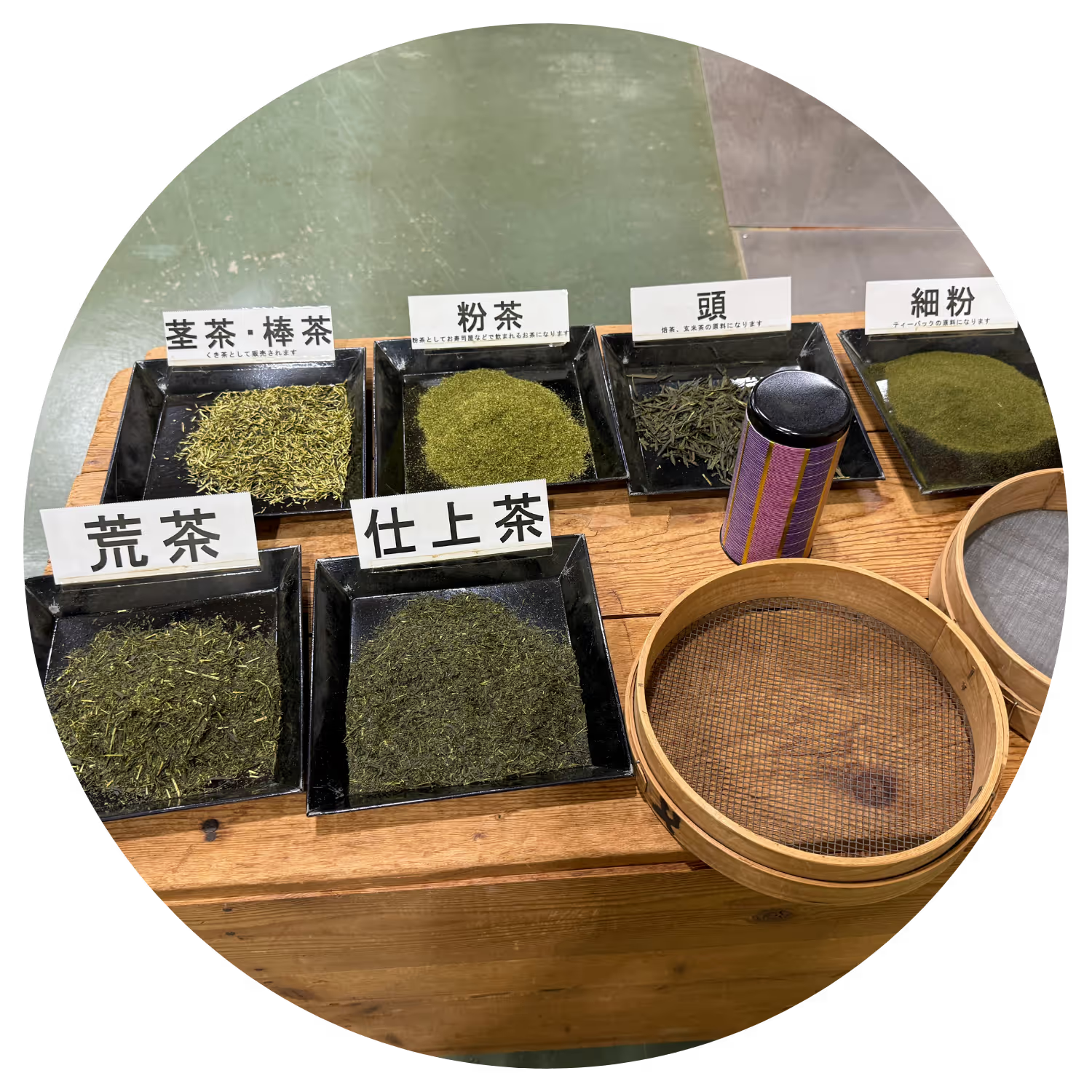
Hojicha is made by roasting green tea leaves, which significantly reduces caffeine levels while creating a warm, nutty, and slightly caramelised flavour profile.
For hospitality businesses, hojicha offers several advantages:
- Naturally low caffeine compared to matcha and coffee
- Highly versatile in lattes, iced drinks, desserts, and RTD concepts
- Unique roasted flavour that differentiates menus
- Excellent pairing with milk and alternative milks
- Strong visual and storytelling appeal
As global consumers become more familiar with Japanese tea culture, hojicha is increasingly positioned as a premium yet accessible low-caffeine option.
Mulberry Leaf Matcha: A functional, caffeine-free alternative
Mulberry leaf matcha is gaining traction as an innovative beverage ingredient that delivers the visual and experiential appeal of matcha but without caffeine.
Unlike traditional matcha, it is made from finely milled mulberry leaves and offers:
- Naturally caffeine-free formulation
- Mild, slightly herbaceous taste
- Functional positioning linked to wellness trends
- Suitable for evening consumption
- Strong appeal for health-focused consumers
For hospitality operators, mulberry leaf matcha enables the creation of “matcha-style” drinks that can be marketed as calming, balanced, or wellness-oriented alternatives.
This makes it particularly valuable for:
- Hotels offering evening beverage menus
- Wellness cafés
- spas and retreats
- functional beverage brands
- dessert and bakery concepts
How to integrate low-caffeine options into your menu
Businesses looking to capitalise on this trend can start with simple steps:
Create a dedicated low-caffeine section
Positioning matters. A clearly labelled section increases visibility and encourages trial.
Offer familiar formats
Lattes, iced drinks, and frappé-style beverages reduce adoption barriers.
Train staff to communicate benefits
Guests often need guidance on flavour, caffeine levels, and experience.
Highlight functional and sensory appeal
Messaging should balance wellness benefits with taste and indulgence.
The future of beverage menus is about balance
Coffee and traditional matcha will continue to dominate many menus. However, forward-thinking hospitality businesses recognise that menu success increasingly depends on offering choice and flexibility.
Low-caffeine beverages such as hojicha and mulberry leaf matcha allow operators to:
- capture new customer segments
- increase afternoon and evening revenue
- strengthen premium positioning
- align with global wellness trends
As consumer preferences evolve, businesses that proactively adapt their beverage strategy will be better positioned for long-term growth.
Contact us now to request samples of our hojicha and mulberry leaf matcha
We are available to give you the best advise on the best matcha for your company's industry
.avif)
.avif)
.avif)
.avif)



.png)
.avif)