




Best Matcha Powder for Lattes — Tested & Ranked

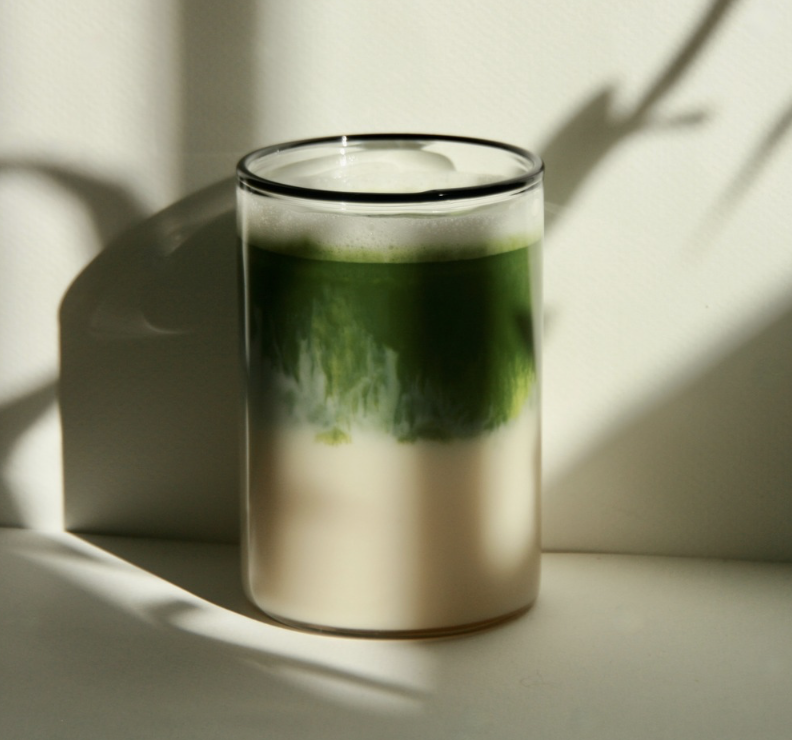
Why Choosing the Right Matcha for Lattes Actually Matters
If you run a café or develop beverages for a food brand, you've probably already learned that not every matcha powder performs the same way in a latte. Some powders produce a stunning vivid green. Others turn a dull, unappetizing khaki within minutes. Some hold up under oat milk with a clean, pleasant flavor. Others taste flat, bitter, or like the bottom of a garden bed.
The market is flooded with matcha options right now — from bulk food-grade powders to premium ceremonial products that cost a small fortune. Navigating that landscape without wasting money on samples that don't work, or worse, without disappointing customers with a substandard drink, is one of the genuine challenges of menu development today.
This guide cuts through the noise. We've evaluated matcha powders across the grades most relevant to latte applications, looking at color vibrancy, flavor under milk, dissolution, aroma, and value for volume use. Here's what we found.
Grade 1: Latte Grade Matcha — The Professional Standard
Latte grade matcha powder is the category built specifically for this job. Good latte grade matcha should hit every important metric for milk-based drinks: a vibrant medium-to-bright green color that holds under milk, a bold enough flavor to cut through oat or whole milk, good fine particle size for smooth suspension, and a price per gram that works at commercial scale.
What to look for in a latte grade matcha: color that's rich green (not yellow-green, not brown-green), a fresh grassy-umami aroma when you open the bag, and a flavor that's assertive and clean with no harsh bitterness. The best latte grade matchas are sourced from Uji, Nishio, or Kagoshima regions in Japan and ground to a particle size fine enough to suspend evenly in liquid.
For volume users, consistency across batches is arguably more important than peak quality in any single batch. A matcha that's spectacular in October and disappointing in February creates operational headaches and inconsistent customer experiences.
Grade 2: Ceremonial Matcha — Premium Drinks and Purists
Ceremonial matcha performs differently in lattes. The finer grind and higher-grade leaf profile mean it produces an extraordinarily smooth texture and a complex, naturally sweet flavor. In a milk-based drink, some of that nuance gets masked — but the color is typically exceptional, and the overall drinking experience is elevated.
Some cafés deliberately use ceremonial grade matcha in lattes as a menu differentiator, positioning them as premium items at a higher price point. "Ceremonial matcha latte — made with first-harvest Uji matcha" is a menu description that commands a price premium and attracts serious matcha drinkers who notice the difference.
The tradeoff is cost. Ceremonial matcha in volume is significantly more expensive than latte grade. If you're running 50+ matcha lattes a day, the economics may not work unless your selling price supports it. For lower-volume, premium-positioned venues, it can be a smart choice.
Grade 3: Culinary Matcha — When and Why to Avoid It in Lattes
Culinary matcha is designed for baking, cooking, and manufacturing applications where other strong flavors and ingredients are present. It's typically made from later harvest leaves with a higher tannin content, producing a more robust and sometimes more bitter flavor. It's also generally a duller green color.
In baking, those characteristics are advantages. You can use less of it to get green color and flavor, and any slight bitterness gets rounded out by sugar and fat. In a latte, those same characteristics become problems. The color can look muddy, the flavor can be flat or harsh, and the overall drink quality will disappoint customers who've had a well-made matcha latte before.
Culinary matcha is appropriate for baking matcha pastries, making matcha glazes, or producing food products. It's a poor choice for the beverage menu. The cost savings over latte grade are rarely worth the quality difference in drink form.
What Testing Shows: Performance Under Milk
Testing matcha powders in latte conditions means looking at a few specific things. Color retention is how vibrant the green looks when combined with steamed milk — a good matcha latte should have a clear green tone. Flavor persistence is whether you can actually taste the matcha through the milk at a standard dose of 2–3 grams. Dissolution quality is how smoothly the powder integrates.
Latte grade matcha consistently outperforms on all these measures when used as intended. Ceremonial grade wins on color and texture. Culinary grade underperforms on color and flavor in drink applications. The middle ground — a well-sourced, properly spec'd latte grade powder — is the sweet spot for commercial latte programs.
How to Test Matcha Before You Buy in Volume
Never commit to a large order of any matcha without testing it first. The evaluation process should include: a dry assessment (open the bag, check color and aroma), a hot water whisk test (3g in 60ml water at 70°C, check color, texture, and flavor), a milk test (the same paste topped with your standard steamed milk), and a cold preparation test if you serve iced matcha lattes.
Run these tests with your whole team if possible. The person making drinks daily will notice things you might miss in a quick tasting. And taste against your current matcha if you have one — the comparison is often more telling than the absolute assessment.
Check out wholesale pricing once you've identified the right grade, and make sure volume pricing works for your projected monthly usage.
Our Recommendation for Café and Beverage Operators
For most cafés and hospitality operators, a premium latte grade matcha from a reputable Japanese source — consistently spec'd, freshly packed, and available at commercial volume — is the right call. It outperforms on the metrics that matter in drink service and satisfies modern customers who have increasingly sophisticated matcha expectations.
If your menu strategy supports a premium tier, consider stocking both latte grade and ceremonial matcha — one for everyday drinks and one for a premium menu position.
The fastest way to make a decision is to taste. Request a free sample from Pure Matcha Partners and compare grades side by side. We supply cafés, hotels, food brands, and manufacturers across Europe with wholesale matcha that consistently performs.
Choosing a matcha grade for your café?
View our wholesale matcha supply for cafés, including organic and conventional barista-ready options from 5 kg. Request samples to compare performance with your preferred milk and recipes.
We are available to give you the best advise on the best matcha for your company's industry
.avif)
.avif)
.avif)
.avif)




.png)
.avif)