

Tu blog de matcha
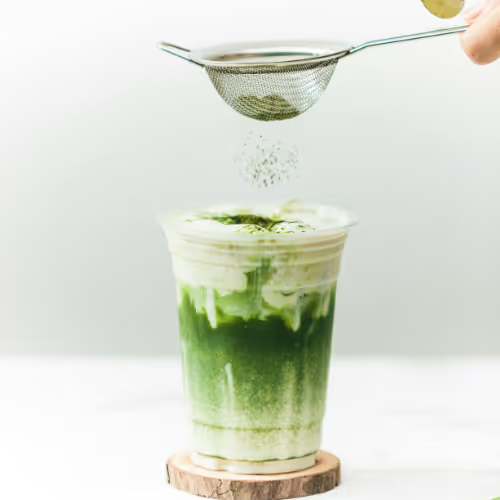 Matcha para cafeterías: cómo añadir matcha a tu cartaEducationLeonard13 de noviembre de 2026¿Vas a añadir matcha a tu cafetería? Qué bebidas ofrecer, qué grado usar en cada una, gramos por taza, flujo en barra, costes y cómo elegir proveedor.
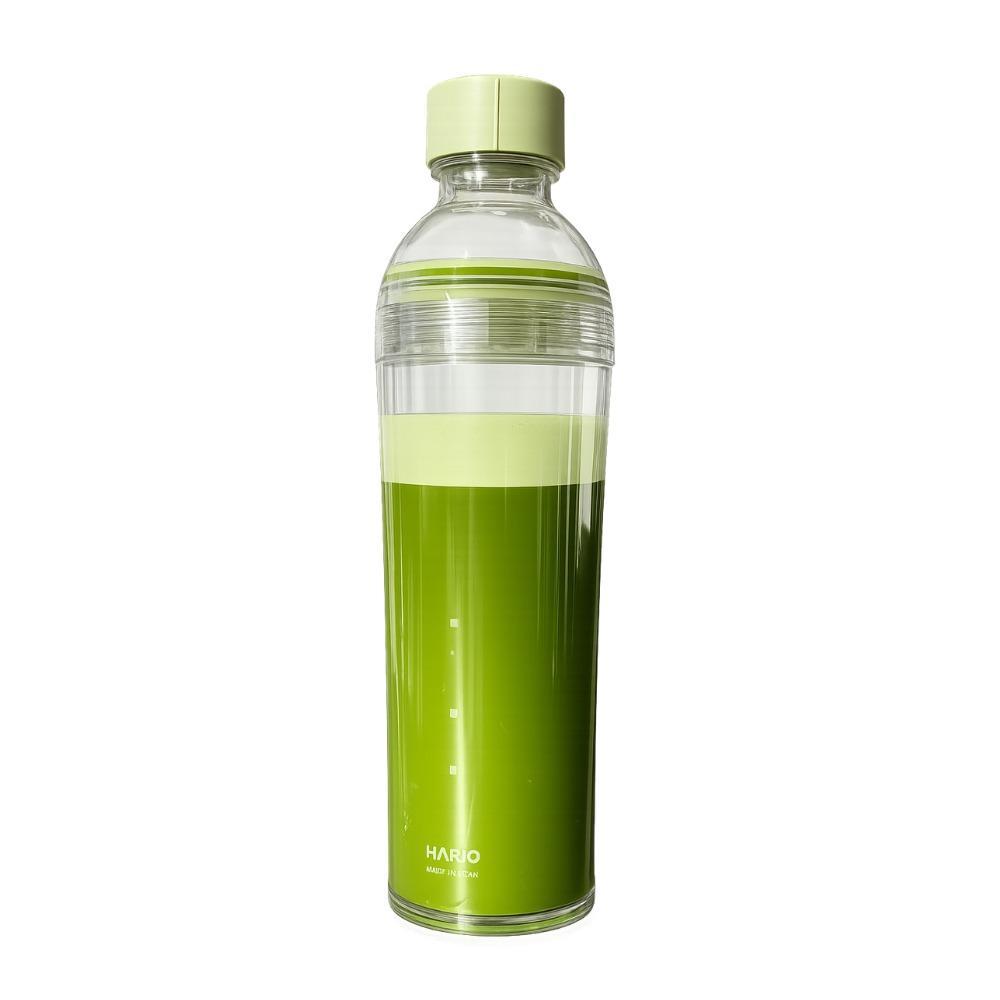 Now Available: Matcha Shaker for Efficient Matcha PreparationNewsJudithMay 12, 2026We're excited to announce our new Matcha Shaker. Designed for modern matcha preparation, this shaker delivers smooth, clump-free matcha in seconds without the need for whisking. Our Matcha Shaker was developed to reduce preparation time, eliminate clumps, improve consistency between servings, and simplify takeaway matcha preparation.
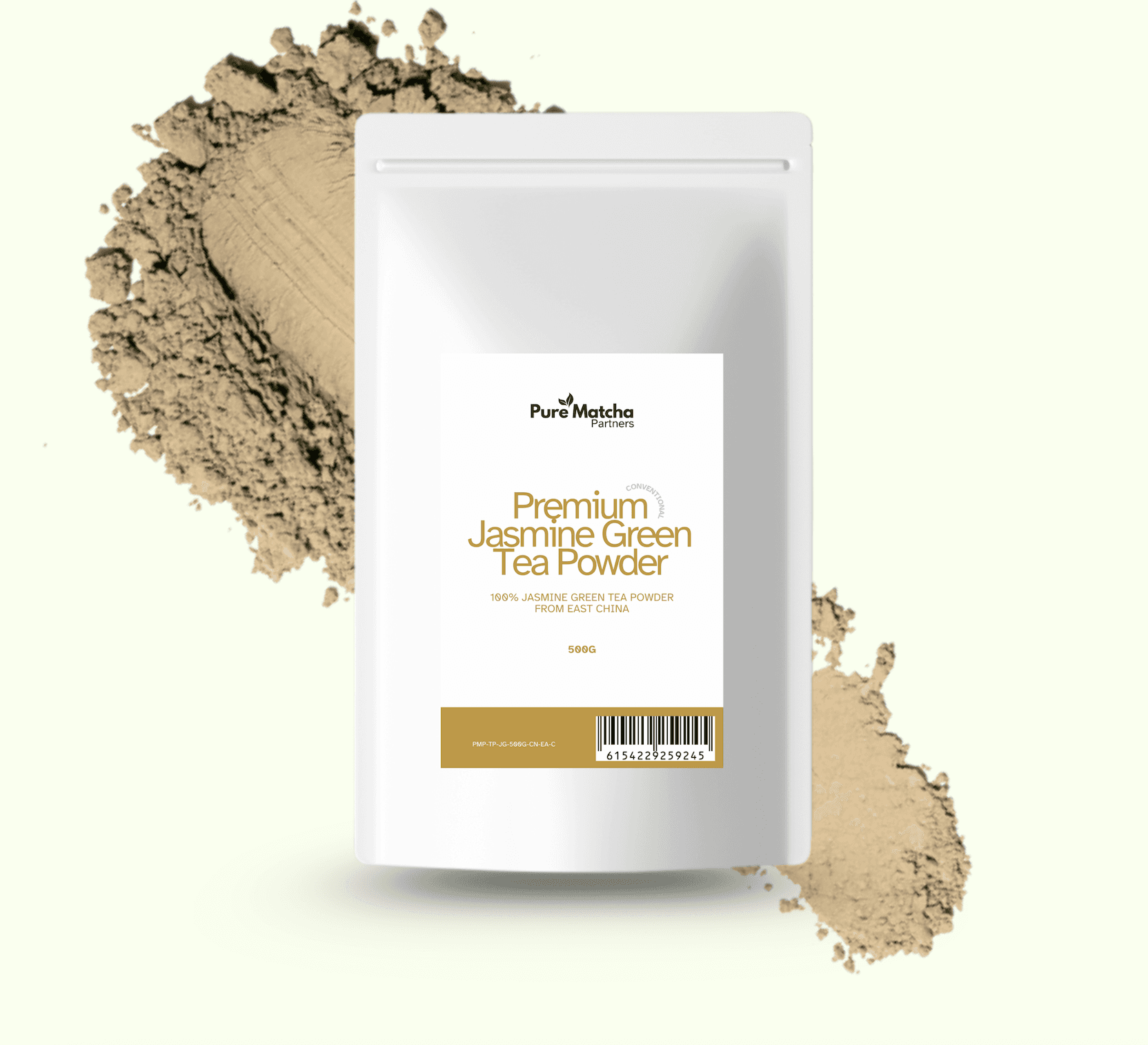 What Is Jasmine Tea Powder?InsightsJudithMay 8, 2026Our Jasmine tea powder is a finely milled green tea powder infused with the fragrant aroma of jasmine flowers. Unlike traditional jasmine tea leaves that are steeped and discarded, jasmine tea powder is whisked directly into drinks and recipes.
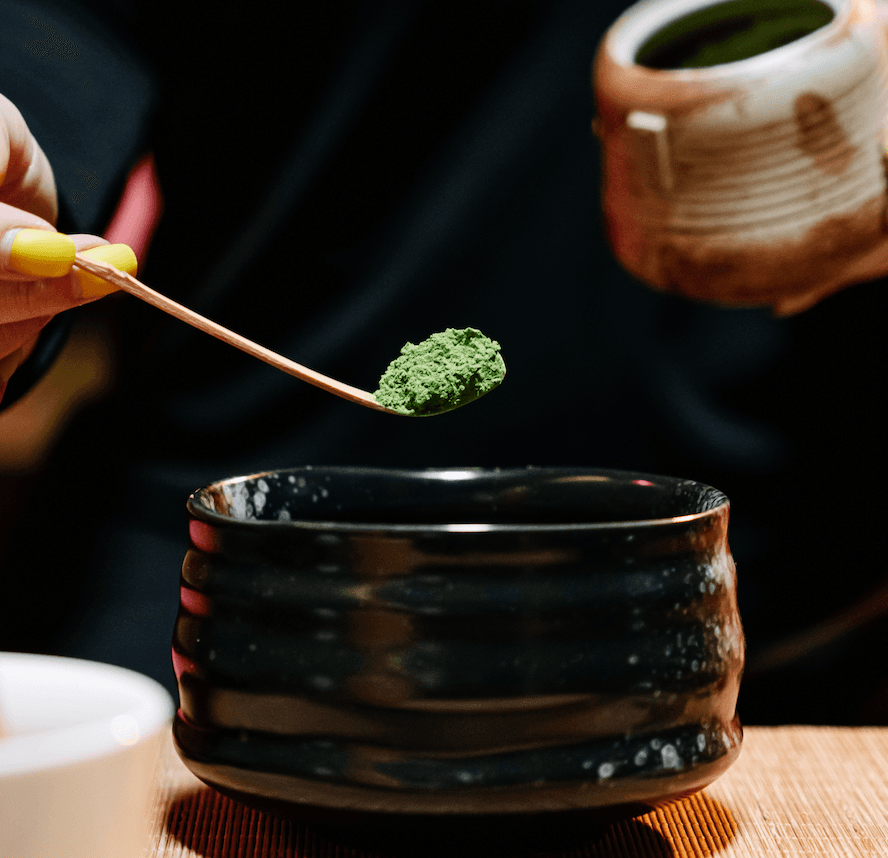 Barista 101: Top Tips for Matcha PreparationEducationJudithMay 5, 2026Preparing a consistently smooth, balanced cup requires more than simply mixing powder with milk. For cafés and baristas, mastering matcha preparation is key to delivering quality, improving workflow, and creating a great customer experience.
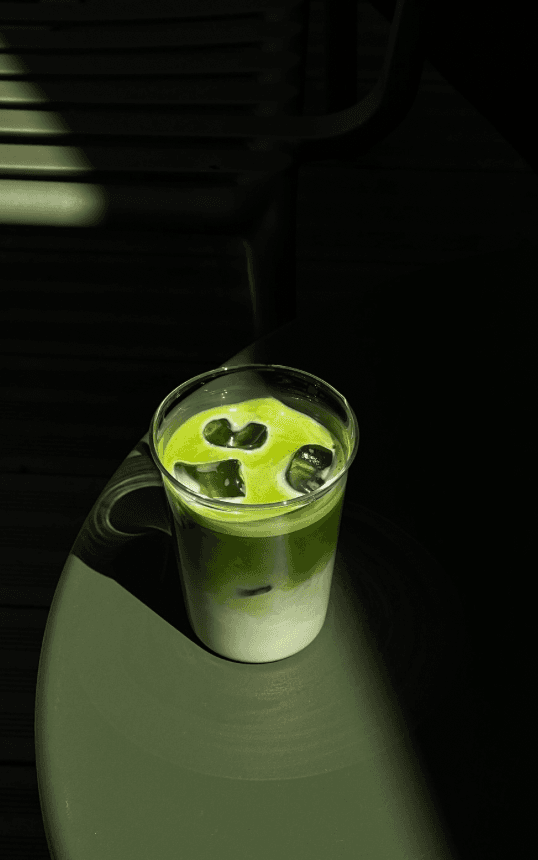 The Future of Matcha in Global Food & BeverageInsightsJudithMay 1, 2026A few years ago, matcha was still seen as a niche product outside Japan and mostly tied to traditional tea ceremonies or specialty cafés. Today, it’s everywhere. From chain cafés and bottled drinks to desserts, bakery products, wellness supplements, and even cocktails, matcha has become one of the most adaptable ingredients in modern food and beverage.
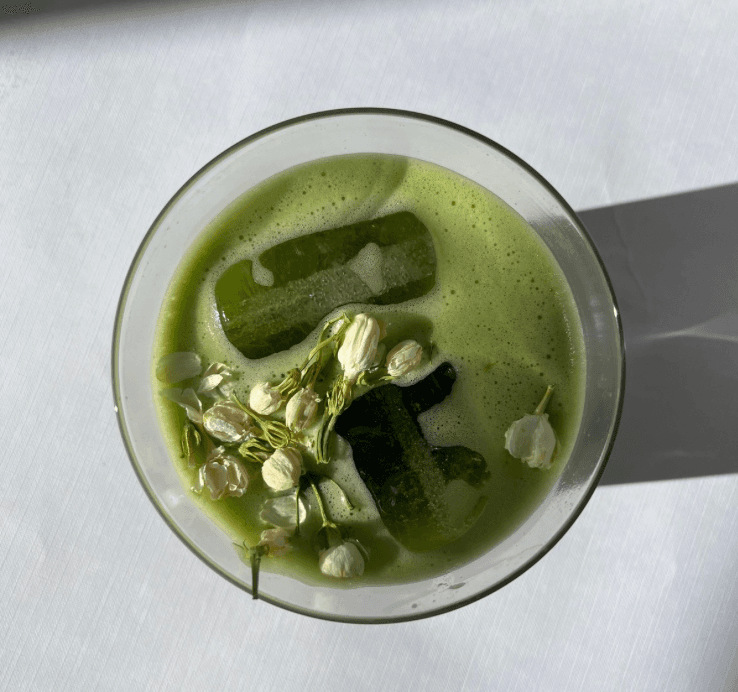 Trend Alert: Combining Tea PowdersInsightsJudithApril 27, 2026For a long time, matcha has been carrying the tea powder category. And it still does a lot of heavy lifting. But lately, something more interesting is happening: blending different tea powders together to create drinks that feel more complete and interesting.
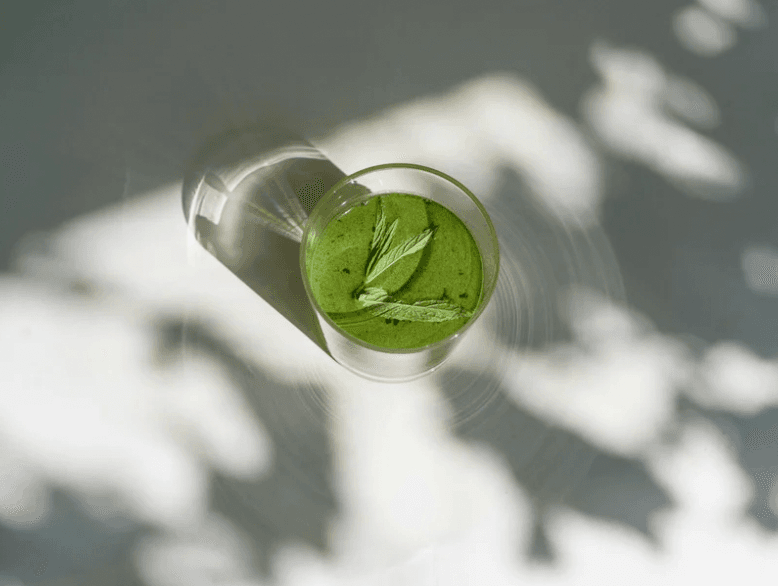 Flavour Pairing Guide: What Works (and Doesn’t) with MatchaInsightsJudithApril 13, 2026Matcha has moved beyond traditional tea ceremonies and into cafés, bakeries, and product lines across the globe. Whether you’re developing beverages, desserts, or retail-ready goods; understanding how matcha behaves in flavor pairings is essential.
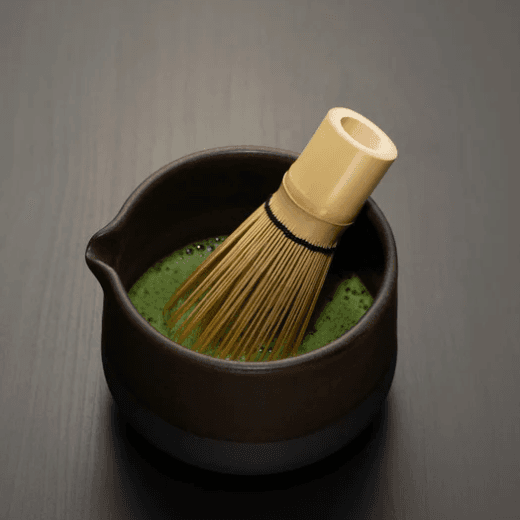 How to Properly Store Bulk Matcha in a Café (Complete Guide for Freshness & Quality)EducationJudithApril 9, 2026If you’re purchasing matcha in bulk, knowing how to store it correctly is essential. In this guide, we’ll walk you through best practices to keep your matcha fresh, bright, and full of flavor for as long as possible.
 What Is Hibiscus Powder?NewsJudithApril 6, 2026Known for its vibrant red color and refreshing taste, hibiscus powder is increasingly used as a natural, caffeine-free alternative or additional element to matcha, especially in products like pink lattes, iced drinks, and functional blends.
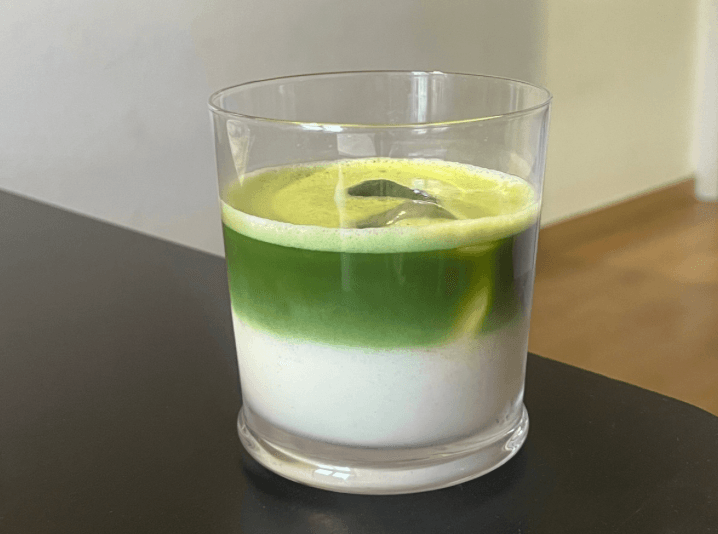 Organic vs Conventional Matcha: What Color Really Tells YouInsightsJudithApril 2, 2026If you’ve sourced matcha globally, you’ve probably noticed the following: Some matcha is a deep, almost neon green, while others, especially organic, appear slightly softer, more muted in tone. At first glance, brighter might seem better. But color doesn’t always mean quality, and in some cases, it reflects something else.
 Introducing New Tea PowdersNewsJudithMarch 30, 2026Matcha has led the way in powdered tea but the category is evolving. This is where our next-generation tea powders come in. We’re expanding our range to include: Rooibos powder, Earl Grey powder, Oolong powder and Da Hong Pao powder
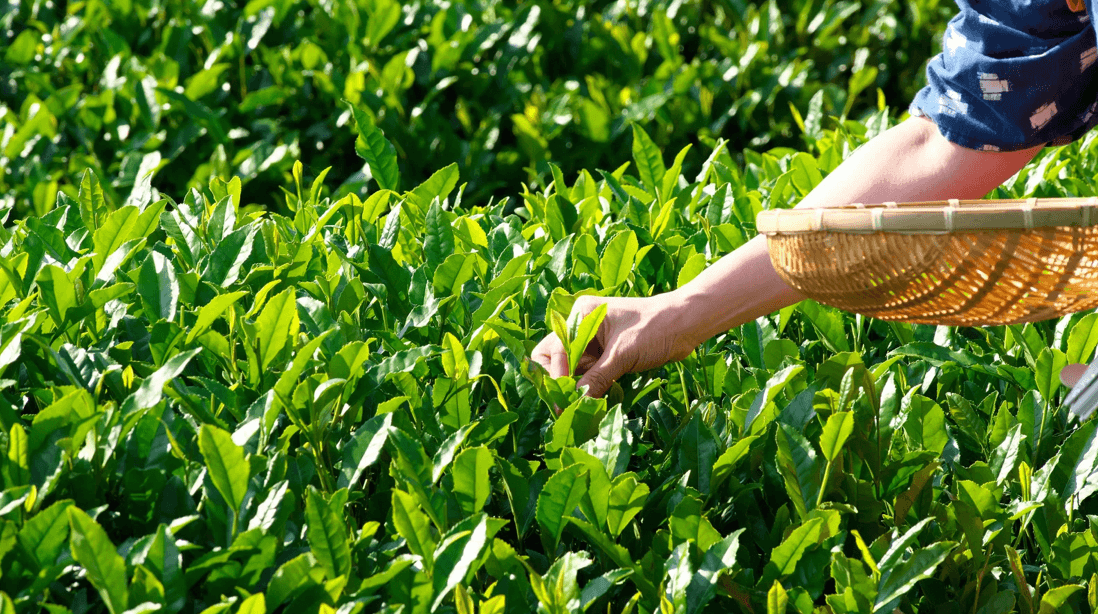 Matcha Harvest Seasons, ExplainedEducationJudithMarch 25, 2026If you’re sourcing matcha at scale, understanding harvest seasons is essential for: Quality consistency, pricing expectations, flavor profiles and stock planning.
 Is Matcha More Sustainable Than Coffee?EducationJudithMarch 23, 2026While matcha is widely known for its vibrant colour, functional benefits, and premium positioning, research suggests it may also offer environmental advantages compared to coffee, particularly when measured per serving.
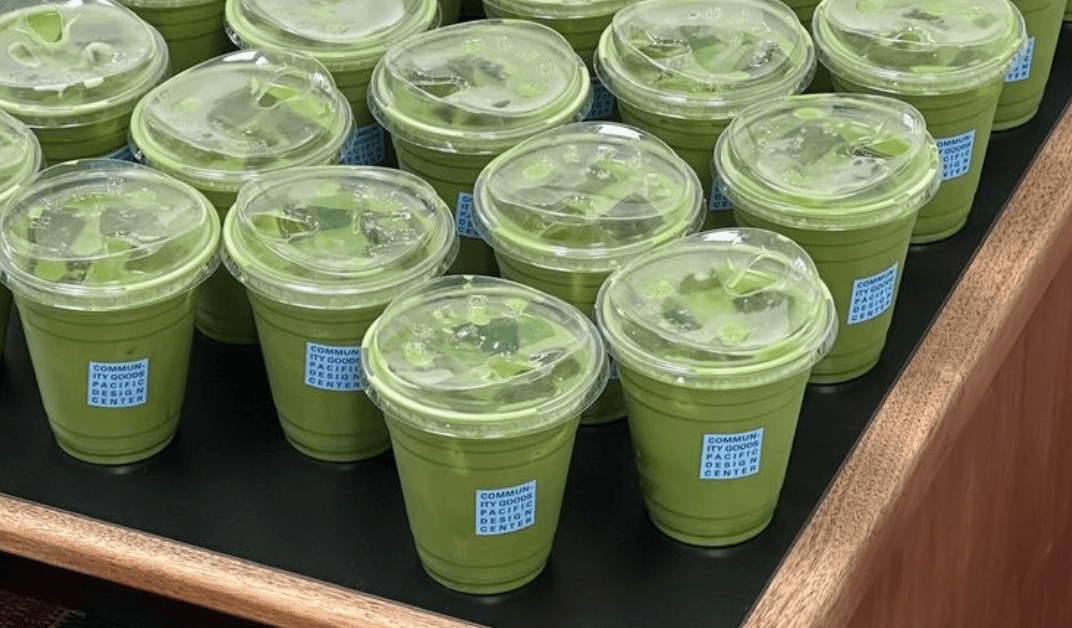 Matcha Ratios for Cafés (That Even Matcha Connoisseurs Will Approve Of)EducationJudithMarch 14, 2026As matcha continues to gain traction across specialty cafés and hospitality venues, one operational question appears again and again: How much matcha should be used per drink?
 What Is Ube?InsightsJudithMarch 20, 2026Ube has emerged as one of the most visually distinctive and commercially attractive ingredients in global food and beverage innovation. From specialty cafés to premium dessert concepts, operators are increasingly incorporating ube into beverages, pastries, and seasonal menus.
 Should You Hand-Whisk Matcha in Your Café?EducationJudithMarch 17, 2026As matcha continues to gain popularity in specialty cafés and hospitality venues, many operators face a practical question: Should matcha be hand-whisked traditionally or prepared using modern bar equipment?
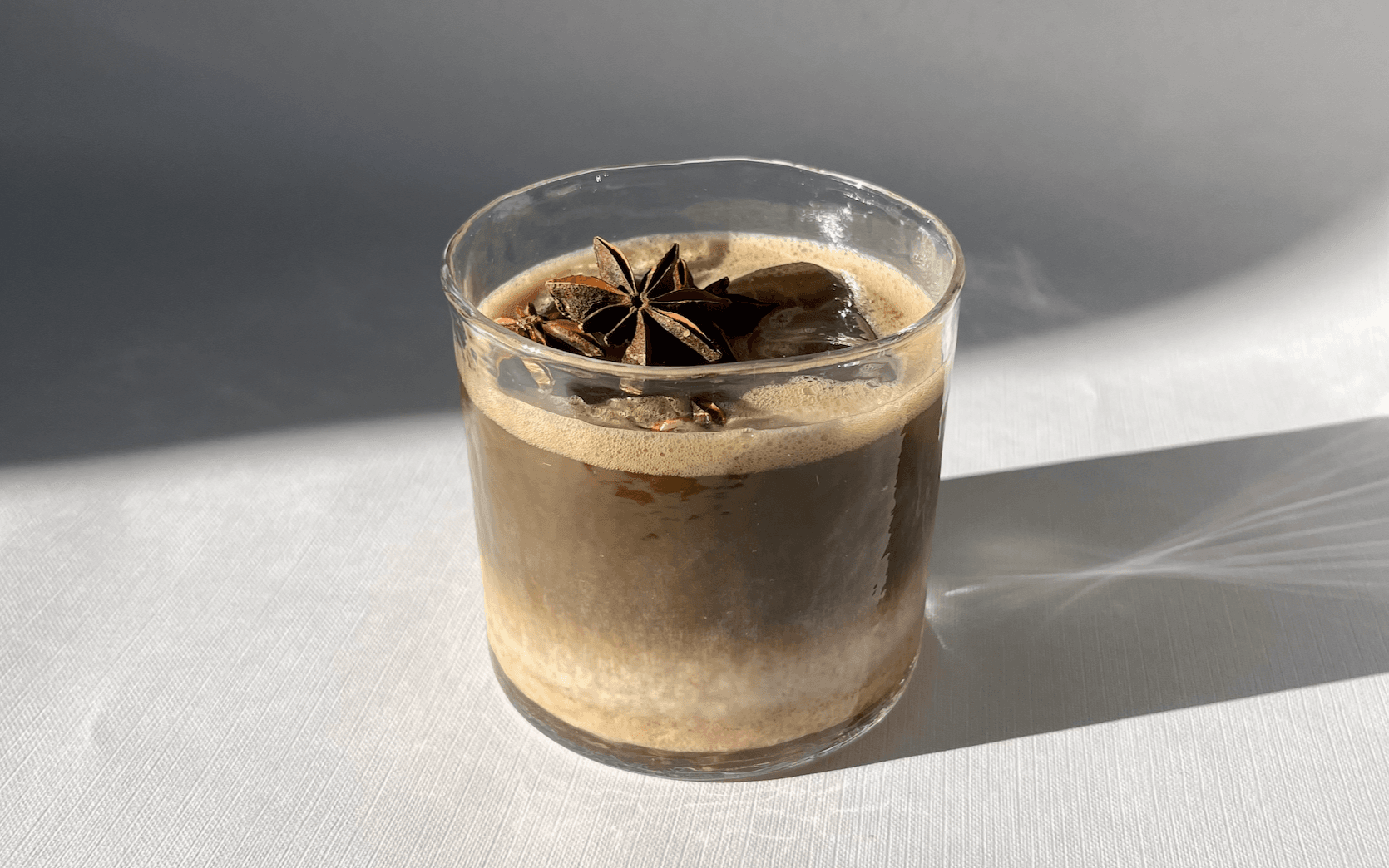 The Rise of Low-Caffeine AlternativesInsightsJudithMarch 12, 2026Hospitality operators have seen a clear shift in consumer behaviour: guests are becoming more intentional about their caffeine consumption.From specialty cafés to premium hotels and wellness-focused restaurants, low-caffeine beverage menus are no longer niche but
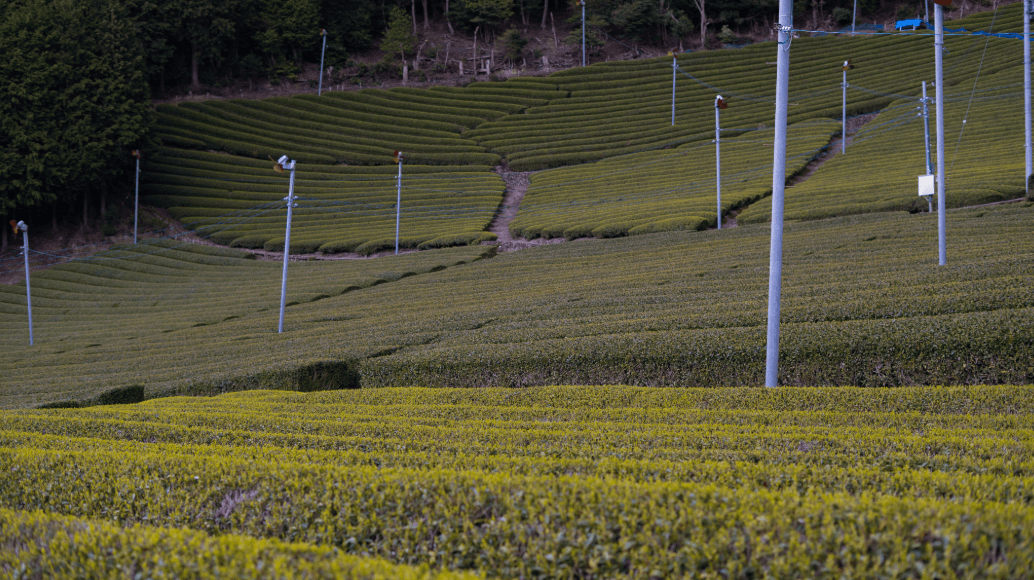 Ethical Matcha Supply ChainInsightsJudithMarch 9, 2026In recent years, matcha has evolved from a niche ceremonial tea into a global phenomenon. Cafés, wellness brands, and food manufacturers are increasingly incorporating matcha into their offerings which are driven by consumer demand for functional, natural, and premium ingredients.
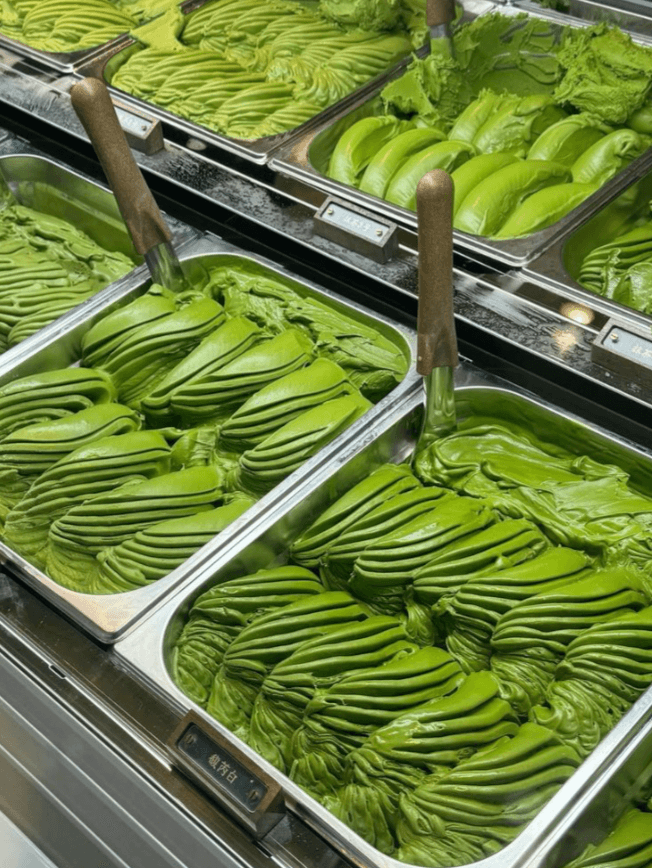 Matcha: A Functional Flavour MakerNewsJudithMarch 2, 2026For years, matcha has been positioned primarily as a superfood that is celebrated for antioxidants, L-theanine, chlorophyll, and slow-release caffeine. While those functional benefits are well established, defining matcha purely through a wellness lens misses its broader impact.
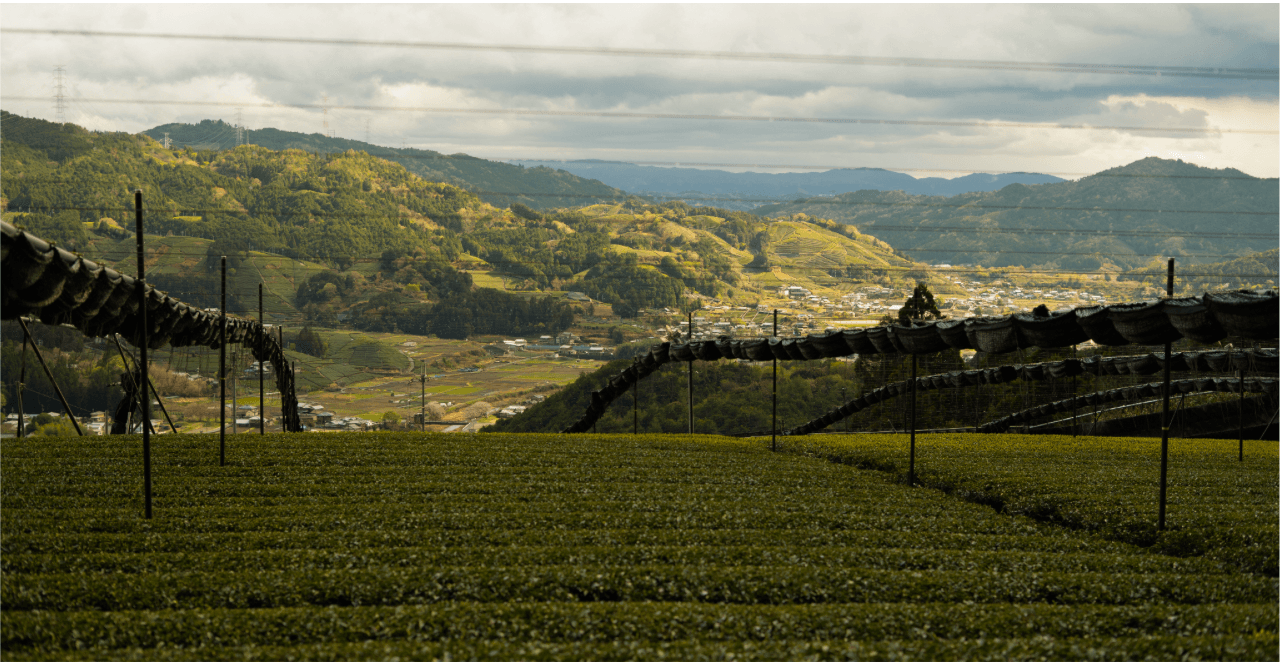 How the Growing Region of Matcha Influences Its Flavor ProfileInsightsJudithFebruary 25, 2026Just like wine, coffee, and cacao, matcha expresses characteristics shaped by its environment.Climate, soil composition, altitude, water quality, and regional farming practices all contribute to the final flavor profile.
 What is the Difference between a Single Cultivar and a Blend?EducationJudithFebruary 19, 2026As matcha continues to grow in global demand, understanding the difference between single cultivar matcha and matcha blends has become increasingly important.
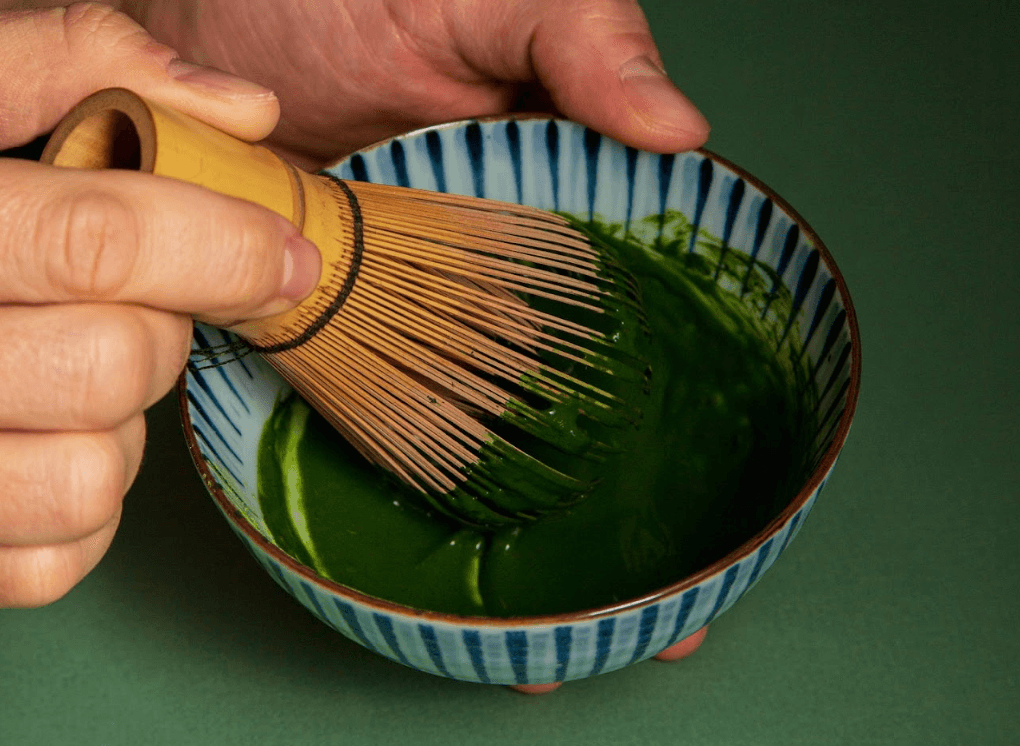 Usucha vs. KoichaEducationJudithFebruary 13, 2026For cafés, specialty retailers, and hospitality brands working with premium matcha, understanding the difference between usucha and koicha is useful. These two preparation styles aren’t just variations in strength but also represent distinct traditions, flavor experiences, and quality standards within Japanese tea culture.
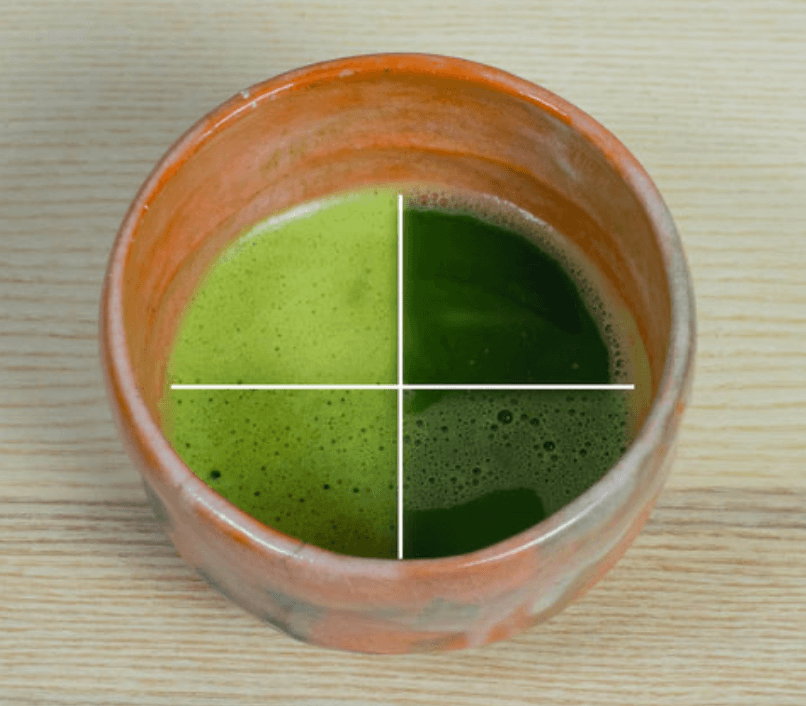 The Art of Matcha Microfoam: Whisking for a Silky FinishEducationJudithFebruary 10, 2026Matcha is often described in terms of flavor such as umami, sweetness, gentle bitterness but its texture is probably just as important.
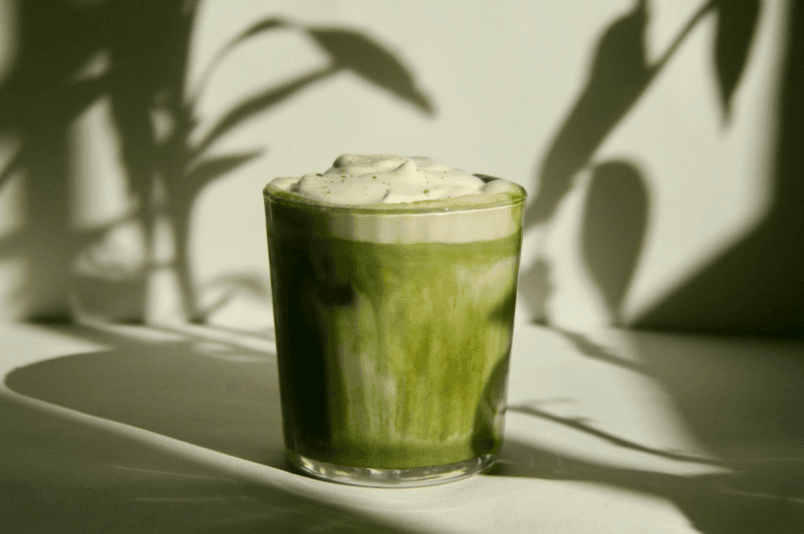 7 Trending Matcha Drinks (2026)InsightsJudithFebruary 8, 2026From creamy cloud matcha to sparkling botanical blends, these are the seven matcha-based drinks set to dominate cafés, social feeds, and wellness routines in 2026.
 Health Benefits of Mulberry Leaf MatchaEducationJudithFebruary 5, 2026Beyond its vibrant green color, mulberry leaf matcha is increasingly recognized for its health benefits. Traditionally used in Asian herbal medicine, it is now supported by modern clinical research
 How to Choose Matcha for Functional BeveragesInsightsJudithFebruary 1, 2026This guide walks through the key considerations when selecting matcha specifically for functional beverage applications, from grade to processing, origin, and application fit.
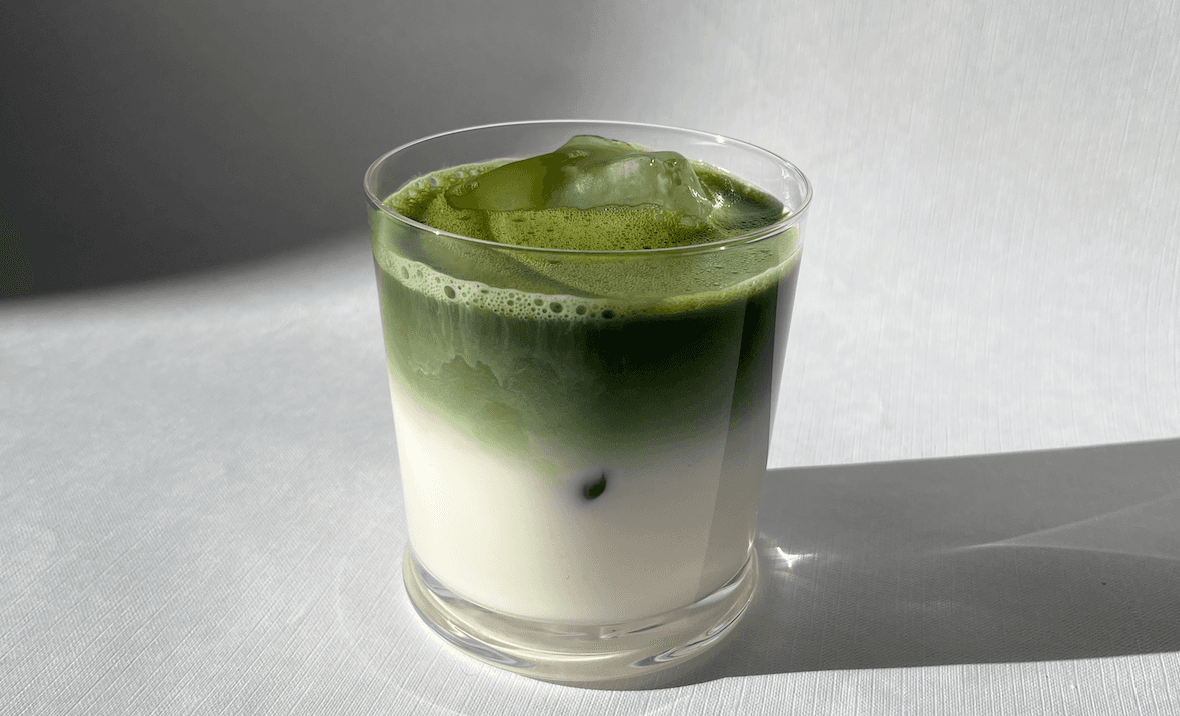 What is Mulberry Matcha?InsightsJudithJanuary 25, 2026Mulberry leaf matcha is a finely milled green powder made from the leaves of the mulberry tree (Morus alba). Although it resembles traditional matcha in appearance, it is not derived from tea leaves and contains no caffeine.
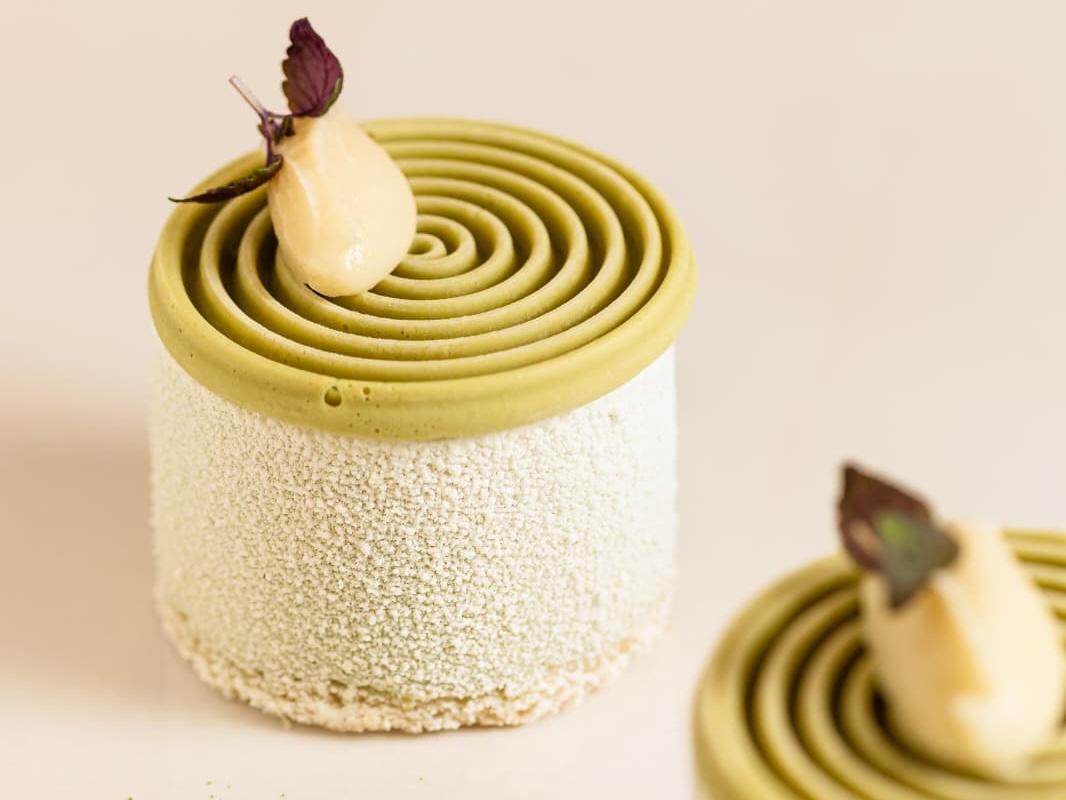 How Benevola in Barcelona uses Culinary MatchaCustomerJudithJanuary 21, 2026In today’s innovative pastry landscape, matcha is much more than a trendy color and when used thoughtfully, it can enhance flavor, visual appeal, and brand differentiation in premium desserts.
 Matcha 101: TerminologyEducationJudithJanuary 15, 2026Understanding matcha’s terminology is helpful for making informed purchasing decisions and delivering the authentic experience customers expect. This guide dives deep into matcha terminology, quality indicators, and sourcing considerations.
 Debunking Matcha MythsInsightsJudithJanuary 12, 2026Matcha is currently one of the most celebrated teas in the world, but with its rising popularity, a lot of myths and misconceptions have been coming up. Let’s debunk some common matcha myths!
 Organic Matcha: Key Considerations for Wholesale BuyersInsightsJudithJanuary 2, 2026As matcha continues to expand across global foodservice, retail, and wellness markets, organic matcha has become an increasingly important category for buyers and brands.
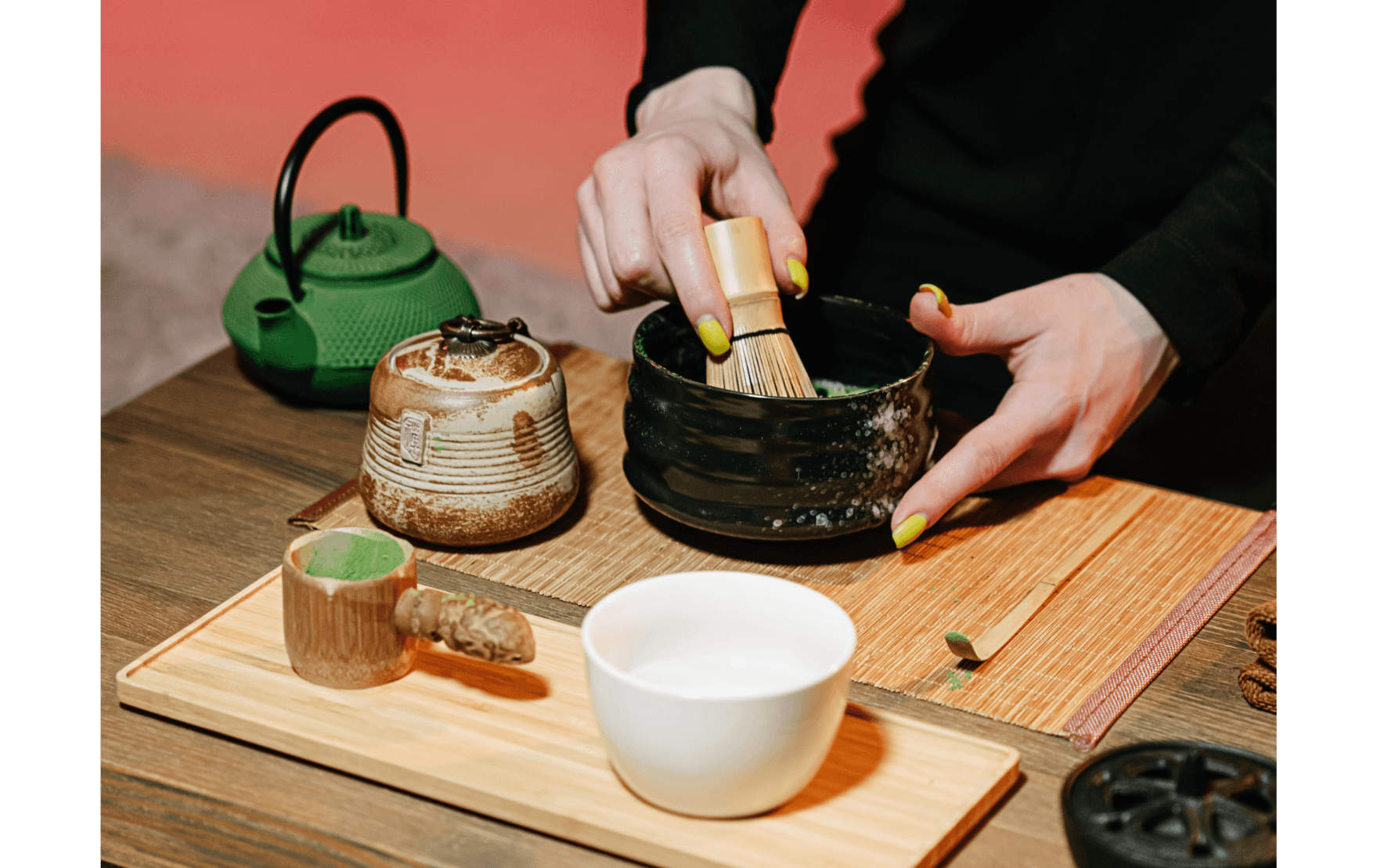 How to Answer your Customers’ Frequently Asked Questions about MatchaInsightsJudithJanuary 5, 2026As a café, retail brand, or online store selling matcha, your customers might be curious and have questions about matcha. By equipping your staff or team with clear answers, you can build trust, enhance the customer experience, and showcase your expertise.
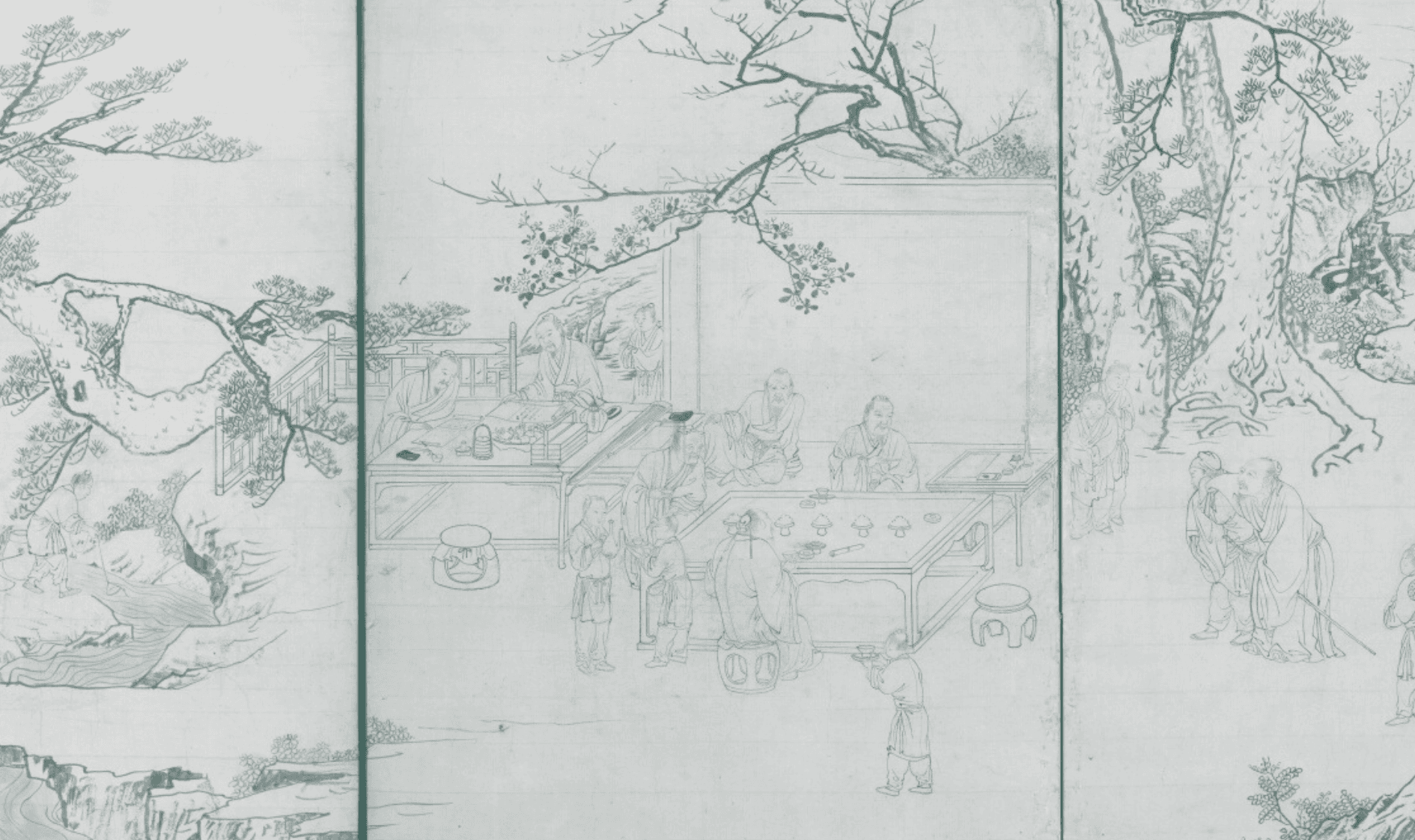 The Origins of MatchaEducationJudithDecember 28, 2025Matcha is often viewed today as a modern superfood or café staple, but its origins trace back over a thousand years. Understanding how matcha developed from a medicinal preparation to a refined cultural practice helps explain why it continues to hold such value in today’s global food and beverage industry.
- Why Chinese Matcha Is Gaining Global PopularityInsightsJudithDecember 23, 2025For decades, matcha has been almost synonymous with Japan. However, in recent years, Chinese matcha has been gaining popularity in global markets, particularly among cafés, beverage brands, and food manufacturers.
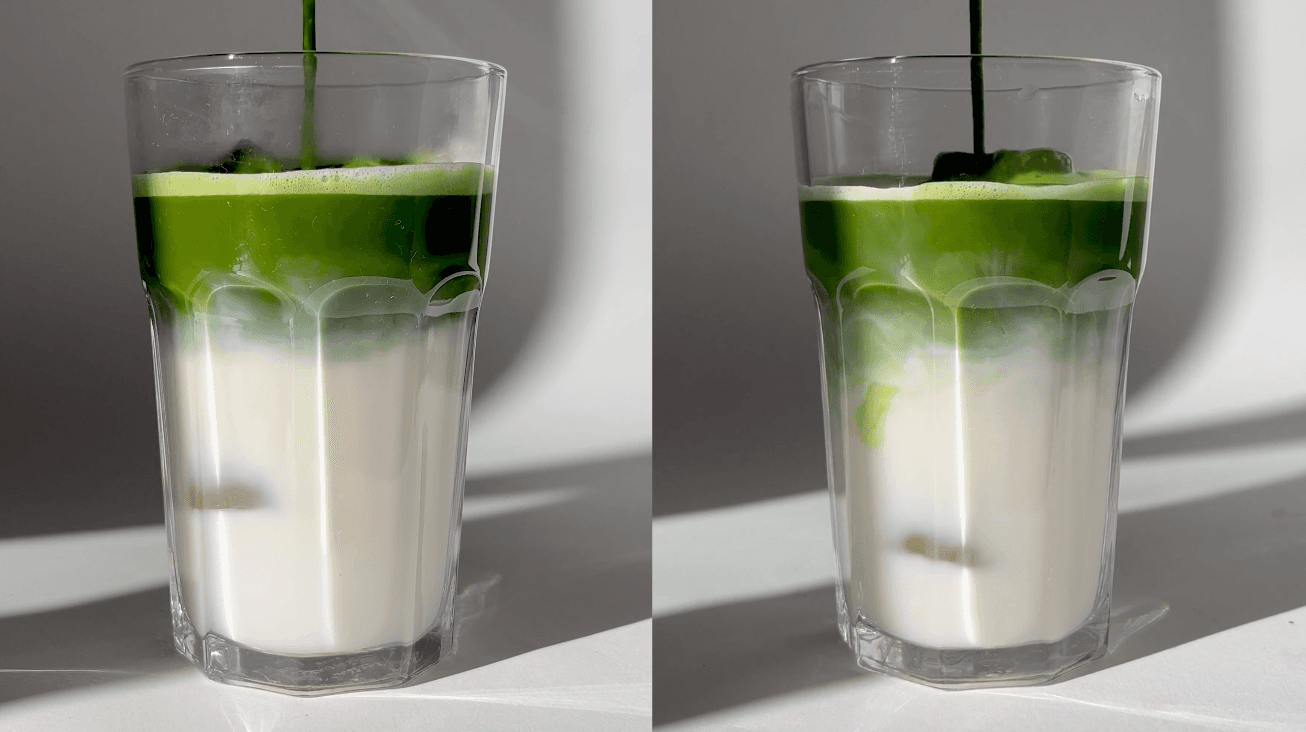 The Difference Between Japanese and Chinese MatchaEducationJudithDecember 20, 2025While Japan became the cultural and technical heartland of matcha, modern production has expanded beyond its borders. Today, matcha is produced both in Japan and China who often use shared techniques, but shaped by differences in geography, farming conditions, and production philosophy.
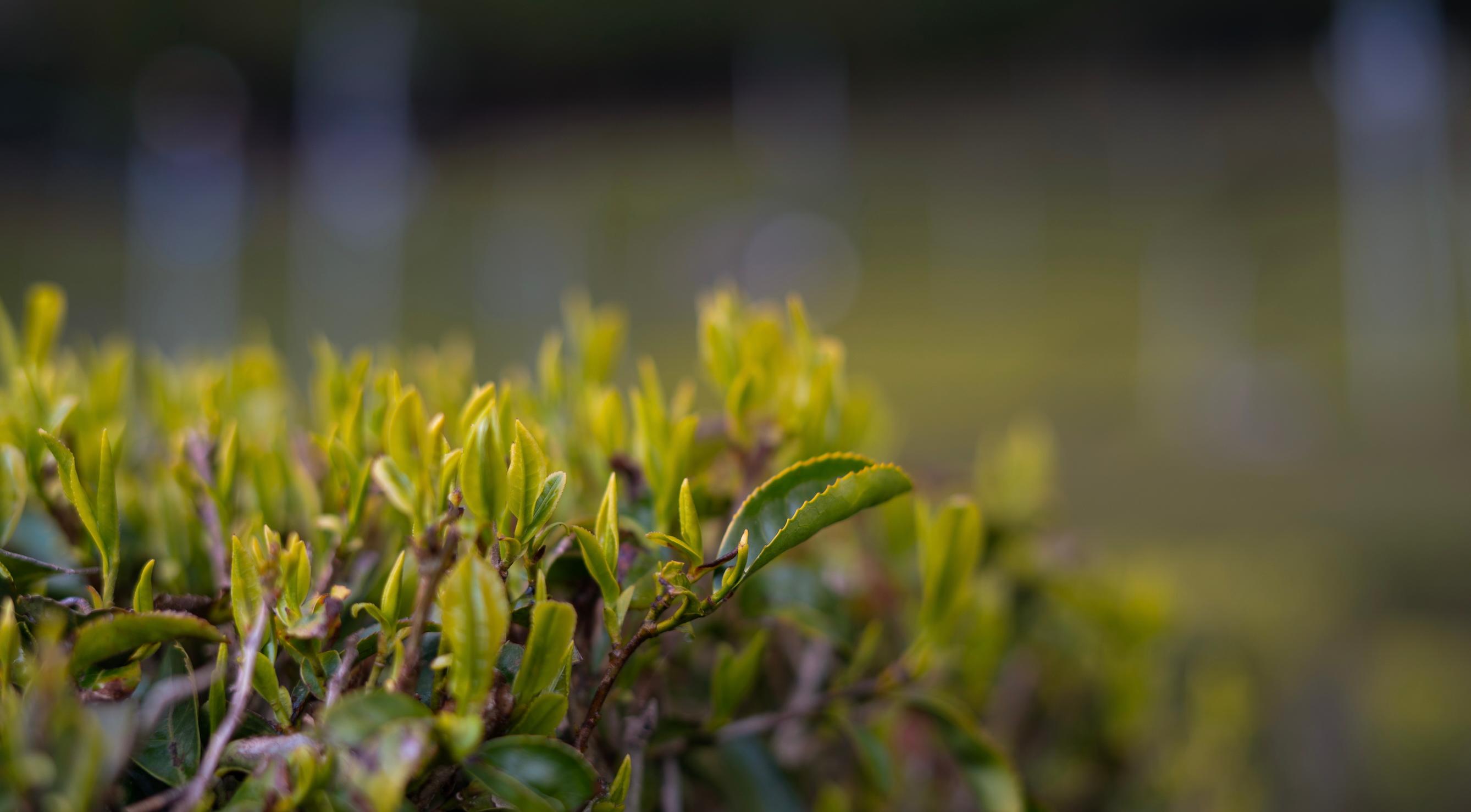 What are Matcha Cultivars?EducationJudithNovember 30, 2025A cultivar (short for cultivated variety) is a specific genetic variety of the tea plant, Camellia sinensis. Just as apples come in different varieties (Fuji, Granny Smith, Gala), tea plants are cultivated into different cultivars
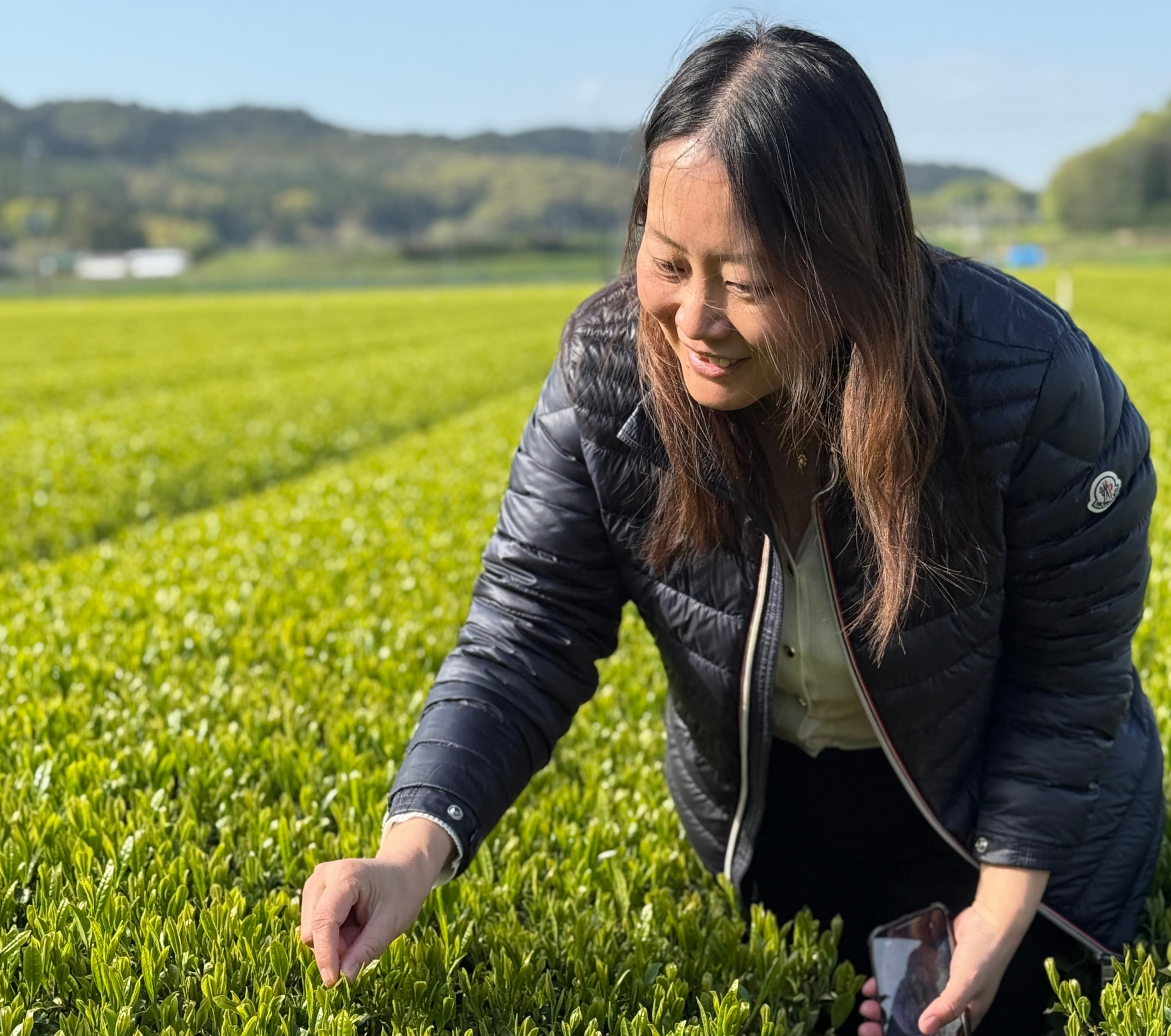 How Matcha is MadeEducationJudithDecember 14, 2025Producing matcha takes time, patience, and tremendous skill. Although matcha today is closely associated with Japan, it all begins with the Camellia sinensis plant which is the same plant used to make all traditional teas.
 Our Journey from Passion to PartnershipEducationJudithDecember 10, 2025Pure Matcha Partners began with a simple belief that matcha deserves to be shared with the world as it truly is: pure, vibrant, and rooted in tradition.
 Match(a)making: which matcha grade suits your needs?EducationJudithDecember 15, 2025From smooth ceremonial blends to rich latte-grade and robust culinary matcha, each type serves a distinct purpose in the world of matcha production and distribution.
- New kid on the block: What Is Hojicha?EducationJudithDecember 15, 2025As a leading matcha and hojicha powder wholesaler, we’ve seen firsthand how quickly the global market is embracing hojicha, a roasted Japanese green tea with a rich, toasty flavor profile and exceptional versatility.
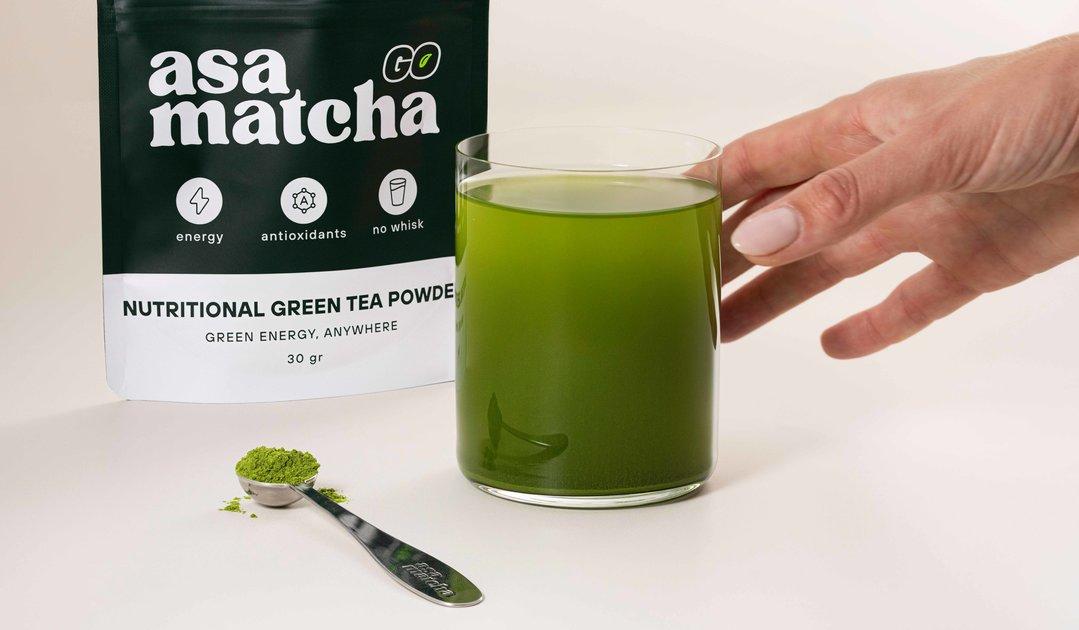 ASA Matcha launches ASA GOEducationLeonardDecember 15, 2025Preparing ASA GO is easier than with other types of matcha. The ultra-fine powder dissolves instantly in water, without the need for a bamboo whisk, the traditional tool used to combine matcha powder with water.
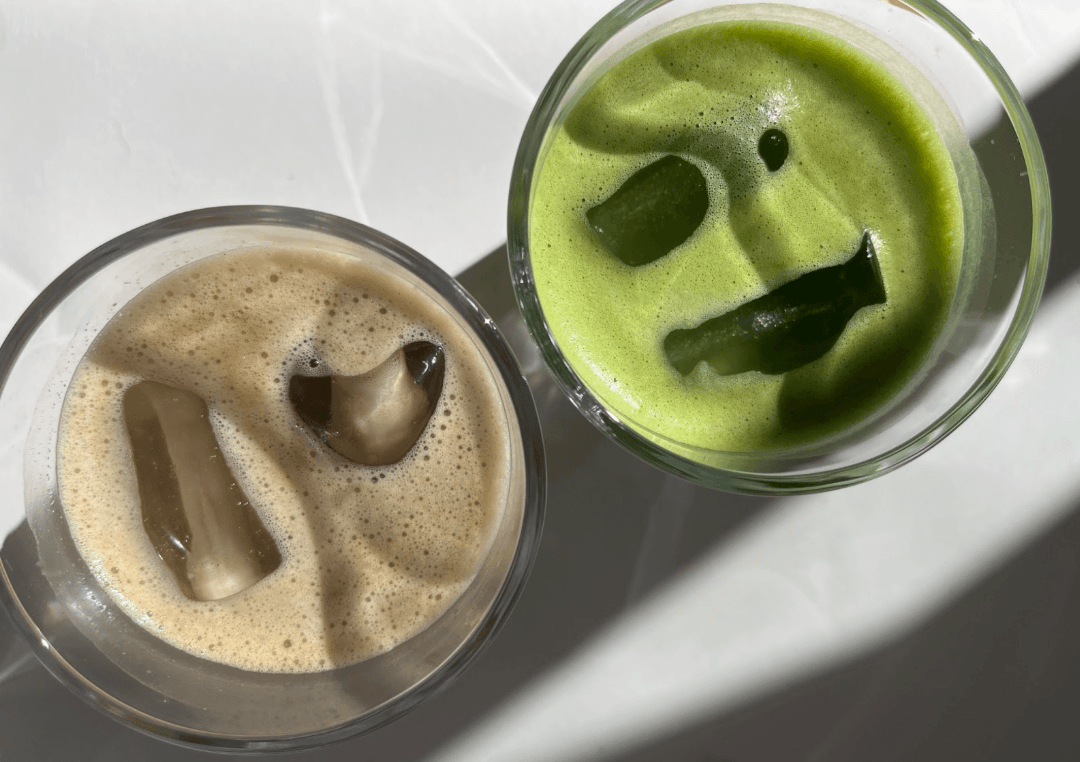 Matcha vs HojichaEducationJudithDecember 15, 2025When exploring the world of Japanese tea, two names stand out for their unique flavor, history, and versatility: matcha and hojicha.
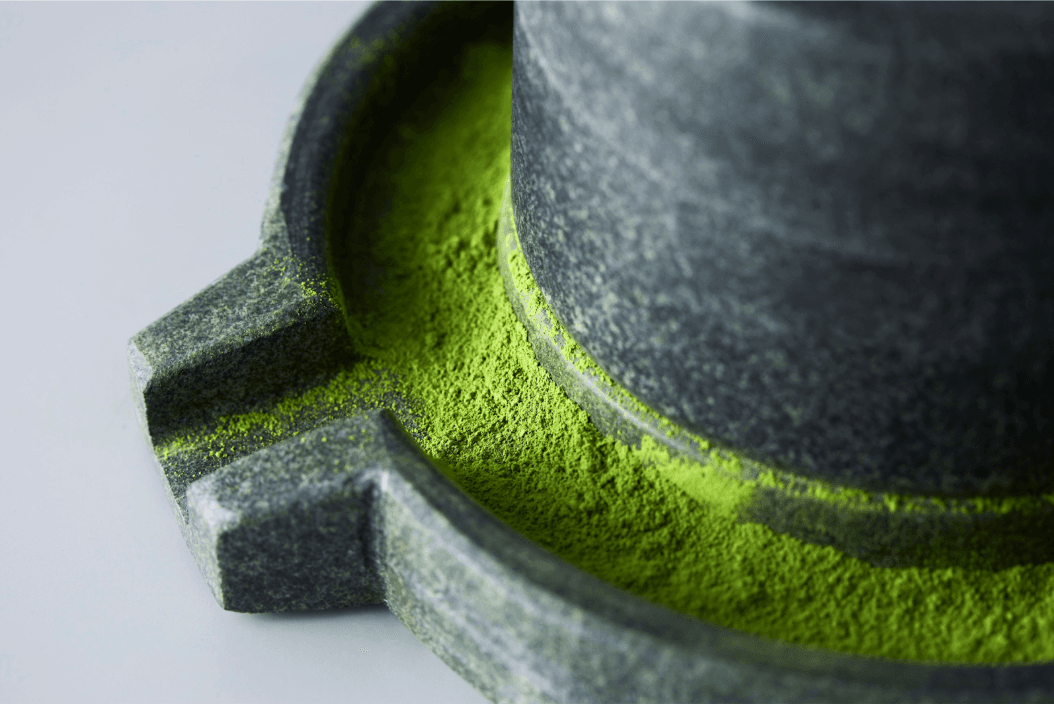 Does Matcha Cause Iron Deficiency?EducationJudithDecember 15, 2025From antioxidant power to gentle caffeine stimulation, it offers a unique boost compared to traditional coffee or black tea. However, there has been a rising concern regarding matcha causing iron deficiency
 Matcha vs. CoffeeEducationJudithDecember 22, 2025For many people, their day doesn’t officially start until caffeine kicks in. Coffee has long dominated the morning ritual, but matcha has been gaining serious popularity in recent years.