




How Matcha is Made

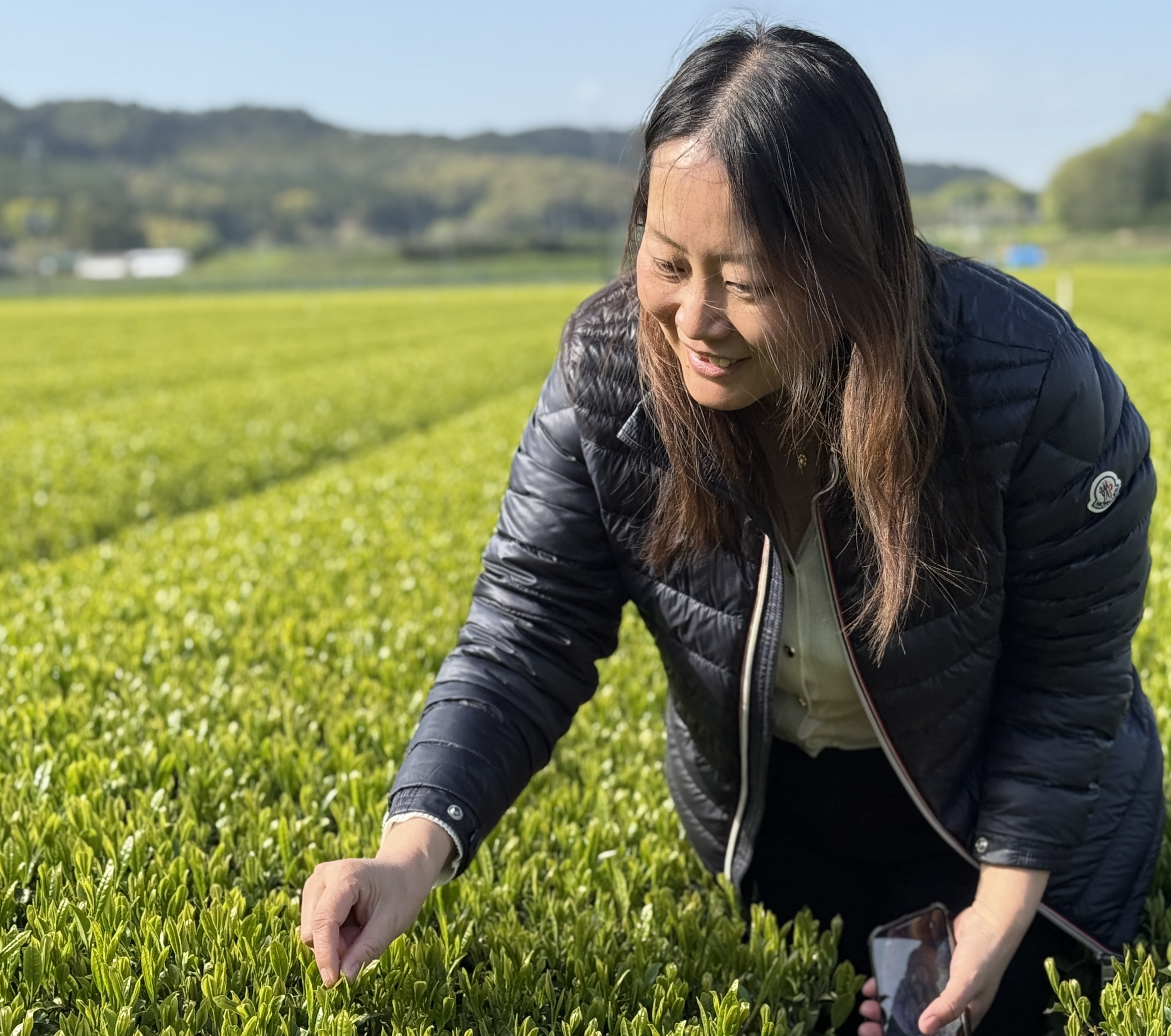
Producing matcha takes time, patience, and tremendous skill. Although matcha today is closely associated with Japan, it all begins with the Camellia sinensis plant which is the same plant used to make all traditional teas. Its Latin name already hints at its origin: sinensis meaning from China, where tea cultivation was first discovered and documented centuries ago.
Tea seeds eventually made their way to Japan with Buddhist monks, who cultivated the plant and refined unique growing and processing techniques. Over the centuries, these methods evolved into what we now know as matcha: the vibrant, powdered green tea celebrated for its depth of flavor and health benefits.
But how exactly is matcha made? What processes turn a simple green leaf into the silky, emerald-colored powder?
Let’s explore the journey from leaf to powder.
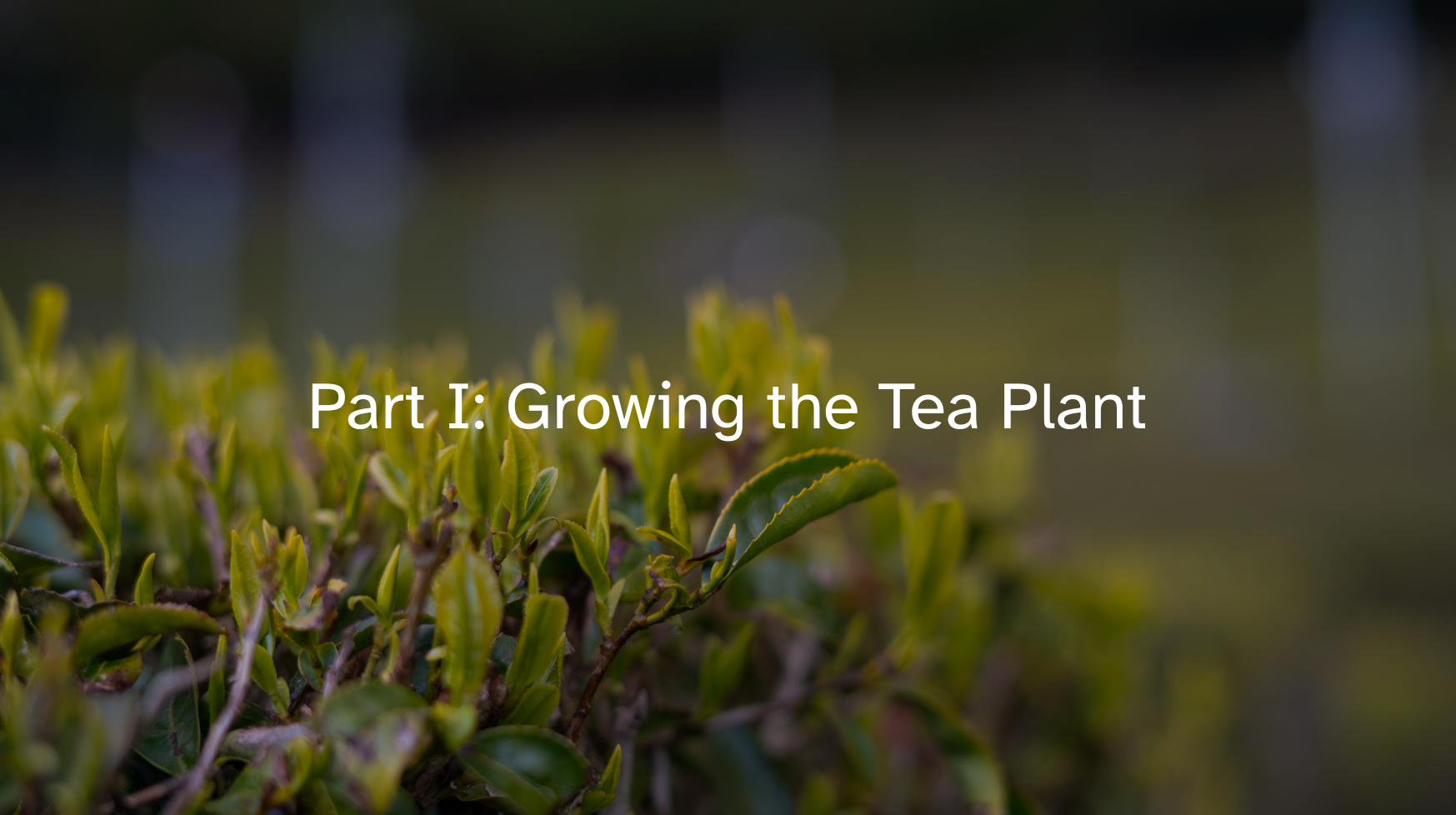
The story of matcha begins long before harvest: in the field, where careful cultivation determines flavor, aroma, color, and nutritional richness.
Planting the Tea Seedlings
Matcha starts as a tiny seed or young seedling. In traditional tea gardens, seedlings are first grown in nurseries for several months to a year, allowing them to develop strong roots. Once ready, they are transplanted into the main tea fields.Farmers carefully plan the spacing of each plant to ensure:
- Proper airflow
- Adequate sunlight (before shading begins)
- Healthy root development
- Room for long-term growth
The soil is typically rich, well-drained, and slightly acidic. These conditions help the Camellia sinensis thrive.
Growth Stages
After planting, the tea plants go through several stages before they can produce the leaves used for matcha:
1. Seedling Stage (0–1 year) – The young plant establishes roots and grows small, tender leaves.
2. Juvenile Stage (1–3 years) – Plants grow taller, develop more branches, and strengthen structurally.
3. Maturation Stage (3–5 years) – Plants reach full maturity and begin producing leaves suitable for harvest.
Only then do the leaves have the flavour and chemical profile ideal for high-quality matcha.During these years, careful care is taken to prune branches, control pests naturally, and ensure consistent growth.
Shading the Tea Plants
Several weeks before harvest, usually about 20–30 days, the tea farmers cover the plants with large shading nets or traditional straw screens.
This crucial step:
- Reduces sunlight exposure
- Boosts chlorophyll production
- Increases amino acids (like L-theanine)
- Deepens the tea’s green color
- Softens bitterness and enhances umami
High-grade matcha often uses nearly 90% shade, mimicking natural woodland light.
Selecting the Youngest Leaves
Only the youngest leaves are used for ceremonial-grade matcha. These leaves are soft, delicate, and naturally sweeter due to their increased amino acid content.

Picking the Leaves
For premium matcha, skilled workers hand-pick only the top two leaves and a bud. Machines may be used for premium or culinary-grade matcha.
Steaming the Leaves
Immediately after picking, leaves are rapidly steamed to stop oxidation.
This preserves:
- The bright green color
- Fresh, grassy aroma
- Nutrients and antioxidants
Skipping oxidation is what differentiates matcha (and green tea) from oolong or black teas.
Drying into Tencha
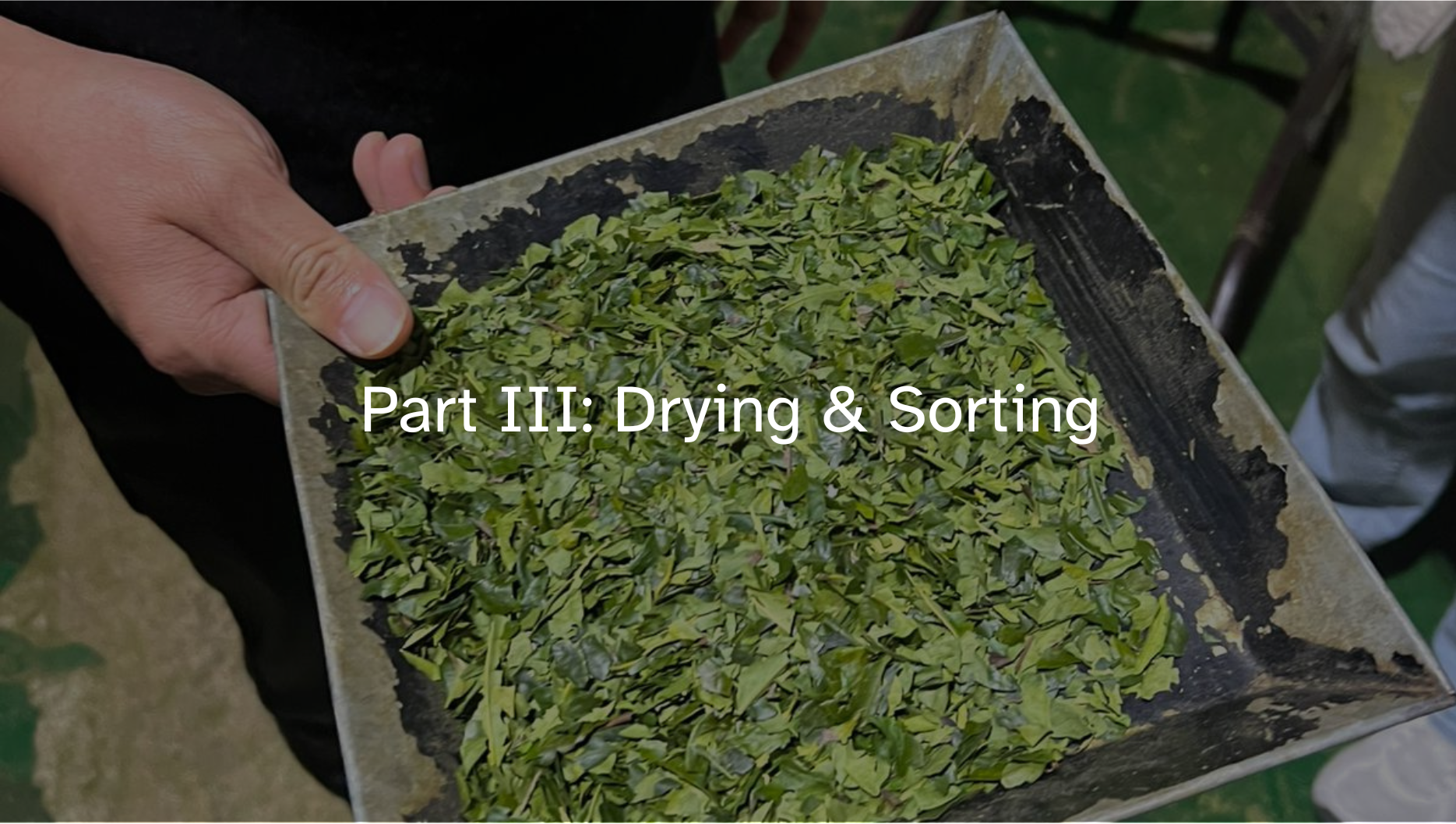
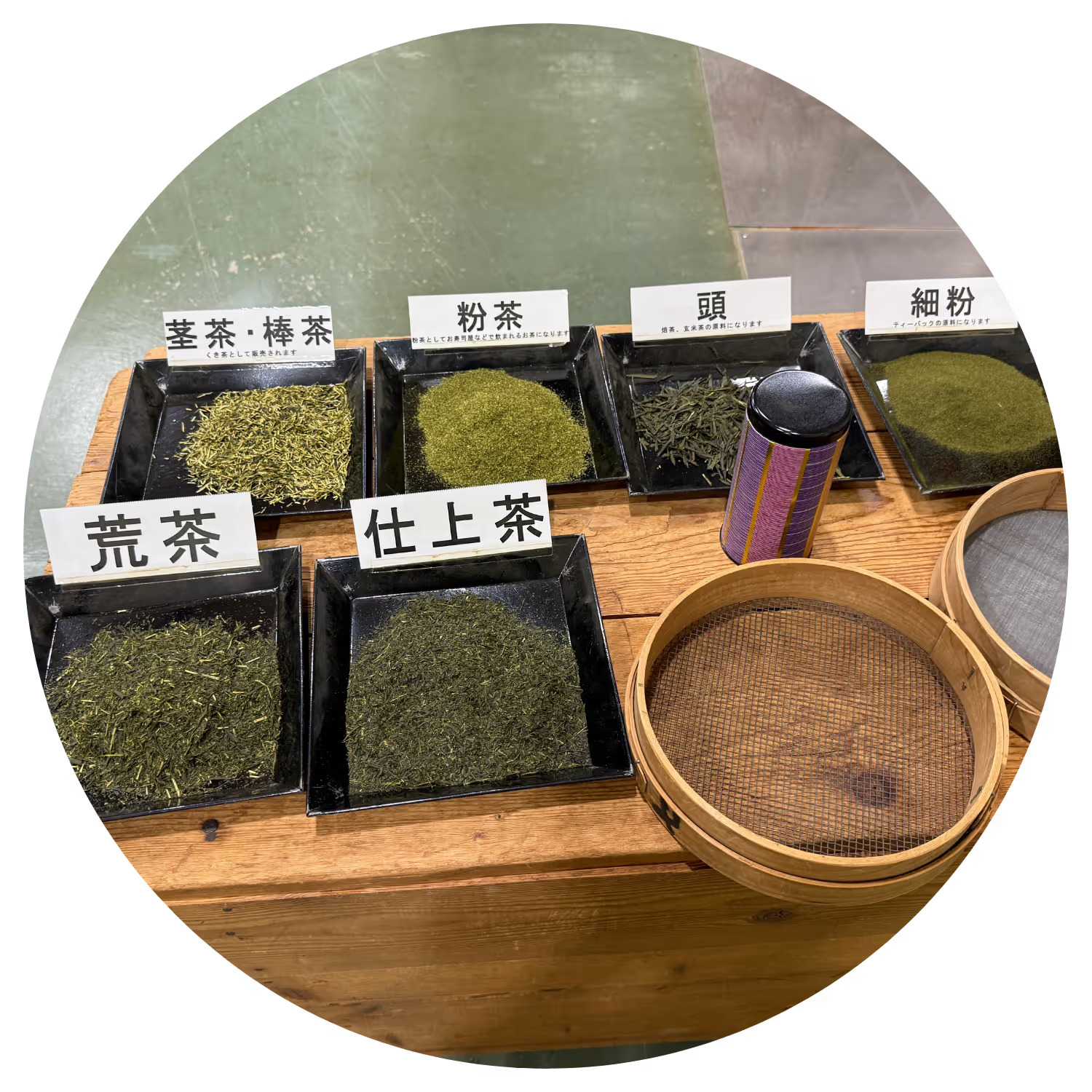
After steaming, the leaves are dried flat in large ovens. What results is called tencha which is the raw material for matcha.
Unlike other tea processing:
- Leaves are not rolled
- They remain flat and light
- Stems and veins are still intact
This flat drying method helps matcha achieve its smooth, soft texture once ground.
Removing Stems and Veins
The dried tencha is then sorted, and all stems and tough veins are removed. Only the soft leaf interiors remain, which ensures a fine, silky final powder.
Milling
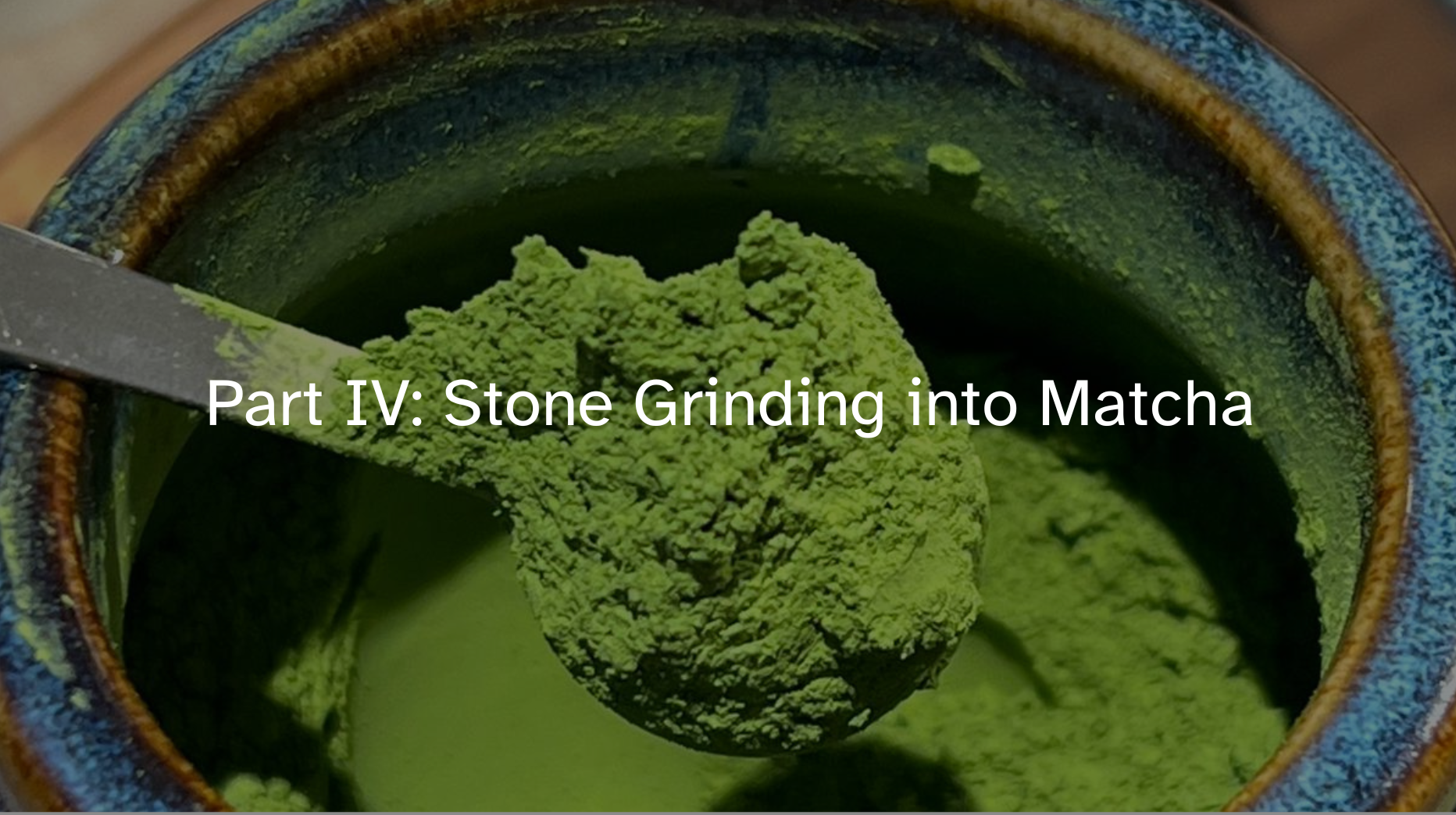
This is where tencha becomes matcha.
Traditionally, matcha is ground with granite stone mills that rotate extremely slowly, often producing only about 30–40 grams per hour. Going slow prevents heat buildup, which can damage flavor and nutrients. Innovative milling using a ball mill or jet mill may also be used for premium or culinary matcha. The result is the ultrafine powder that matcha is known for.
Grading the Matcha
Finally, matcha is evaluated by:
- Color (bright emerald for high grade)
- Texture (superfine, almost like smoke when sifted)
- Aroma (fresh, sweet, floral)
- Taste (smooth umami with little bitterness)
Ceremonial, premium, and culinary grades are then packaged and shipped around the world.
From Leaf to Cup: A Final Reflection
Matcha isn’t simply a tea, it’s the culmination of centuries of technique and craftsmanship. Every step, from shading the fields to stone-grinding the leaves, is designed to honor tradition and bring out matcha’s signature character.
The next time you whisk a bowl of matcha or sip a latte, you’re not just tasting a tea but you’re experiencing a refined art form and a product of years of skill, farming and patience.
We are available to give you the best advise on the best matcha for your company's industry
.avif)
.avif)
.avif)
.avif)




.png)
.avif)