




Barista 101: Top Tips for Matcha Preparation

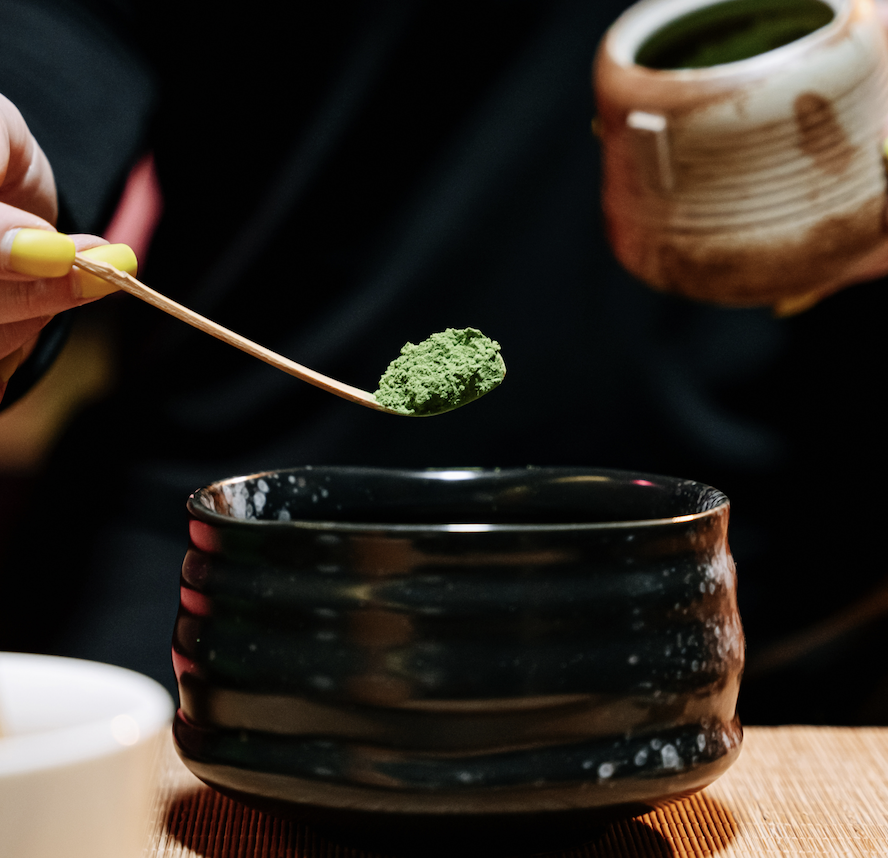
Barista 101: Top tips for matcha preparation
Matcha has become a café essential. From vibrant lattes to iced drinks and innovative creations. But preparing a consistently smooth, balanced cup requires more than simply mixing powder with milk. For cafés and baristas, mastering matcha preparation is key to delivering quality, improving workflow, and creating a great customer experience.
At Pure Matcha Partners, we work with cafés, restaurants, and beverage brands globally to help them serve high-quality matcha with confidence. Here are our top barista tips for achieving the perfect matcha every time.
1. Start with the Right Matcha Grade
Not all matcha is created equal. Choosing the correct grade is the first step of a great drink.
- Ceremonial Grade: Best for traditional preparation with water, offering a naturally sweet and umami-rich profile.
- Latte or Barista Grade: Designed to pair well with milk while maintaining a vibrant green colour and bold flavour.
- Culinary Grade: Ideal for baking, desserts, and recipes where matcha is combined with multiple ingredients.
For cafés and foodservice businesses, a dedicated barista-grade matcha often provides the best balance of flavour, colour, and cost-efficiency. Consult us directly to find out which one of our grades would suit your requirements the best.
2. Sift Before You Whisk
Not necessarily needed but it has a big impact on the final smoothness of the matcha,
Because matcha is an ultra-fine powder, it naturally forms small clumps from humidity and static. Sifting before preparation helps create a smoother texture and prevents lumps in the final drink.
Barista Tip:
Use a small fine-mesh sieve directly into your bowl or pitcher before adding water.
3. Water Temperature Matters
Boiling water can burn matcha, creating bitterness and dulling its flavour profile.
The ideal water temperature for matcha preparation is:
- 70–80°C (158–176°F)
- Slightly hotter for stronger latte applications if needed
Using the correct temperature preserves matcha’s natural sweetness, umami notes, and its vibrant colour.
4. Whisk Properly for a Smooth Finish
Traditional preparation uses a bamboo whisk (chasen), but many cafés also use electric whisks or steam wand techniques for speed and consistency.
The goal is always the same:
- Fully dissolve the powder
- Create a smooth texture
- Avoid sediment at the bottom of the cup
For hot matcha:
- Add sifted matcha to a bowl or pitcher
- Pour in a small amount of warm water
- Whisk vigorously in a zigzag “M” motion
- Top up with water or milk
For iced drinks:
- Create a concentrated matcha shot first before pouring over ice and milk.
5. Matcha-to-Milk Ratio
A common issue in cafés is overpowering the matcha with too much milk.
As a starting point:
- 1.5–2g matcha for a standard latte, 2-3g for a stronger latte.
- 150–200ml milk depending on cup size
This creates a balanced drink where the matcha flavour still shines through.
Different plant milks can also impact flavour:
- Oat milk enhances sweetness and creaminess
- Almond milk adds nuttiness
- Coconut milk creates a tropical profile
- Soy milk delivers a fuller body
6. Focus on Presentation
Customers drink with their eyes first, especially with matcha.
Bright green colour, smooth foam, and clean layering make a difference in perceived quality and social media appeal.
Simple presentation upgrades include:
- Latte art on matcha lattes
- Clear layering in iced drinks
- Glassware that showcases colour contrast
- A light matcha dusting on top or even adding a cold foam and/or toppings
Consistency in presentation also strengthens café branding.
7. Store Matcha Correctly
Matcha is sensitive to:
- Light
- Heat
- Air
- Moisture
Improper storage quickly impacts flavour and colour.
To maintain freshness:
- Keep matcha in airtight packaging
- Store in a cool, dry place
- Avoid direct sunlight
- Refrigerate unopened bulk packs when appropriate
Fresh matcha should appear vibrant green, not dull or yellowish.
For a full guide on matcha storage, you can refer to our article on How to Properly Store Bulk Matcha in a Café (Complete Guide for Freshness & Quality)
8. Train Your Team for Consistency
Even high quality matcha can produce inconsistent results without proper training.
Creating a simple café preparation guide helps ensure:
- Correct measurements
- Consistent whisking technique
- Proper water temperature
- Standardised recipes across shifts
Consistency is what turns first-time customers into regulars.
9. Experiment Beyond the Classic Latte
Matcha’s versatility makes it ideal for seasonal menus and signature drinks.
Popular café applications include:
- Strawberry matcha lattes
- Mango matcha latte
- Matcha tonics
- Coconut matcha coolers
- Coconut cloud matcha
- Ube vanilla matcha
- Matcha soft serve
- Matcha pastries and desserts
- Protein smoothies
- Functional wellness drinks
Creative matcha menus can help cafés stand out while increasing average order value.
Final Thoughts
Matcha preparation is both an art and a process. Small details, from sifting and water temperature to milk ratios and storage, can make a significant difference in the final cup.
For cafés, serving high-quality matcha consistently is an opportunity to elevate the customer experience and tap into growing consumer demand for premium tea-based beverages. As matcha continues to grow globally, baristas who understand the fundamentals will be best positioned to create drinks customers come back for again and again.
At Pure Matcha Partners, we help cafés and brands source premium matcha tailored for barista applications, lattes, and foodservice use with quality, consistency, and scalability in mind. Contact us directly for more information.
We are available to give you the best advise on the best matcha for your company's industry
.avif)
.avif)
.avif)
.avif)




.png)
.avif)