




The Future of Matcha in Global Food & Beverage

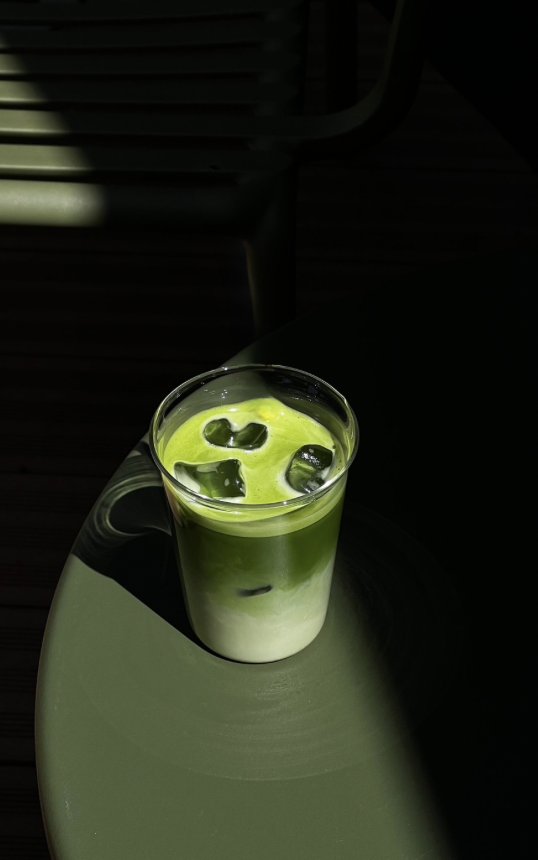
The Future of Matcha in Global Food & Beverage
A few years ago, matcha was still seen as a niche product outside Japan and mostly tied to traditional tea ceremonies or specialty cafés. Today, it’s everywhere.
From chain cafés and bottled drinks to desserts, bakery products, wellness supplements, and even cocktails, matcha has become one of the most adaptable ingredients in modern food and beverage.
But what’s interesting is that we’re now moving beyond the trend phase.
Matcha is no longer just a viral ingredient. It’s becoming part of the foundation of modern beverage and food development.
So where does it go from here?
Matcha Is Expanding Beyond Cafés
For a long time, the matcha latte dominated the category. And while it’s still a strong seller, brands are now finding ways to use matcha across entirely different formats.
We’re seeing growth in:
- RTD (ready-to-drink) beverages
- Functional wellness drinks
- Ice cream and soft serve
- Bakery and confectionery
- Protein and nutrition products
- Cocktail and mocktail menus
What makes matcha especially valuable is that it works as a flavor, superfood and as a visual ingredient. The color alone has become instantly recognizable to consumers.
Consumers Want More Than “Just Green”
The first wave of matcha popularity was driven heavily by aesthetics. Bright green drinks performed well on social media, and cafés quickly adopted them.
Now consumers are becoming more selective.
People are paying more attention to:
- Origin and quality
- Taste balance
- Sugar content
- Functional benefits
- Ingredient transparency
In other words, the market is maturing and becoming more educated.
That’s pushing brands to move beyond overly sweet “green tea drinks” and toward cleaner, more premium matcha concepts.
Matcha Is Becoming a Platform Ingredient
One of the biggest shifts happening right now is that matcha is no longer standing alone.
Brands are increasingly using it as a base ingredient that can be blended, layered, or paired with other flavors:
- Matcha + citrus
- Matcha + floral teas
- Matcha + fruit purées
- Matcha + protein formulations
This gives developers much more flexibility while keeping the familiarity of matcha at the center.
For consumers, it feels innovative without feeling unfamiliar.
The Wellness Category Will Keep Driving Growth
Matcha sits in a very strong position because it naturally connects to several long-term consumer trends:
- Energy without coffee
- Functional ingredients
- Mindful consumption
- Plant-based lifestyles
- Clean-label products
Even as wellness trends evolve, matcha continues to fit naturally into the conversation.
And unlike many superfood ingredients that come and go, matcha already has deep cultural roots and global recognition behind it.
That gives it staying power.
Operationally, Powdered Formats Make Sense
For cafés, manufacturers, and foodservice operators, matcha also solves practical problems.
Powdered formats offer:
- Consistency across locations
- Faster preparation
- Easier storage and shipping
- Better scalability for product development
This becomes especially important as businesses expand into multi-location operations or ready-to-drink production.
Consistency matters and powdered tea formats make that easier.
What the Next Phase Looks Like
The future of matcha probably won’t be defined by one single product.
Instead, we’ll see:
- More premiumization
- More blending with complementary ingredients
- More low-sugar and functional applications
- More use outside traditional café settings
- More regional adaptation in flavor profiles
In other words, matcha is becoming less of a trend and more of a category.
A Bigger Opportunity for Food & Beverage Brands
For B2B buyers and product developers, the opportunity is no longer just about adding a matcha latte to the menu.
It’s about understanding where matcha fits into the broader future of food and beverage innovation.
The brands that will stand out are the ones using matcha in ways that feel thoughtful and balanced, whilst also operationally scalable.
Because at this point, matcha isn’t emerging anymore.
It’s established and still evolving.
We are available to give you the best advise on the best matcha for your company's industry
.avif)
.avif)
.avif)
.avif)



.png)
.avif)