




How to Answer your Customers’ Frequently Asked Questions about Matcha

How to Answer Your Customers’ Frequently Asked Questions About Matcha
As a café, retail brand, or online store selling matcha, your customers might be curious and have questions about matcha. By equipping your staff or team with clear answers, you can build trust, enhance the customer experience, and showcase your expertise. Here’s a guide to the most common matcha questions, and how to answer them confidently.
1. What is matcha, anyway?
How to explain: Matcha is a finely ground powder made from specially grown and shaded green tea leaves. Unlike regular green tea, where leaves are steeped and removed, matcha is whisked into water or milk, so you consume the whole leaf. This gives it a rich flavor, vibrant color, and higher antioxidant content. It contains caffeine but also l-theanine, resulting in a steady flow of energy without a sudden crash.
Tip: Emphasize that matcha is both delicious and nutritious and perfect for customers interested in wellness or specialty beverages.
2. What’s the difference between ceremonial, premium and culinary matcha?
Answer:
- Ceremonial matcha: Bright green, delicate, naturally sweet, and ideal for traditional tea or straight-up whisked drinks.
- Premium matcha: Slightly duller green but therefore perfect to drink in lattes or mix with other ingredients.
- Culinary matcha: Stronger, slightly more bitter, designed for lattes, smoothies, desserts, and baking.
Tip for staff: Recommend ceremonial matcha for “straight-up tea” experiences and offer premium for milk-based drinks or culinary for baking recipes.
3. Why is my ceremonial matcha dull?
Answer: Dullness can come from water that’s too hot, or improper whisking. High-quality matcha should taste naturally sweet with umami notes.
Tip: Encourage customers to use water at 75–80°C for ceremonial matcha, and to whisk thoroughly for a frothy texture.
4. How do I store matcha at home?
Answer: Matcha is sensitive to heat, light, and air. Recommend:
- Storing in a sealed, opaque container.
- Keep it in the fridge for maximum freshness.
- Buy smaller quantities to ensure it’s consumed quickly.
Tip: Customers who store matcha properly will enjoy better taste, color, and aroma.
5. How much matcha should I use per serving?
- Ceremonial: 2-3 grams (about half a teaspoon) per serving.
- Ceremonial: 1-3 grams (about half a teaspoon) per serving.
- Culinary: 1–3 grams depending on recipe strength.
Tip: Providing a small scoop or spoon with branded packaging can improve consistency for home use.
6. Can I drink matcha every day?
Answer: Yes! Matcha contains caffeine, L-theanine (which promotes calm alertness), and antioxidants. Moderate daily consumption is safe for most people.
Tip: Suggest starting with one serving per day and adjusting according to individual tolerance.
7. What’s the difference between organic and non-organic matcha?
Answer: Organic matcha is grown without synthetic pesticides or fertilizers. Non-organic matcha may use conventional farming practices but can still be high quality.
Tip: Educate customers that color, flavor, and aroma indicate quality first and that organic certification is a bonus for those who care about sustainability.
8. Is matcha gluten-free, vegan, or allergy-friendly?
Answer: Pure matcha powder is naturally gluten-free, vegan, and free from common allergens.
Tip: Highlight this to customers who ask about dietary restrictions as it can be a big selling point for health-conscious consumers.
9. Can I cook or bake with matcha?
Answer: Absolutely! Culinary matcha works well in cakes, cookies, ice creams, smoothies, and even savory recipes.
Tip: Suggest starting with a small amount to prevent bitterness and retain that vibrant green color.
10. Why is matcha expensive?
Answer: High-quality matcha requires careful cultivation through shade-grown leaves, careful picking, and grinding. Ceremonial-grade matcha is labor-intensive and highly valued.
Tip: Explain that quality matcha is an experience, not just a powder and explain the health benefits.
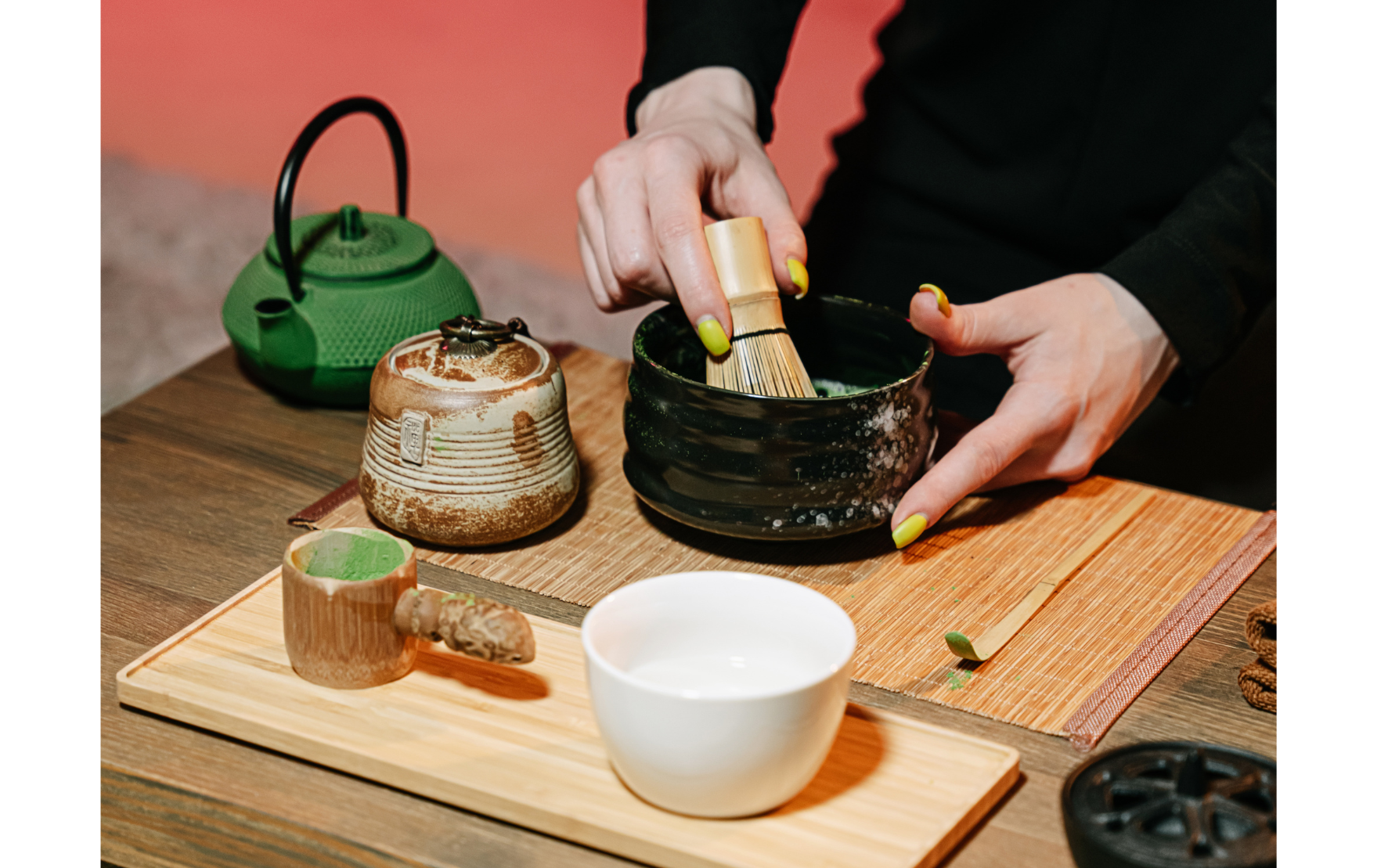
11. How do I make matcha?
Answer:
- Use water that’s slightly cooler than boiling (75–80°C).
- Whisk vigorously in a ‘z’ or ‘m’ motion to create froth.
- Add milk, plant milk, or a small sweetener for lattes.
Tip: Offering recipes or demo videos can help your customers recreate café-quality drinks at home.
12. Why does a region matter for matcha?
Answer: Just like wine and apples, the growing region including climate and plant variety can affect the taste. This is usually distinguished by mentioning the cultivar and region of the matcha grade.
Tip: Allow your clients to taste different grades from various regions, for example by offering a set or in-person tasting experience, this will allow them to taste the difference first-hand.
Final Thoughts
Your customers come to you for expertise, not just a product. By training staff or providing clear guides, FAQs, and preparation tips, you empower your clients to answer questions confidently, build trust, and increase satisfaction.
For cafés, retailers, or online stores, knowledge about matcha gives a competitive advantage and generates trust. When your clients feel informed, they’ll serve not just a drink, but a premium matcha experience that they will take home and can explain to others as well.
We are available to give you the best advise on the best matcha for your company's industry
.avif)
.avif)
.avif)
.avif)



.png)
.avif)