




The Difference Between Japanese and Chinese Matcha

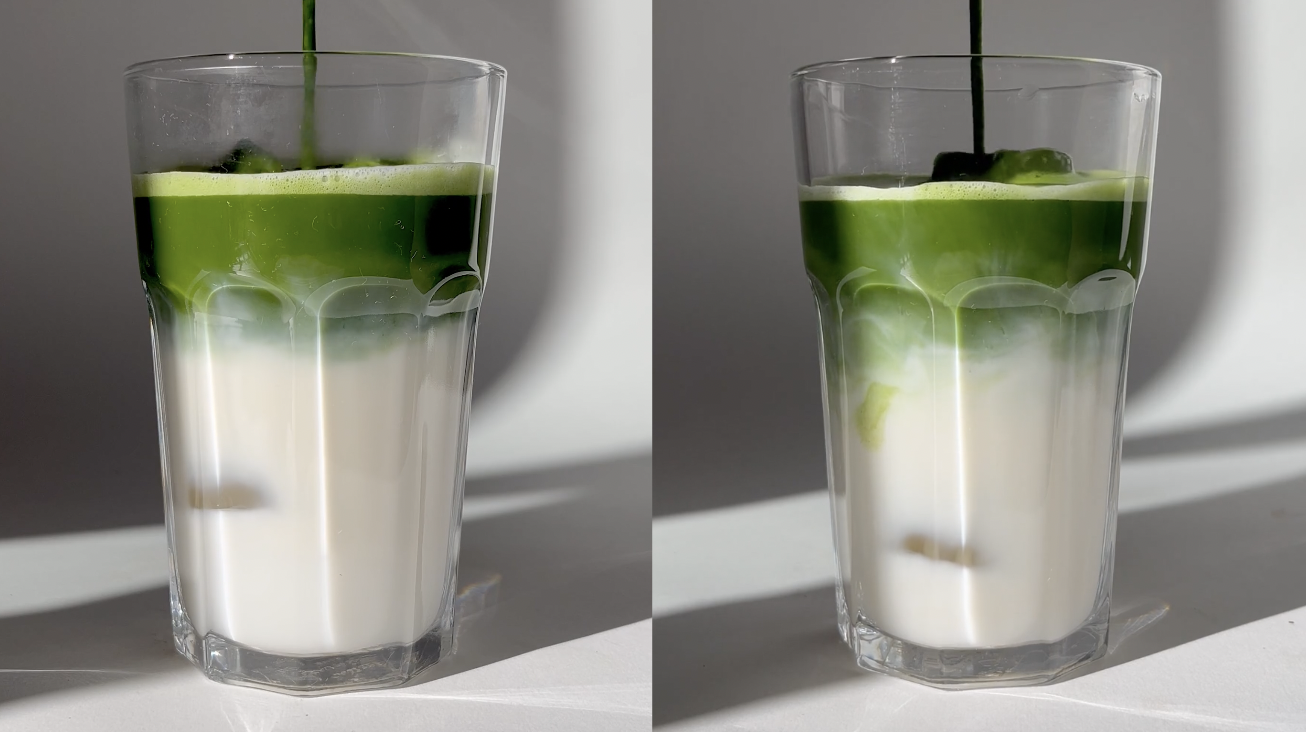
Chinese vs Japanese Matcha: How Origin, Culture, and Craft Shape the Tea
Understanding How Matcha Is Grown, Refined, and Produced Today
Matcha is made from the Camellia sinensis plant, commonly known as the tea plant. Interestingly, sinensis translates to “of Chinese origin,” a reminder that the roots of tea began in China.
Long before matcha became synonymous with Japan, powdered tea was already consumed in China during the Tang and Song dynasties. Centuries later, Buddhist monks brought tea seeds and tea-making practices to Japan. There, these methods were refined and preserved, eventually evolving into matcha as we know it today.
While Japan became the cultural and technical heartland of matcha, modern production has expanded beyond its borders. Today, matcha is produced both in Japan and China who often use shared techniques, but shaped by differences in geography, farming conditions, and production philosophy.
Understanding these differences helps explain why both origins play an important role in the global matcha landscape.
A Shared Plant, Different Growing Environments
Japanese and Chinese matcha are made from the same species of tea plant, but the growing environment has a significant influence on how the tea develops.
Matcha Grown in Japan
Japan’s matcha-growing regions such as Uji, Shizuoka, and Kagoshima are known for:
- Humid climates
- Mineral-rich soils
- Long-established shade-growing traditions
- Cultivars selected specifically for matcha production
These conditions support the development of matcha with:
- High chlorophyll content
- Elevated amino acids
- A strong umami-forward flavor profile
Matcha Grown in China
China offers:
- Vast tea-growing regions
- Diverse microclimates
- Long agricultural history with tea cultivation
- Greater availability of land for controlled expansion
In recent years, select regions in China have proven highly suitable for producing shade-grown tea intended specifically for matcha, particularly when cultivation methods mirror Japanese practices.
Culture and Technique: Where Matcha Is Truly Defined
What ultimately distinguishes matcha is not only where it is grown, but how it is produced.
The Japanese Matcha Tradition
In Japan, matcha production is deeply rooted in tradition:
- Extended shading before harvest
- Careful selection of leaves
- Processing into tencha (removal of stems and veins)
- Slow stone-milling to preserve aroma, color, and texture
This approach emphasizes balance, precision, and sensory harmony.
Japanese Expertise Beyond Japan
As global demand for matcha has increased, Japanese tea producers and masters have begun establishing or partnering with farms outside Japan (particularly in China) where suitable land and growing conditions exist.
These farms are often:
- Owned or managed by Japanese tea professionals
- Using Japanese cultivars
- Following traditional shading, harvesting, and milling techniques
- Focused on producing ceremonial-grade matcha rather than commodity tea
The result is matcha that reflects Japanese craftsmanship, while benefiting from China’s agricultural scale and diverse terroir.
Flavor and Appearance: What to Expect
Rather than thinking in terms of country alone, it is more helpful to think in terms of production intent.
Japanese Matcha (Japan-grown)
- Vibrant green color
- Pronounced umami
- Natural sweetness
- Smooth, creamy texture
Ceremonial Matcha from Japanese-Owned Farms in China
- Equally bright green
- Clean, balanced umami
- Soft bitterness, if any
- Excellent performance for straight drinking
When produced with the same care and philosophy, high-quality matcha from China can closely align with the sensory expectations traditionally associated with Japanese ceremonial matcha.
Why Matcha Production Is Expanding Beyond Japan
Matcha’s popularity has grown rapidly worldwide, from traditional tea preparation to cafés, foodservice, and wellness applications. While Japan remains the spiritual home of matcha, its agricultural output is naturally limited.
Expanding production thoughtfully (under Japanese guidance and standards) allows:
- Greater consistency of supply
- Continued focus on quality
- Preservation of traditional techniques
- Accessibility for a growing global audience
This evolution reflects not a departure from tradition, but an adaptation to modern demand.
Matcha as a Collaboration, Not a Competition
Rather than framing Japanese and Chinese matcha as opposing categories, it is more accurate to see modern matcha as a collaborative craft.
- Japan contributes centuries of knowledge, technique, and cultural refinement
- China contributes suitable land, agricultural capacity, and growing expertise
- Together, they make it possible to produce exceptional matcha for today’s market
For brands, buyers, and tea professionals, this collaboration offers more choice without compromising quality.
A Modern Perspective on Matcha Origin
Matcha’s identity is shaped by:
- Cultivation method
- Processing technique
- Cultural intention
- The people behind the tea
While origin will always matter, it is the combination of environment and expertise that ultimately defines quality.
By working closely with farms guided by Japanese tea masters, both in Japan and in China, it is possible to offer matcha that respects tradition while meeting modern needs.
Seeing Ceremonial Matcha Side by Side
To bring these differences into a practical context, the accompanying video below shows our Ceremonial Conventional matcha from Shizuoka, Japan, alongside our Eastern China Ceremonial matcha.
Viewed side by side, both matchas display the visual qualities associated with high-grade ceremonial matcha:
- A vibrant, bright green color
- A fine, uniform powder
- A fresh, lively appearance when whisked
While each reflects its own growing environment and cultivar selection, both are produced using traditional shade-growing methods and careful processing into tencha, followed by slow milling to preserve color and quality.
Presenting these two ceremonial-grade matchas together highlights an important point: when Japanese matcha-making techniques and quality standards are applied consistently, whether in Shizuoka or at Japanese-led farms in Eastern China, exceptional ceremonial matcha can be produced in both locations.
This side-by-side comparison reflects our approach to sourcing: focusing not only on origin, but on craftsmanship, cultivation methods, and the people behind the tea.
Interested in learning more and requesting a sample? Let’s talk! Contact us here
We are available to give you the best advise on the best matcha for your company's industry
.avif)
.avif)
.avif)
.avif)



.png)
.avif)