




Does Matcha Cause Iron Deficiency?

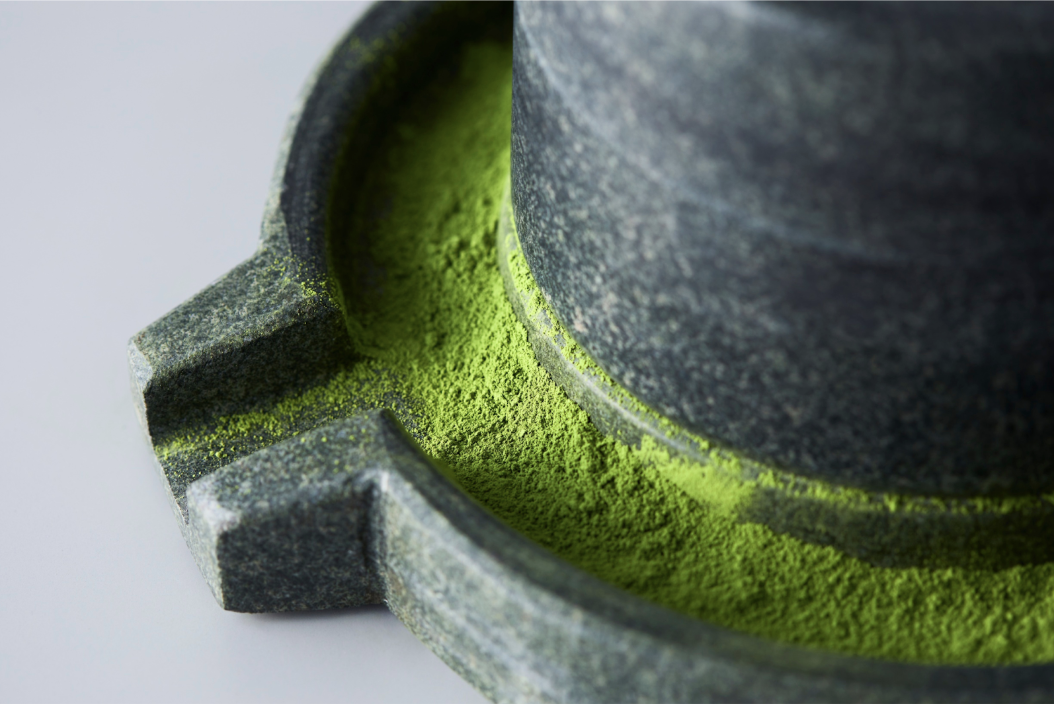
Matcha is rich in flavour, color, and renowned for numerous health benefits.
From antioxidant power to gentle caffeine stimulation, it offers a unique boost compared to traditional coffee or black tea. However, there has been a rising concern regarding matcha causing iron deficiency, and it’s worth understanding how matcha can influence iron absorption.
Matcha and Iron Absorption
The primary concern lies in tannins, a type of polyphenol present in matcha. Tannins can bind to non-heme iron (the form of iron found in plant-based foods) and inhibit its absorption in the gut. Research has demonstrated that drinking tea with meals can reduce non-heme iron absorption by up to 60% (Hurrell et al., 1999). Similar effects have been observed with black tea, coffee, cocoa, and even some herbal teas (Bjørn‑Rasmussen et al., 1983). It’s important to emphasize that this effect is largely timing- and context-dependent. For most healthy individuals consuming a varied diet, the impact of matcha on iron status is minimal.
Who Should Be Cautious
The following groups should be more mindful of matcha timing:
- Individuals relying primarily on plant-based iron sources
- Those with low iron stores or diagnosed anemia
- Pregnant or menstruating individuals, due to increased iron requirements
For these groups, strategies to minimize interference with iron absorption can be helpful.
Practical Tips for Enjoying Matcha Without Compromising Iron
1. Timing Matters
- Avoid drinking matcha alongside iron-rich meals.
- Wait 1–2 hours after eating before enjoying your tea.
2 Pair Iron with Vitamin C
- Vitamin C significantly enhances non-heme iron absorption.
- Pairing iron-rich foods with fruits like citrus, strawberries, or bell peppers can offset tannin effects.
3. Moderation is Key
- Consuming 1–2 servings of matcha daily is generally safe for most people.
4. Consider Alternative Matcha Types
- Roasted matcha (hojicha) or mulberry matcha contain fewer catechins, allowing better iron absorption while still offering flavor and antioxidants.
Matcha’s Benefits for Iron Health
While tannins can inhibit iron absorption, matcha also provides indirect support for healthy iron metabolism:
- Vitamin C Content: Ceremonial matcha contains small amounts of vitamin C, which can boost iron absorption when paired with fruit.
- Anti-inflammatory Effects: The catechin EGCG in matcha has anti-inflammatory properties, supporting overall iron regulation.
- Gentler on the Stomach: Compared to coffee, matcha is less acidic and easier on the digestive system, which can benefit individuals with low stomach acid; a condition that can otherwise reduce iron absorption.
The Bottom Line
Matcha may modestly reduce iron absorption, but this is primarily a concern if consumed with meals or in excess. By practicing timing strategies, pairing with vitamin C, and moderating intake, most individuals can enjoy matcha without compromising their iron status.
Ultimately, matcha is a nutrient-rich beverage that can coexist with a balanced, iron-conscious diet.
References
- Bjørn‑Rasmussen, E., Jarnum, S., & Henriksen, F. (1983). Effect of tea and coffee on iron absorption in humans. American Journal of Clinical Nutrition, 38(3), 478–482.
- Hurrell, R., Reddy, M., Burri, J., & Cook, J. (1999). Inhibition of non-heme iron absorption in humans by polyphenolic-containing beverages. British Journal of Nutrition, 81(4), 289–295.
We are available to give you the best advise on the best matcha for your company's industry
.avif)
.avif)
.avif)
.avif)




.png)
.avif)