




Matcha Powder for Lattes: The Complete Barista Guide

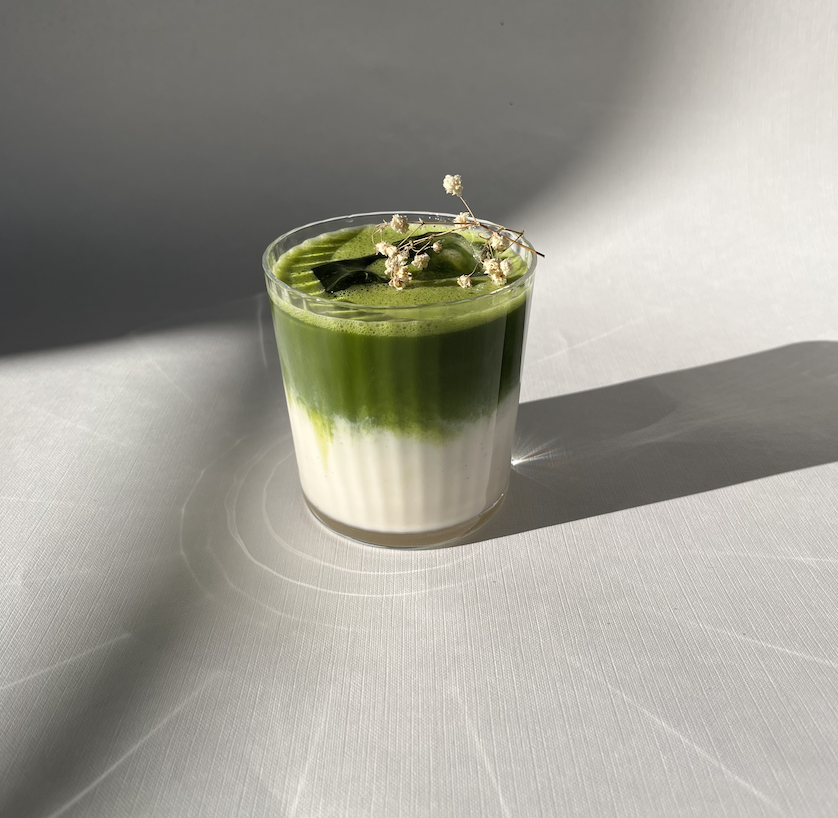
What Makes Matcha Powder Different from Regular Tea?
Walk into any specialty café today and you'll find matcha on the menu. But not all matcha powder is created equal — and if you're behind the bar, that difference shows up immediately in the cup. Unlike loose-leaf green tea, matcha is made from shade-grown tea leaves that are stone-ground into a fine, vibrant powder. When you add liquid, you're consuming the whole leaf, not just an infusion. That's why it has such a distinct flavor profile: grassy, umami-forward, slightly sweet when high quality, and slightly bitter when it isn't.
For baristas, understanding the fundamentals of matcha powder sets you apart. You're not just scooping green powder into a cup — you're working with a product that has centuries of Japanese craftsmanship behind it, and one that customers increasingly know a lot about. Getting it right earns you repeat business. Getting it wrong loses you those customers to the café down the street.
The Two Types of Matcha You'll Actually Use Behind the Bar
There's an important distinction every barista needs to understand: ceremonial grade and latte grade matcha are different products designed for different applications.
Ceremonial matcha is the top tier. It's made from the youngest, most tender leaves of the first harvest — called ichibancha — and ground to an ultra-fine, silk-like powder. The color is a vivid, electric green. The flavor is naturally sweet, mellow, and complex. Traditionally, ceremonial matcha is whisked with hot water alone, no milk, no sweetener. It's meant to be tasted as it is. Some cafés serve it as a traditional bowl or as a premium straight matcha shot, and it works beautifully in that context.
Latte grade matcha is what most baristas will reach for every day. It's specifically designed to hold its flavor and color when mixed with milk. The flavor profile is bolder and slightly more robust, which means it doesn't get lost under oat milk or steamed whole milk. It's harvested from slightly more mature leaves, usually from later flushes, giving it more structure and a stronger, more assertive green tea character. And because it's used in larger quantities per drink, the price point is significantly more accessible for high-volume café use.
Using ceremonial matcha in a latte isn't necessarily wrong, but it's an expensive choice where the nuances of that premium product get masked by milk. Using culinary or food-grade matcha in drinks often produces a dull, khaki-green color and a flat or bitter taste. Latte grade hits the sweet spot.
How to Whisk Matcha Like a Professional
The technique matters as much as the product. Here's the standard process used by professional baristas:
Start with 2–3 grams of latte grade matcha powder per serving. Sift the powder into your bowl or pitcher using a small fine-mesh sieve — this breaks up clumps and ensures a smoother suspension. Add a small amount of hot water, around 60–70°C. Boiling water scorches the chlorophyll and makes matcha taste bitter and flat. You want it hot enough to hydrate the powder fully, not so hot it damages the flavor.
Whisk vigorously using a bamboo chasen or a small electric frother. The goal is a smooth, lump-free paste first, then a thin, even liquid. You should see a fine foam on top with no visible powder clumps. Then add your steamed milk — oat, almond, whole, or whatever your customer prefers.
The paste method works well for high-volume service. Pre-mix a small batch of matcha paste at the start of service and keep it at room temperature. When an order comes in, portion your paste into the cup and top with steamed milk. This is faster and more consistent than whisking to order every time.
Common Matcha Latte Mistakes (And How to Fix Them)
Clumping is the number one complaint. It happens when you add cold or room-temperature liquid directly to dry powder, or when you skip the sifting step. Always sift and always start with a small amount of hot water to form a paste before adding the rest of your liquid.
Bitter taste usually means the water was too hot. Drop your water temperature to 65°C and taste again. If bitterness persists, check the quality of your matcha — older or lower-grade powder can be inherently bitter regardless of water temperature.
Color that looks army green or brownish rather than vibrant green is a sign of oxidized or low-grade matcha. Good latte grade matcha should be a rich, medium-to-bright green. Store your matcha in an airtight container, away from light and heat, and use it within six to eight weeks of opening.
Weak flavor in a milk-based drink often means you're under-dosing. Milk dilutes and coats the palate, so you generally need more matcha per cup than you might expect. Start at 2.5 grams and taste up from there.
Dosing Guide for Café Use
Consistency is everything in a professional café environment. Here's a simple dosing framework:
A standard matcha latte (12 oz) works well with 2–3 grams of latte grade matcha. An iced matcha latte benefits from slightly more — 3–4 grams — because ice dilutes the drink. A matcha shot typically uses 4–5 grams. Specialty drinks like matcha dirty lattes or matcha smoothies can use 2–3 grams since other strong flavors are present.
Train your team to use a calibrated scoop or digital scale rather than eyeballing. Inconsistency in matcha dosing is one of the fastest ways to generate customer complaints about a drink tasting different on different days.
Choosing the Right Matcha Supplier for Your Café
Once you've dialed in your technique, the supplier relationship becomes your most important variable. You want a supplier who can guarantee consistent flavor profile and color across every batch, offer food-safe sourcing with traceability to origin, provide reliable stock for your volume needs, and give you flexible ordering options as your business grows.
For matcha for cafés specifically, working with a B2B-focused supplier rather than a retail brand makes a significant difference. Wholesale suppliers understand your operational needs — bulk packaging, consistent spec sheets, and responsive service when you're about to run out mid-week.
Pure Matcha Partners sources directly from Japan, with full traceability from farm to bag. The latte grade and ceremonial ranges are clearly differentiated, consistently spec'd, and available at wholesale volumes that work for independent cafés and multi-location groups alike.
Start with a Sample Before You Commit
The best way to find your café's signature matcha is to taste it. Different latte grade matchas have meaningfully different flavor profiles — some more grassy, some more umami, some with a mild sweetness. There's no substitute for putting the powder in a cup and drinking it.
Request a free sample from Pure Matcha Partners and taste the difference for yourself. We ship samples to cafés and hospitality businesses across Europe with no obligation. Get your team involved, run a tasting, and choose the matcha your customers will keep coming back for.
We are available to give you the best advise on the best matcha for your company's industry
.avif)
.avif)
.avif)
.avif)



.png)
.avif)