




Matcha Grades Explained: Ceremonial, Latte & Culinary

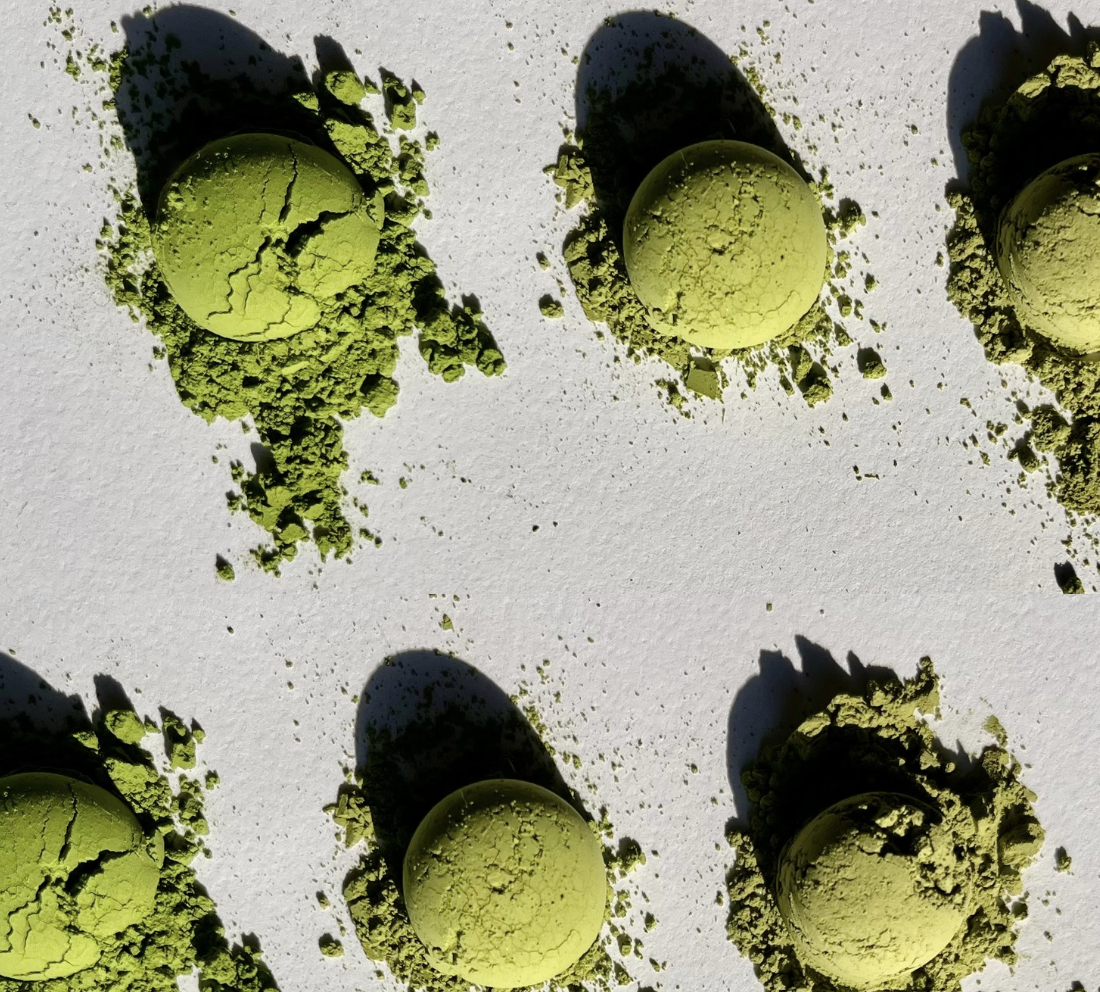
Why Matcha Grading Exists (And Why It's Often Misunderstood)
If you've spent any time sourcing matcha for commercial use, you've encountered the grading terminology: ceremonial, latte grade, culinary. These terms appear on every supplier's website and yet there's no universally regulated definition for any of them. Unlike olive oil, where "extra virgin" has a legal definition with specific chemical standards, matcha grades are largely marketing categories that vary between suppliers.
That doesn't mean the grades are meaningless, actually far from it. It means you need to understand what's actually behind the labels, and what questions to ask when evaluating suppliers. This guide gives you the practical, no-nonsense version: what each grade means, what drives the quality differences, and which grade is right for which application in your business.
What Actually Determines Matcha Quality?
Before diving into the grades, it helps to understand the factors that genuinely drive quality in matcha production. These are the variables that separate excellent matcha from mediocre matcha, regardless of what the label says.
Shading duration is one of the most significant. High-quality matcha comes from tea plants that are covered for 20 to 30 days before harvest. This shading process drives the production of chlorophyll (creating the vivid green color) and l-theanine (an amino acid that contributes to the umami flavor and smooth, calming effect of matcha). Less shading means less l-theanine, less chlorophyll, and a lower-quality product.
Harvest timing matters. The first harvest of the year (ichibancha, typically in late April to early May) produces the youngest, most tender leaves, which is the basis for ceremonial grade matcha. Later harvests yield leaves with higher tannin content and less l-theanine. Stem and vein removal, known as tencha processing, is another quality differentiator. For the finest grades, the dried leaves are destemmed and deveined before grinding.
Ceremonial Grade: The Apex of Matcha Quality
Ceremonial matcha sits at the top of the quality hierarchy. It's made from first-harvest, shade-grown tea leaves that are destemmed, deveined, and ground extremely fine on slow-turning granite stone mills. The particle size is typically under 10 microns, giving it a texture that's almost silky. The color is a vivid, bright green. The flavor is complex: naturally sweet, distinctly umami, with a smooth finish and none of the harsh bitterness you find in lower grades.
Traditional Japanese tea ceremony uses this grade exclusively, which is the origin of the name. The preparation is simple: a few grams whisked with hot water, nothing added. The quality speaks for itself.
In commercial settings, ceremonial grade works for premium straight matcha service, high-end matcha shots, and positioning a café as a destination for serious tea drinkers. It's also the right choice for food brands that want to use matcha as a premium ingredient in products where the marketing story matters as much as the function.
Latte Grade: Purpose-Built for Milk-Based Drinks
Latte grade matcha is where the majority of commercial café usage lives, and for good reason. This grade is specifically developed and sourced to perform in milk-based applications. The leaves are typically from slightly later in the harvest season than ceremonial grade, selected for their bold, assertive flavor in milk. The color is a rich, consistent green. It is not quite as electric as ceremonial, but vivid enough to produce a beautiful, appetizing drink.
The flavor profile of good latte grade matcha is intentionally more robust than ceremonial. It needs to cut through the fat and protein in milk without disappearing. The economics of latte grade are also well-suited to commercial use. You'll use 2–4 grams per drink, potentially dozens of times a day. The price per gram of latte grade is considerably more accessible than ceremonial, making it the practical choice for volume service without compromising drink quality.
Culinary Grade: Made for the Kitchen, Not the Cup
Culinary matcha is made for food manufacturing and baking applications. The leaves are from later harvests, the tannin levels are higher, and the flavor is stronger and sometimes more bitter. The color tends toward a more muted or yellow-green tone. It's typically ground to a coarser particle size than drink-grade matcha.
In baking, all of these "lower quality" characteristics are either neutralized or turned into advantages. Sugar balances the bitterness. Fat carries and amplifies the flavor. The coarser grind holds up well in bread and cake applications. Culinary grade is the right choice for matcha cookies, cakes, chocolates, ice cream, protein bars, granolas, pasta, and any recipe where matcha is an ingredient in a complex formulation.
How to Choose the Right Grade for Your Business
The honest answer is: it depends on what you're making. A simple framework:
If you're running a café and your primary matcha application is lattes, start with latte grade. If you want to offer a premium alternative or a traditional matcha bowl, add ceremonial grade. If you're doing any baking in your café, like matcha croissants, matcha cookies or matcha soft-serve then culinary grade is ideal for those applications.
If you're a food manufacturer using matcha as a functional ingredient in a formulation, culinary grade is almost always the right choice. If you're creating a premium health product where the matcha is front and center, a higher-grade latte or ceremonial matcha may be worth the cost for the marketing story it enables.
For bulk matcha wholesale at commercial volumes, the grade selection should be driven by application, not just price. Choosing the wrong grade costs you more in customer experience and product quality than any price saving justifies.
Practical Tips for Each Grade in Operation
Ceremonial grade: store in a cool, dark place in airtight packaging. Use within four to six weeks of opening for peak flavor. Portion into small working quantities and keep bulk stock sealed. Serve at water temperatures no higher than 70°C.
Latte grade: your everyday workhorse. Batch paste preparation works well for busy service periods. Use within six to eight weeks of opening. Test color and flavor regularly to catch any degradation from improper storage.
Culinary grade: the most forgiving of the three in terms of storage and handling. Still benefits from sealed, cool storage. For large-batch baking, weigh carefully — the stronger flavor means it's easy to over-dose and end up with an unpleasantly bitter product.
Sample All Three Grades and Decide for Yourself
Reading about matcha grades is useful. Tasting them is essential. The differences between grades are tangible and immediate — you'll notice the color, the aroma, and the flavor difference from the first comparison.
Request a sample of every grade from Pure Matcha Partners and run your own side-by-side evaluation. We supply businesses across Europe with consistently sourced, clearly graded matcha with full traceability to Japanese origin. Find the grade (or grades) that work for your menu and your production, and build a reliable supply relationship from there.
We are available to give you the best advise on the best matcha for your company's industry
.avif)
.avif)
.avif)
.avif)




.png)
.avif)